




In 2026, a small business newsletter remains an effective and flexible way to connect with an audience. Even when digital channels continue to expand, email remains a steady, high-performing medium that businesses can refine and grow to achieve long-term value.
Why a Newsletter Is a Valuable Business Asset
A newsletter can be an excellent space for announcements and promotional material, but it can also do so much more. When approached strategically, it can be a significant contributor to business growth.
Building Direct Relationships
Unlike social media, email is free from the influence of algorithm shifts or platform policy changes. A subscriber list provides a direct, permission-based connection to an audience. For small businesses, this level of access reduces their dependence on third-party platforms and protects long-term marketing efforts.
Industry data consistently shows email’s performance, especially in terms of reach and engagement stability. In a 2023 survey, over half of marketing professionals saw a 100% improvement rate in the ROI of their email marketing campaigns.
Driving Conversions
Email remains one of the highest-performing digital channels for conversions. Targeted newsletters allow businesses to nurture leads over time and guide readers through the sales funnel. This strategy is especially effective for small businesses selling services or digital products where audience education and trust matter.
Establishing Authority
Consistency builds credibility. A newsletter that regularly delivers useful insights, commentary, or resources positions a brand as an authoritative voice in its space. This credibility eventually compounds, and subscribers start to associate the brand with expertise and specialized knowledge.
Step 1: Defining the Newsletter’s Foundation

Before choosing tools or drafting content, businesses first need a strategy and goals.
Setting Clear Goals
Every newsletter should have a primary objective. Common goals include increasing website engagement, introducing products or services, supporting sales strategies, or establishing a dedicated community. This goal shapes the newsletter’s structure, tone, design, and calls to action, ensuring all elements work together cohesively.
Solidifying the Brand Identity
A newsletter reflects the brand as a whole. Its voice, tone, visual elements, and messaging should feel consistent with the rest of the company’s presence across digital channels.
Defining visual identity and core messaging before launch makes content creation smoother and more effective. Research shows that 55% of first impressions come from what people see, making this step crucial when developing a newsletter.
Identifying the Target Audience
Successful and engaging newsletters are written with a clear reader in mind. Aside from understanding demographics, email marketers need to learn their audience’s motivations, interests, challenges, and goals.
This deep audience knowledge allows marketers to create relevant content that resonates with readers and encourages them to stay engaged and look forward to future emails.
Step 2: Selecting a Newsletter Platform
Choosing the right platform is a critical early decision for any small business newsletter, as it affects how easily they can design issues, manage subscriber lists, automate workflows, and measure performance.
The best newsletter platforms for small business operations offer:
- Ease of use: Intuitive design tools, templates, and clean interfaces that minimize setup time
- Reliable deliverability: Reliable, secure operations and consistent inbox delivery so content reaches subscribers
- Segmentation and personalization: Tools to send the right content to the appropriate audience segments
- Automation capabilities: Welcome sequences, behavioral triggers, scheduled sends, and other workflows that save time and effort
- Analytics and reporting: Meaningful and detailed metrics that help improve strategies and engagement over time
- Scalability: Plans that grow with subscriber lists and communication needs
Step 3: Building and Growing the Email List
A successful newsletter starts with an intentional approach to list growth. Marketers should aim to attract subscribers who genuinely want the content being offered and are likely to stay engaged in the long term. A focused and relevant list consistently delivers stronger results than rapid yet unfocused growth.
Creating High-Value Incentives
One of the most effective ways to encourage sign-ups is by offering a clear and valuable incentive. Often referred to as a lead magnet, this resource gives potential subscribers an immediate reason to join the list.
High-performing incentives usually match the newsletter’s ongoing focus. For business owners and marketers, these lead magnets might include a practical checklist, a short guide, a downloadable template, or exclusive research.
Optimizing Business Website for Sign-ups
The website is often the primary touch point for new subscribers, making it essential for marketers to prioritize the thoughtful placement of sign-up opportunities. Well-positioned forms naturally fit into the user experience, making it easier for site visitors to make that decision.
Common effective placements include the site footer or slide-ins on high-intent pages. Clear website copy that explains what the newsletter is about and how often it sends out helps visitors confidently opt in.
Promoting the Newsletter
Consistent promotion across existing channels can attract more sign-ups. Social media profiles, video descriptions, webinars, and email signatures, for example, provide natural opportunities to highlight the newsletter.
The most effective promotions focus on the benefits. Framing the newsletter as a curated, valuable resource encourages the right subscribers to join.
Step 4: Create Compelling Content
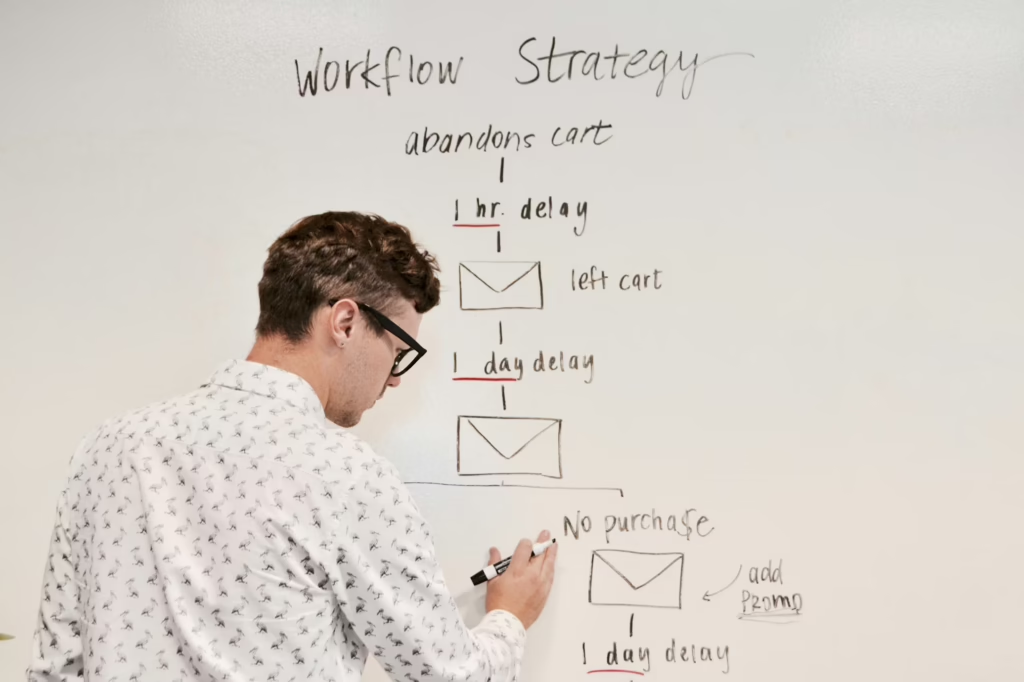
While brands can experiment with creative concepts, most effective newsletters rely on structure and consistency.
Developing Content Pillars
Content pillars provide structure and direction. They define the core themes that appear consistently in the newsletter, making planning easier and keeping messaging aligned with overall business goals.
Around three to four pillars are enough. These themes could include educational insights, industry trends, practical advice, or case studies. These recurring themes help reinforce expertise while giving readers a familiar rhythm.
Using Newsletter Content Ideas
Once teams have defined their pillars, it becomes easier to conceptualize individual issues or emails. Effective newsletters often mix formats while still following core themes. Depending on the business’s sector, they could explore:
- Opinion pieces on current trends
- Customer success highlights
- Product or service recommendations
Marketers should also pay attention to layout and design. Well-structured sections and scannable formatting improve readability and reinforce brand identity.
Step 5: Measure, Analyze, and Optimize
Once a newsletter is live, performance data becomes a powerful tool for growth. Measuring results helps businesses understand what resonates with readers and how the newsletter is supporting broader marketing efforts.
Key Metrics To Track
Tracking the right metrics provides clear insight into the newsletter’s performance and where there may be opportunities for improvement. For example, open rates reflect how well subject lines and timing connect with subscribers, while click-through rates show how engaging and relevant the content is.
A/B Testing for Improvement
A/B testing allows businesses to learn what works best by comparing two versions of the same element. Teams could start by testing subject lines or calls to action. Focusing on one variable at a time makes it easier to interpret and apply the results. These incremental improvements add up over time, helping the newsletter continuously improve.
From Inbox to Impact
In 2026, a small business newsletter is one of the most reliable and adaptable tools for audience engagement and growth. With clear goals and a detailed strategy, it can become a lasting business asset for stronger customer relationships and sustained engagement.


Leave a Comment