


In This Article
AI design tools generate layouts, suggest interfaces and accelerate production that once required entire teams. Designers can now explore more possibilities and bring ideas to life faster than ever before. Despite these advances, design continues to rely on human capabilities that bring depth and meaning to the final experience.
1. Empathy and Human-Centered Design Insights
Research from 2026 shows that 91% of designers use AI tools at least weekly, up from 54% the year before. While professionals adopt AI as standard practice for routine execution and automation, it cannot replace human interpretation when reading user emotion, intent and lived context.
Understanding user behavior involves recognizing both emotional context and functional needs. Designers often interpret subtle cues by observing users, paying attention to motivations, situational context and emotional drivers. In these cases, AI effectively analyzes patterns at scale. But it can only deliver structured signals, which humans must interpret to clarify intent and shape the user experience.
2. Ethical Decision-Making in Design Choices
Design decisions directly influence how people experience trust, privacy and control within digital systems. Designers evaluate those outcomes by balancing product goals with user well-being and long-term impact. This responsibility becomes more complex as systems increasingly use data-driven and AI-supported workflows.
Regulation now plays a defining role in how those systems operate. For example, the GDPR in Europe and the CCPA in the United States set strict requirements for how organizations collect, store and process personal data. As AI integration deepens in design workflows, these constraints require designers to interpret legal boundaries and turn them into practical product decisions.
3. Taste and Aesthetic Sensibility

Taste and aesthetic direction depend on the human sense of proportion, rhythm and emotional tone. AI broadens visual exploration and increases creative possibilities, but coherence and intent still rely on human direction.
For example, AI design tools like Adobe Sensei automate repetitive tasks such as content-aware edits, auto-reframing and color correction, speeding up routine work. However, they cannot determine what is visually appropriate or aligns with a specific creative vision. The quality of the result depends on how a designer’s creative judgment guides the use of AI.
4. Designing for Human Complexity
When users stray from intended paths, human judgment shapes the system’s response. Designers create error states, fallback options and adaptive flows to guide users in unpredictable situations, ensuring continued usability.
While AI generates standard recovery patterns, it struggles to address real-world interruptions, emotional states and situational constraints. A user dealing with a failed payment or a lost booking confirmation may require varying levels of guidance and reassurance depending on the context. In these situations, human designers define how the system responds, ensuring the experience feels supportive, trustworthy and appropriate to the user’s circumstances.
5. Collaborative Communication
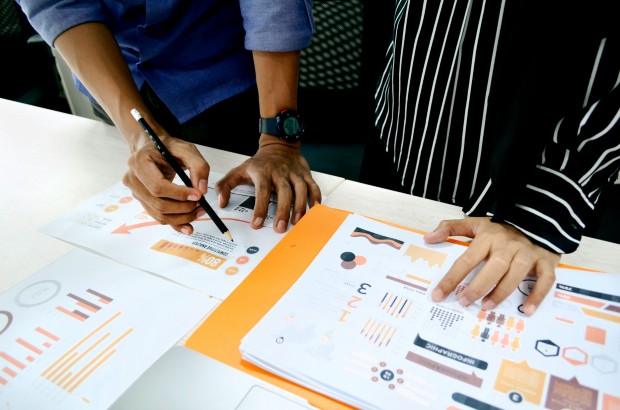
AI design tools can organize information and generate summaries, but they cannot manage shifting priorities among teams. In collaborative environments, designers are essential for turning goals into a clear direction, drawing on an understanding of context and expectations.
Effective communication, in particular, relies on ongoing human interaction. Industry research shows that nearly three-quarters of organizations withdraw or scale back AI-powered communication agents, highlighting the challenges of automating nuanced communication. In these situations, human stakeholders still play a critical role in communicating direction and intent.
For example, in stakeholder reviews, it often takes a person to uncover core issues and guide the conversation toward alignment. Leaders and managers drive these discussions forward, refining direction through continuous dialogue and ensuring teams stay connected and informed.
6. Original Ideation
Studies show that nearly 80% of designers notice significant differences between their creative concepts and AI designs because precise prompts struggle to capture abstract ideas. That gap widens when the concept involves emotion, ambiguity or cultural nuance. The original concept itself still depends on human framing before any translation occurs.
Idea development improves when designers turn abstract ideas into a clear direction. AI tools can generate many outputs, but they can’t define the intent or meaning behind an idea. Designers remain vital in determining what is relevant and guiding concepts toward coherence.
7. Cultural Context and Nuanced Interpretation
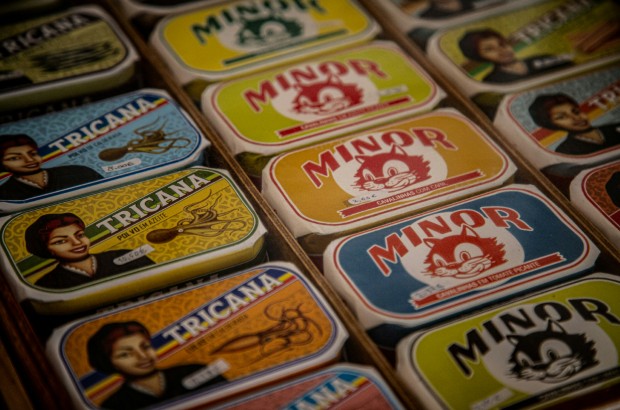
People interpret color, language, imagery and interaction patterns through cultural memory and shared experiences. For example, a color that signals celebration and prosperity in one culture may carry a completely different emotional meaning in another, influencing how users perceive a brand or product.
AI can detect visual and behavioral patterns at scale, but it does not consistently account for how those patterns gain meaning within specific cultural contexts. A phrase, symbol or illustration that feels familiar and engaging in one market may confuse users or communicate an unintended message elsewhere. Designers evaluate these nuances through cultural understanding and lived context, then adapt details to ensure the experience aligns with local expectations and interpretations.
Practical Ways to Combine AI and Human Design Skills
Creative teams are most effective when workflows combine AI for routine tasks with human oversight for key decisions. Strategies that balance the use of AI design tools and human judgment can enhance both efficiency and quality.
- Use AI for exploration, then apply human judgment to select directions that align with intent and context.
- Define clear creative intent before prompting to reduce misalignment between ideas and outputs.
- Treat AI design outputs as raw material, not final solutions and refine them through design reasoning.
- Review usability, emotional tone and cultural relevance in every iteration.
- Separate execution tasks from decision-making tasks so AI accelerates production while humans guide structure.
- Test outcomes against real user behavior to ensure design decisions stay grounded in lived experience.
Balancing Human Design Thinking and AI Capability
AI has expanded what design work can produce and how quickly ideas move from concept to execution, but it has also made the act of choosing more central to the craft. Design now depends less on generating options and more on interpreting what those options mean in context, for real people in real situations. The strongest work emerges when human judgment shapes direction, giving coherence and intent to what technology makes possible.


Leave a Comment