



From endless app pings to phone screens lighting up at every notification, there is no denying that modern technology demands constant attention. What should be a tool that makes lives easier often becomes a source of stress instead.
Calm technologies reframe this concept by designing the product around human attention. It allows information to reside at the edge until action is required, and many designers are embracing it to create experiences that feel less intrusive and more trustworthy.
Why Calm Technology Is Essential in the Age of a Digitally Noisy Era
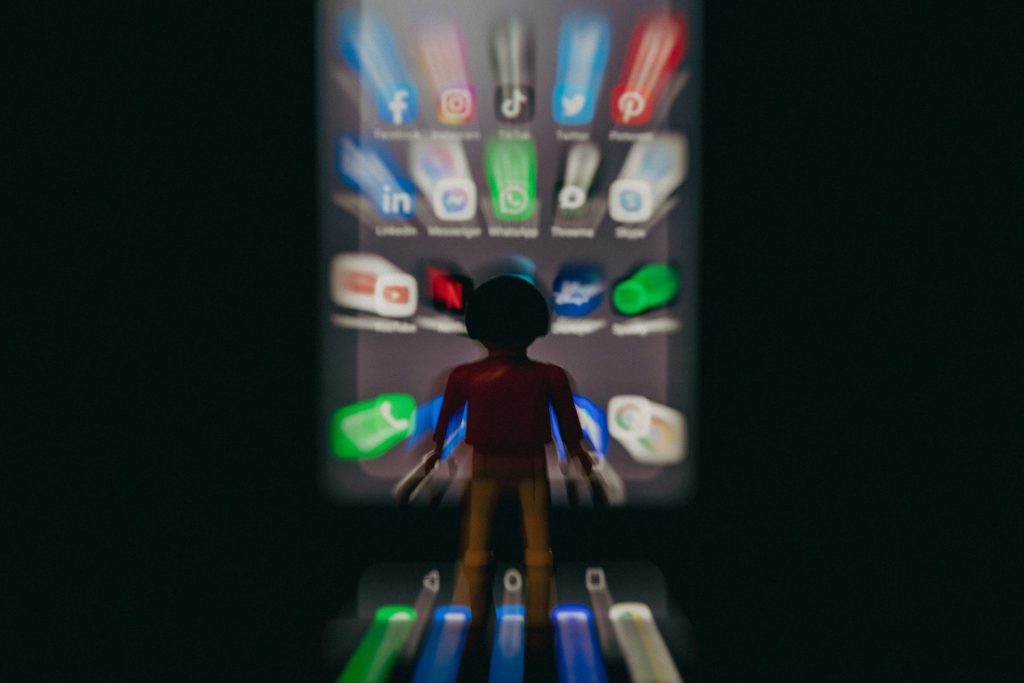
Calm technology is in demand because the world is living in an age where human attention is scarce. This concept is now known as the Attention Economy, which refers to the idea that the scarcity of focus makes attention highly valuable to brands in today’s economy. By design, many digital products amplify notifications, badges and banners until they snag a user’s focus. That may boost short-term engagement, but it comes with costs, including more stress, faster mental fatigue and poorer decision-making.
These physical and psychological impacts occur because the constant switching between chats, emails and tabs fragments working memory. Every switch carries a cognitive penalty, from slower thinking to more errors and quicker burnout.
Workplace studies tying information overload to higher exhaustion make that clear. The lived experience of being “always on” shows up as worse mental health and lower sustainable performance, costing up to 40% of productivity for employees.
The problem with technology lies in the design itself. Technology that piles on signals treats attention as a metric to capture engagement rather than a resource to be stewarded. Calm technology flips that assumption. It opts to surface only what is actionable, shift noncritical information out of the foreground and use context-aware cues that respect users’ flow. That design stance reduces cognitive load, lowers annoyance and preserves the clarity people need to do their best work.
If the goal of tools is to help people get things done, then protecting attention should be a product priority. Calm technology is the mechanism that enables this. It results in less noise, better outcomes and products that truly simplify life.
What Is Calm Technology?
Calm technology began as a reaction to attention-hungry interfaces. Coined and developed by researchers at Xerox Palo Alto Research Center (PARC), the idea reframes design goals. Instead of competing for every glance, technology should reside quietly at the edge of awareness until needed. The objective is straightforward — to create tools that reduce friction by adhering to the core principles outlined below.
Requires the Smallest Possible Amount of Attention
Calm technology assumes attention is finite and valuable. Rather than pulsing, flashing or forcing modal interruptions, it asks designers to surface the tiniest cue that still allows the user to act. The result delivers fewer forced context switches, less cognitive load and more sustained focus for real work.
Make Use of the Periphery
Good, calm design moves low-urgency information to the periphery, such as ambient indicators or glanceable summaries. These tactile cues enable people to stay informed without being pulled out of their flow. That simplicity matters beyond convenience because 16% of people still face digital literacy, which makes clear, low-effort signals essential for broad usability.
Amplifies the Best of Humanity
Calm technology does not strip away personality. Instead, it reduces noise by creating space for judgment, empathy and creativity. When designers remove the needless, people are free to prioritize what matters most.
Communicates Without Speaking
The best calm interfaces “whisper.” Progressive disclosure and nonverbal affordances convey status or next steps without demanding immediate attention. That means users receive only what they need, when they need it.
Calm technology offers a straightforward stance — respect attention as finite and surface only actionable information. Do that and technology starts to feel helpful rather than disruptive.
Calm Technology in Action
The following examples show what happens when products incorporate the key principles and when design chases attention.
Device-Level Attention Control With Apple Focus
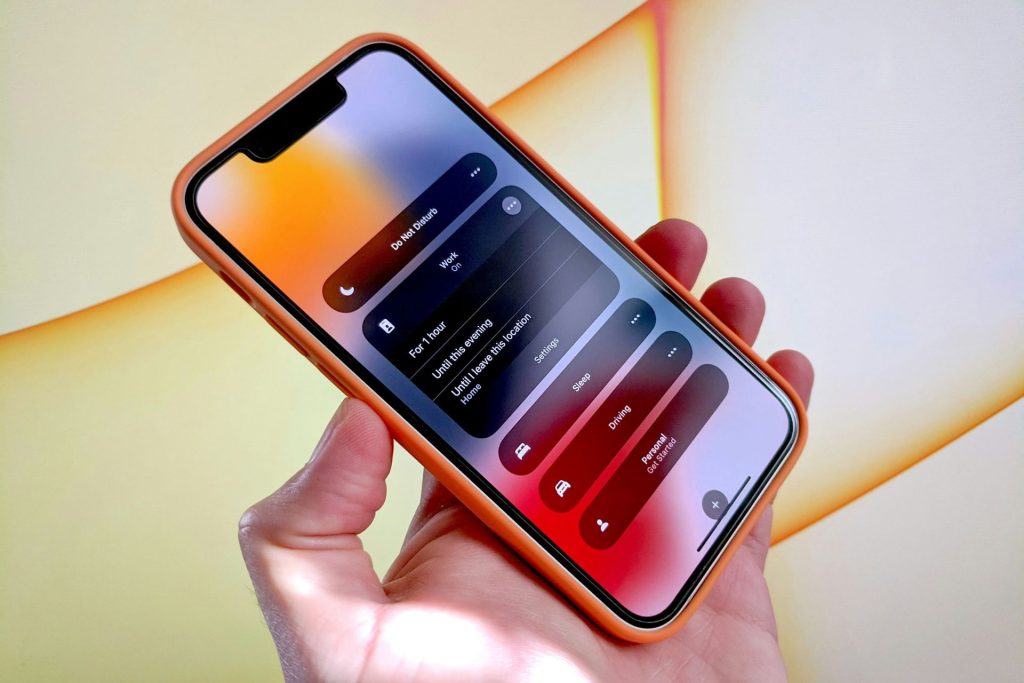
Apple’s Focus modes let users filter which apps and people can interrupt them and surface only relevant notifications for a given context, from Work mode to Sleep mode. It is a straightforward example of “requires the smallest possible amount of attention” in action. The OS itself helps prevent unnecessary foreground interruptions and signals status to others when someone is concentrating. Since its launch date in September 2021, 56% of iPhone users have adopted this feature, helping them to limit distractions and focus more on their digital well-being.
Team Focus Tools From Microsoft Viva
Microsoft has integrated “focus time” and quiet-hours controls into Viva Insights and Teams, allowing organizations and individuals to schedule protected blocks that automatically mute notifications. That moves low-urgency noise to the periphery of work life and enforces boundaries at scale, which has become a calm-technology pattern applied to both workplace culture and product UI.
Philips Hue Circadian Lighting Offering Ambient, Peripheral Signaling
Smart lighting that supports circadian rhythms — like the Philips Hue Twilight products and app updates — uses gentle ambient signals to promote winding down and better sleep. This is a clean example of “makes use of the periphery,” where information and support live as background cues rather than intrusive alerts.
Algorithmic Short-Form Feeds
Compare those wins with short-form video platforms like TikTok, which enable infinite scrolling and attention-grabbing mechanics. They are now the subject of research and regulatory scrutiny because they promote compulsive use due to the advanced algorithmic systems facilitating addictive behaviors. Those features maximize immediate engagement but violate calm principles by prioritizing the capture of attention.
Implementing Calm Technology
Calm technology is a product decision that involves several factors to consider when building or iterating on features. Those considerations are what make it implementable today. Whether it is small changes in signal design, defaults and testing, each move can create bigger wins for user attention and trust. The following items to keep in mind include:
- Auditing interruptions first: Map every notification, badge and modal and ask whether each one truly requires immediate attention.
- Default to quiet: Ship conservative notification defaults and make stronger signals opt-in rather than be the baseline.
- Design for the periphery: Use ambient cues, status bars and glanceable summaries before modal dialogs or forced flows.
- Add progressive disclosure: Surface minimal context up front and reveal detail only on user intent or interaction.
- Make controls obvious and granular: Let users schedule focus time, mute channels and tune sensitivity without digging through settings.
- Account for real-world connectivity and literacy: Test low-bandwidth flows and create simple, low-effort signals for users who are less digitally fluent.
- Measure attention, not vanity metrics: Track meaningful outcomes rather than raw clicks. Examples of metrics include time in focused sessions, notification opt-outs and error rates.
- Consider organizational defaults: Offer team policies for quiet hours and shared focus time to support a culture that aligns with product settings.
- Build feedback loops: Use short surveys and passive telemetry to see when users feel interrupted, then iterate.
The Future Is Calm
Calm technology is here to stay. When designers build with respect for human attention in mind, products feel easier to use and less draining. The bottom line is that quieter, more thoughtful design helps people focus and that is a future worth building toward.

Leave a Comment