

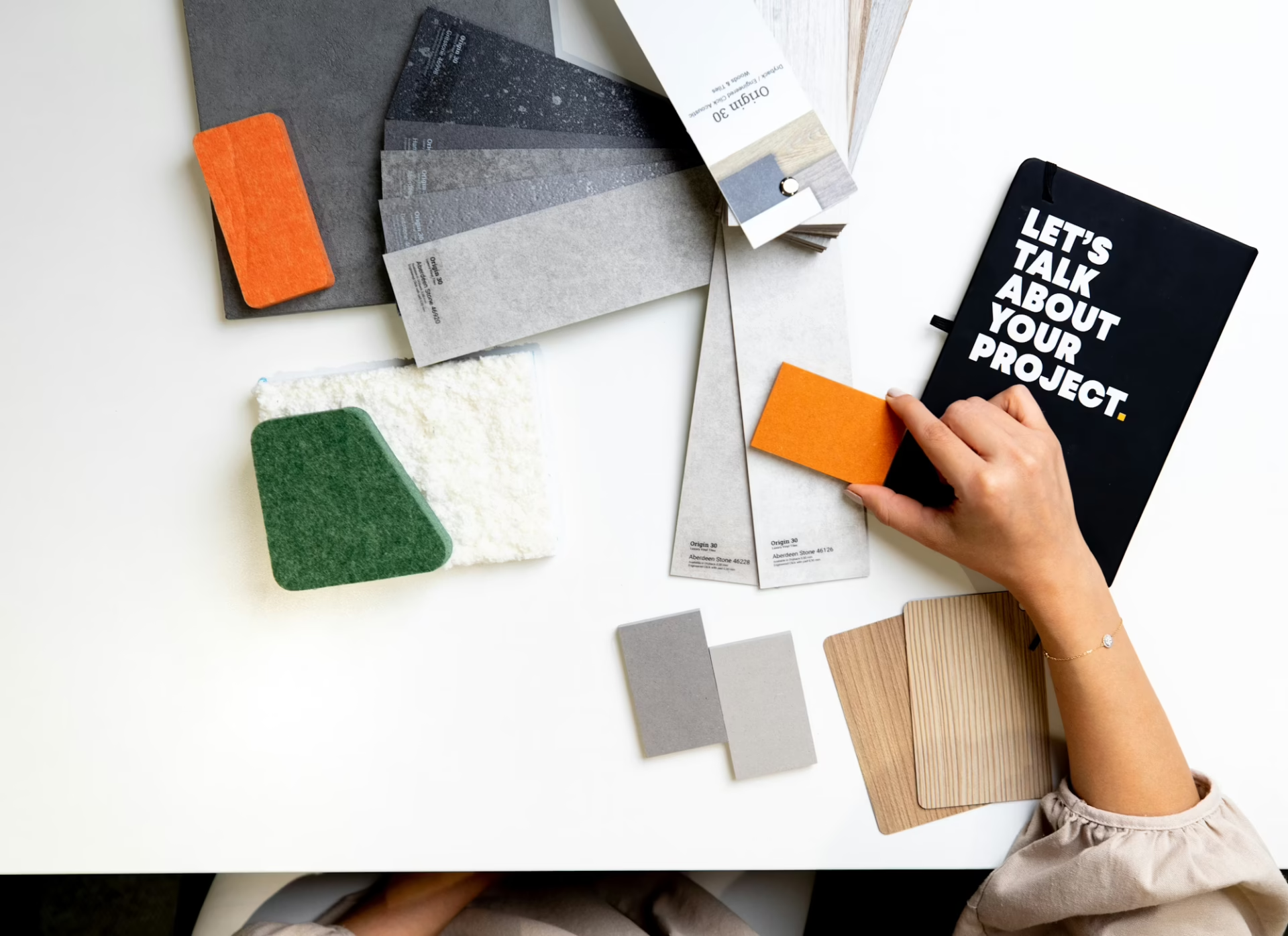


Working with design studios can help brands develop their branding, share their message, and support business growth. Aside from skill and talent, strong results require clear communication and good teamwork.
Laying the Foundation for a Successful Partnership
Before the creative work starts, preparation matters. A strong foundation helps both sides stay aligned and minimize potential problems.
Defining Goals and Success Metrics
Project goals need clarity to ensure success. Vague goals like “I want a new website” set the direction, but it needs more detail. Clear objectives help guide every decision.
Businesses should aim for specific outcomes, such as:
- Increase lead generation by 15%
- Improve website accessibility according to the Web Content Accessibility Guidelines (WCAG)
- Boost conversion rates on specific pages
Clear goals make it easier for design studios to create work that actually performs. They also help measure success after the launch. Aside from these objectives, a strong project brief should clearly explain the problem being solved and the target audience. Defining these early ensures understanding and allows projects to move faster.
How to Vet and Choose the Right Studio Partner
The best design studio partner should fit the company’s needs and working style. Here are some key criteria to look at:
- Their past work and whether it matches the goals
- How they manage projects and feedback
- What past clients say about them
- How they communicate
Many companies place a high value on communication. A studio that responds clearly and promptly can prevent delays and confusion. Asking about their workflow and revision processes can also help make a more informed choice. The right studio will feel like a partner who understands the brand.
Preparing Internal Assets and Teams
Good collaboration requires effort from both sides. While the design studio is providing a service, businesses should also come prepared to ensure smoother workflows.
Key materials often include brand guidelines, audience profiles, existing content and examples of competitors or preferred design styles. Having these ready helps the studio understand the vision and direction faster.
It is also important to assign a single point of contact. Their presence helps facilitate smoother communication and clarity between parties. Teams that prepare properly often complete projects faster and with better results.
Mastering the Collaborative Design Process

Once the project begins, success depends on how well both sides communicate and work together.
The Kickoff Meeting: Starting on the Right Foot
The kickoff meeting sets the direction for the entire project. It aligns both teams on expectations and responsibilities.
A strong kickoff should clearly define goals, timelines, communication tools, and expectations on frequency and format. It should also clarify key responsibilities, especially around feedback and approvals. When everyone understands their role from the start, they can work together more easily.
The Art of Giving Constructive Feedback
Feedback is crucial in design projects and the creative sector as a whole, but making good constructive comments takes some thought and practice. Clear comments help ensure clarity and keep the project on track.
Feedback should rely less on personal preference — unless the project is for a personal brand — and more toward the project goals. For example, comments should explain how a design proposal supports or does not support user needs or clarity.
Structured feedback sessions can help keep discussions focused and comments actionable, especially for important milestones.
Trusting the Hired Experts
Design studios bring experience to the project, whether it’s for branding or user experience. It’s important to give them space and time to apply that expertise.
Clients should focus on sharing goals and providing feedback at the right moments instead of controlling every detail. Direction is important, but too much can limit creativity and lead to weaker results. Trusting the design team can lead to more effective and innovative design.
Even well-planned projects can face challenges. Knowing how to handle them helps keep everything on track.
Managing Scope Creep
Scope creep happens when clients add new requests after the project has started. This phenomenon can affect timelines, budgets, quality, and client-designer relationships. Common causes of scope creep include poor requirements gathering and stakeholder management, especially at the start of the project.
To manage scope creep, companies and designers can:
- Set clear requirements and limitations at the beginning
- Track and document any new requests
- Save additional ideas for a later phase
If changes are necessary to the success of the project, they should come with updated timelines or costs. This approach keeps expectations realistic and fair for both sides.
Resolving Creative Disagreements
Disagreements are a normal part of creative work. The key is to keep discussions focused on goals instead of personal opinions.
Teams should base their decisions on what best serves the target audience and project objectives. This approach reduces unnecessary conflict and keeps conversations productive, ensuring consistent progress.
The Handoff: Ensuring a Smooth Transition
Ending the project with a proper handoff ensures the final work is up to standards and can be used effectively.
What to Expect in the Final Delivery Package
A professional design studio should provide all necessary files and assets. The submission usually includes final design files, exported formats like JPG, PNG, GIF or SVG, as well as brand guidelines and supporting documentation. Having everything organized makes it easier for internal teams to use and maintain the designs over time.
Empowering Teams to Use the New Designs
The best designs can only reach their full potential when used correctly. Businesses should consider holding a short training session with the internal project head. This step helps teams understand how to apply brand guidelines and use assets properly to maintain consistency across channels.
Beyond the Project: Building a Long-Term Partnership

Businesses that build long-term relationships with design studios can achieve more consistent results and smoother workflows based on shared experience and trust.
Scheduling a Post-Project Retrospective
A post-project retrospective gives both the business and the design studio a chance to review the entire process. This step helps identify what worked well and what they could improve.
During this discussion, teams can look at timelines, communication, feedback, and revisions. It can also be useful to compare the final results with the original goals and success metrics.
Exploring Retainer and Support Models
Many businesses move from one-time projects to ongoing partnerships. This shift changes the relationship from a simple vendor setup to a more stable and strategic collaboration.
A retainer or support model allows the design studio to be more familiar with the brand and its needs. This knowledge reduces the time required to start new tasks and improves the quality of the work.
Building Strong Creative Partnerships
Collaborating with a design studio is about building a partnership that supports business goals. Adopting some best practices and mindset shifts allows both clients and designers to create smooth processes and effective results. Strong collaboration is key to better design and long-term success.

Leave a Comment