

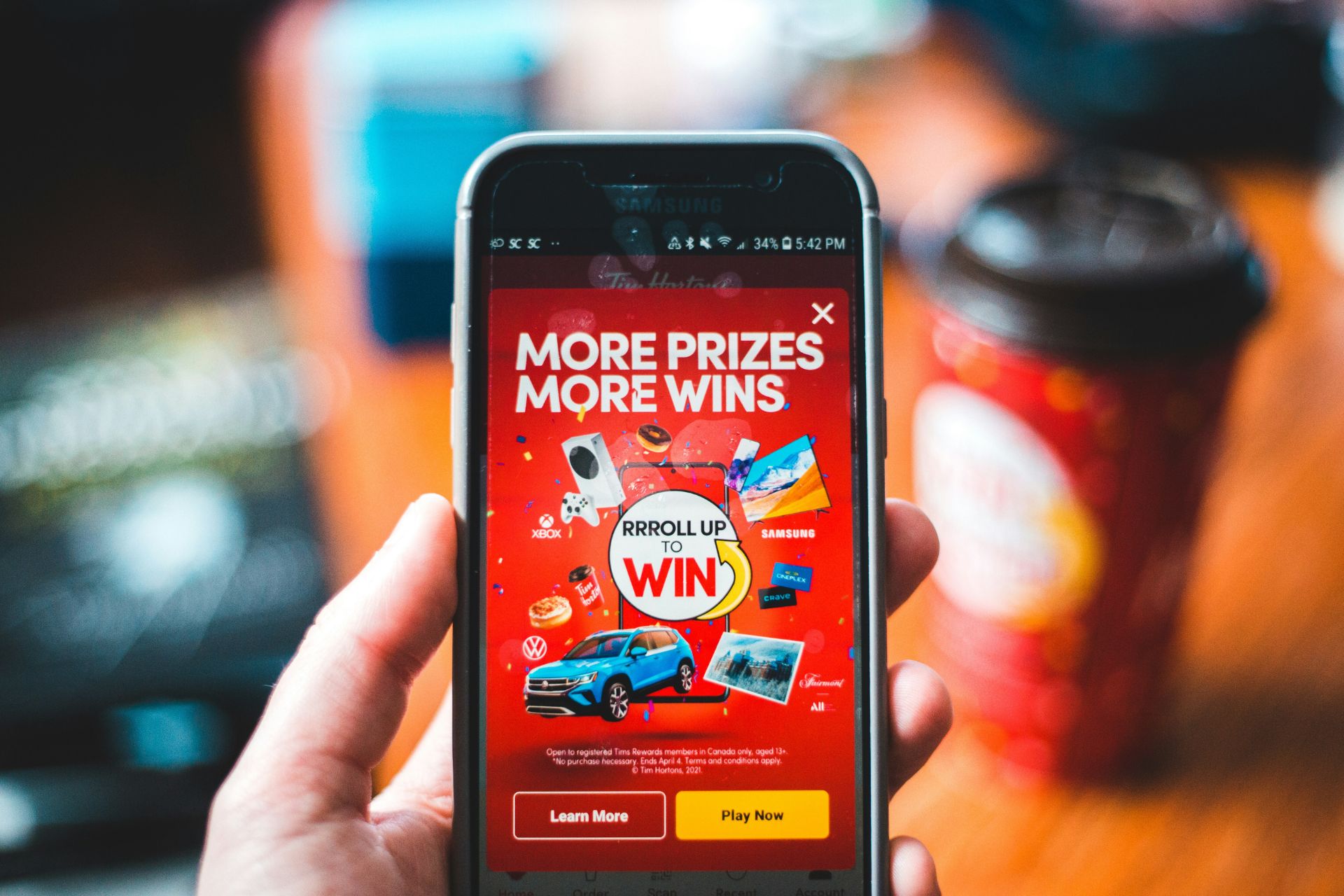


A promotional giveaway can be an excellent way to get people talking about a small business. However, a sweepstakes promotion becomes legally problematic when its structure crosses the line into an illegal lottery. Entry methods and prize disclosures can also vary by state, exposing businesses to legal trouble if they get the rules wrong. Understanding these requirements before launch can help businesses run a fair promotion and avoid preventable problems.
The Complex Legal Landscape of Retail Promotions
State and federal law treat any promotion involving three elements — prize, chance and consideration — as an illegal lottery. A prize is what someone can win, chance means the winner is selected randomly, and consideration can include requiring a purchase to enter. Removing one of these three elements can keep the promotion from being an illegal lottery, which is why most sweepstakes offer a free alternative method of entry.
For example, a bakery might give customers an entry when they buy a cake. If it also allows people to enter for free, that option needs to be a genuine way to participate, with the same chance of winning. The free entry method should be clear wherever the bakery promotes the giveaway.
That alternative must give customers a genuine opportunity to participate without making a purchase. The Federal Trade Commission sent over $18 million in refunds to consumers in 2025 after alleging that Publishers Clearing House misled people about whether purchasing products affected their chances of winning. A free entry option offers little protection if the promotion makes customers think a purchase is necessary or gives them better odds.
Compliance problems multiply when a promotion reaches customers in multiple states. Florida requires any sweepstakes open to its residents with total prizes exceeding $5,000 to be registered at least seven days before the promotion begins, even if the retailer operates elsewhere. New York and Rhode Island impose similar registration requirements with different thresholds and timelines, creating overlapping obligations that retailers must track independently. A small business advertising a giveaway online may reach eligible customers beyond its home state, so it should decide where people can enter before announcing the promotion.
Why You Need Specialized Counsel for Rule Drafting
An attorney who works on sweepstakes compliance can draft official rules that present the free entry method with the same prominence and winning odds as a purchase-based entry. An attorney experienced in promotions law can also check the structure of your giveaway against the requirements of every state where customers may enter.
This includes identifying registration deadlines in states like Florida, New York and Rhode Island and ensuring the promotion’s start date allows time to meet those deadlines. Missing a registration window can force a business to exclude residents of an entire state or delay the launch. Legal review is especially useful while the giveaway is still an idea, when the business can adjust its entry process or launch date without having to correct advertising that customers have already seen.
When entries arrive by mail, additional rules apply. The United States Postal Service requires disclosures, including that no purchase is necessary and that making a purchase will not improve a person’s odds of winning. These disclosures must appear on the mailing materials themselves, not just on a website or social media post.
An attorney can review how the official rules appear across every customer touch point, such as your website, social media posts, printed materials and entry forms. Customers who see inconsistent information about entry methods or eligibility may question whether the promotion is legitimate, undermining the goodwill the giveaway was designed to create. For a small team preparing several versions of the same announcement, checking them against one set of official rules can catch conflicting details before publication.
Leading Law Firms for Sweepstakes and Promotion Compliance
The following firms represent clients on sweepstakes and contest compliance across the United States. Each has experience with promotions that reach customers in multiple states and with the consumer protection rules that apply. The right fit depends on the type of promotion and the help your business needs before launch.
1. Olshan Frome Wolosky LLP
Olshan Frome Wolosky LLP works with brands and marketers on sweepstakes and contests that reach customers nationwide. Its attorneys can help structure giveaways, draft official rules and coordinate state registration and bonding. The firm’s broader advertising practice also represents clients in regulatory investigations and enforcement actions, including matters involving the Federal Trade Commission. Olshan Frome Wolosky LLP can advise businesses on both the proactive compliance work needed before a promotion launches and the defense work that may follow if a regulator raises questions.
That combination may be useful for a business planning a promotion across several states or one that needs its advertising reviewed alongside the official rules.
2. Frankfurt Kurnit Klein & Selz PC
Frankfurt Kurnit Klein & Selz PC advises brands on advertising and marketing law, including consumer promotions. Its attorneys work on sweepstakes, skill-based contests and giveaways, giving small businesses access to counsel familiar with different types of prize promotions and the distinct legal frameworks that apply to each. Frankfurt Kurnit Klein & Selz PC also advises on coupons and rebates.
A business weighing a random drawing against a judged contest could benefit from counsel that works with both formats. The distinction matters because changing how a winner is selected can change which rules apply.
3. Venable LLP
Venable LLP advises companies on sweepstakes and contests from the initial concept through launch. Its attorneys assess whether a proposed promotion could be treated as an illegal lottery under state or federal law and identify compliance issues before a business commits to a timeline or publicly announces the giveaway. Venable LLP drafts official rules, handles state registration and bonding requirements, and reviews promotional advertising to ensure that entry methods and prize disclosures are presented consistently.
Its work across planning and launch may suit a business that wants one legal team to review both the giveaway structure and the messages customers will see.
What Real Giveaways Can Teach Small Businesses
Cash App Fridays shows why businesses need to think about what happens after people enter. The promotion encouraged users to post their Cash App identifiers publicly for a chance to win a weekly prize. According to the New York attorney general, scammers then contacted participants, falsely told them they had won and tried to obtain their login information. The attorney general said Block knew about the scams but continued the promotion.
For a small business, the lesson is to tell entrants how winners will be contacted and to watch for accounts impersonating the business. The Cash App matter concerned broader fraud and consumer protection failures — it was not a finding that the giveaway’s entry rules made it an illegal lottery.
Starbucks offers an example of how to communicate a free entry option in a promotion announcement. Its Starbucks for Life announcement prominently says no purchase is necessary and directs readers to the official rules for details on entering without buying anything.
A small business can take the same practical approach by making the free option visible in its advertising and give customers a clear path to the full rules. This example illustrates clear communication — the announcement alone cannot establish whether every part of the promotion met every applicable legal requirement.
Frequently Asked Questions About Retail Giveaways
The following questions address common compliance concerns retailers face when planning a giveaway.
Do you need to register your sweepstakes?
Registration depends on where your customers live and the value of the prizes you offer. Florida requires registration for promotions open to its residents when total prizes exceed $5,000. New York and Rhode Island impose similar requirements with different thresholds. These obligations apply even when your company operates in a different state. Check the states where people can enter before setting your launch date.
What is an alternative method of entry?
An alternative entry method lets customers participate in your sweepstakes without making a purchase. This method must offer the same odds of winning as a purchase-based entry and must be disclosed clearly in the official rules. Common alternatives include mail-in entries or online submission forms that do not require proof of purchase. The free method also needs to be practical for customers to use during the promotion’s entry period.
Can a purchase improve someone’s chance of winning?
No. If buying something improves an entrant’s odds, the free entry method does not offer an equal chance to win. That can reintroduce the consideration element and raise illegal lottery concerns. State plainly in your rules that a purchase is unnecessary and will not improve the odds of winning.
Protecting Your Retail Brand and Customers
Clear official rules help customers understand how to enter your giveaway and what they can expect if they win. Reviewing entry methods and checking state registration requirements before your promotion goes live helps you avoid compliance problems that could lead to enforcement action or force you to cancel the giveaway after it has been announced. It also gives customers a clearer, more trustworthy experience. A business planning a sweepstakes can consult an attorney experienced in promotions law to review the structure and draft compliant rules before launching.
Leave a Comment