


An effective influencer media kit is essential for both parties in a brand partnership. It is often the first asset companies use to decide whether a creator is worth pursuing. The strongest kits function as a hybrid of resume and sales deck, allowing decision-makers to easily evaluate fit and potential returns.
What Is an Influencer Media Kit?
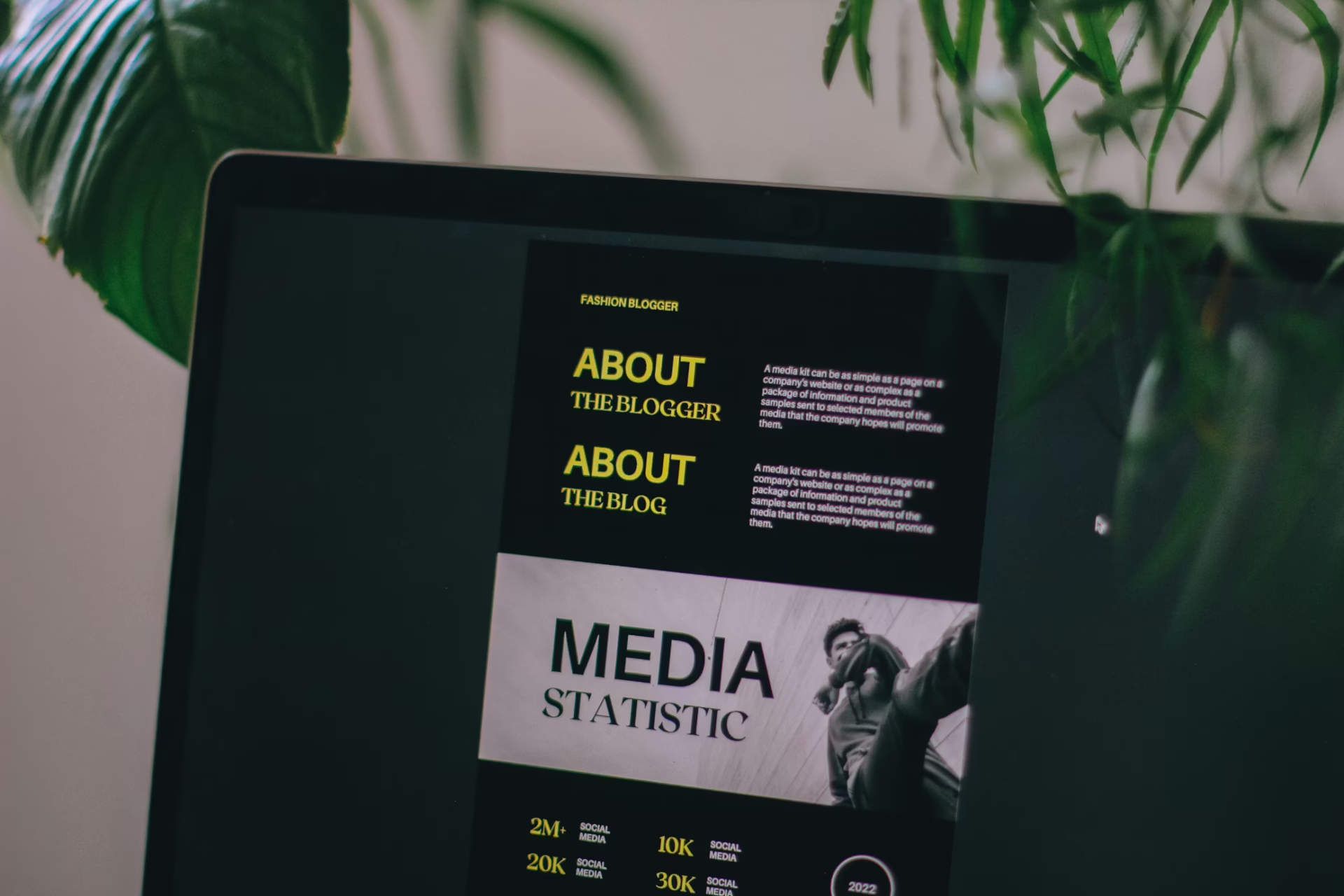
An influencer media kit is a concise, branded document that presents a creator’s value to potential partners. It provides brands with a clear overview of the influencer’s identity, their reach, how their content performs, and what a collaboration could look like.
It is a reusable asset designed for efficient communication. Brands can use it to assess whether the audience is relevant and whether the creator delivers measurable results, justifying their potential investment in this partnership.
Over 75% of brands have dedicated budgets for influencer marketing. As these figures continue to grow, businesses are also becoming more selective. While followers are important, engagement quality and audience alignment also matter a lot. A strong influencer media kit addresses this need by presenting proof of an account’s suitability for a specific project.
The Core Components Every Influencer Media Kit Needs
An influencer media kit should be easy to scan and data-informed. Brands should be able to understand the creator’s value after a quick once-over.
Introduction and Bio
The introduction establishes the influencer’s positioning. It should quickly communicate the creator’s niche, platforms, and the type of content they produce. Brands want relevance and clarity when reading this section.
A strong bio answers what the creator is known for and why they have authority within their niche.
Audience Demographics

Audience data is one of the most important sections for brands, particularly SMBs with defined customer profiles. Influencers can pull audience demographics from their platform analytics and present this data clearly, showing age ranges, gender distribution, geographic locations, and key interests.
This section is especially helpful for smaller, niche creators who might be competing with larger accounts. A smaller yet highly aligned audience can be more valuable than a broad, scattered reach. In fact, 69% of consumers trust influencer recommendations and will turn to social media to inform their purchases.
Key Performance Metrics
Metrics establish credibility. Brands expect to see follower counts, engagement rates, views, or reach when available. Context also matters, especially for decision-makers who may not be as familiar with social media analytics dashboards.
To better stand out, creators should highlight performance trends or note when their numbers consistently exceed platform benchmarks. This context translates raw numbers into valuable business information.
Collaboration and Rate Card
This section outlines how brands can work with the creator and what they can expect to spend. Creators can present a fully-transparent price list or just provide starting rates. They can also describe common deliverables and usage considerations. This clarity can allow both parties to evaluate and prepare their resources and speed up negotiations.
Past Partnerships and Testimonials
Social proof supports an influencer’s credibility. Featuring recognizable brands or short testimonials signals experience and reliability. Partnerships are most valuable when the creator frames them based on results and ease of collaboration. Just as social proof influences 90% of buyers, brands often trust peer validation more than self-promotion, making this section powerful for closing deals.
Contact Information
Professional contact details should be prominently displayed and easily accessible. A dedicated email address, relevant social handles, a website, or a portfolio link ensures brands can act immediately when they become interested in a creator.
Designing a Media Kit That Reflects the Brand
Design communicates professionalism before the company even reads the document. A well-designed influencer media kit shows that the creator understands branding and presentation, which brands expect from partners that will represent them publicly.
Visual choices should align with the creator’s personality and online presence. Clean layouts, readable fonts, standout colors, and relevant iconography can communicate authority and skill. Brands reviewing multiple kits in a short period often favor clarity and structure.
Media kits often work best as PDFs to preserve layout and make sharing easier across teams.
How to Use a Media Kit to Secure Partnerships
An influencer media kit is most effective when used intentionally. With the right strategy, a media kit helps guide the conversation and shorten the path to a signed agreement. These tips can help creators use their kit to showcase value.
Customizing the Kit for the Opportunity
A tailored media kit often performs significantly better than a generic one. Customization helps creators emphasize their skills and strengths that matter most to the brand they are approaching.
For example, a creator pitching a B2B software company might highlight their LinkedIn presence or long-form educational content, while a consumer brand may care more about Instagram or TikTok follower demographics and short-form video performance.
Spotlighting aligned audience segments or including a relevant case study shows strategic intent and respect for the brand’s goals. This approach positions the creator as a partner who understands and shares desired outcomes.
Perfecting the Pitch
The media kit should come with a relevant pitch email that briefly explains why the partnership makes sense and the type of collaboration they could explore.
Referencing specific data points from the kit, such as engagement rates or past campaign results, directs the brand’s attention and reinforces the creator’s credibility. The goal is to make it easier for the recipient to connect the creator’s audience and niche to the brand’s objectives.
Timing can significantly impact results. A media kit is most effective when shared at moments of peak interest or decision-making. These times usually include the initial outreach with a defined pitch, or when responding to brand inquiries. Sharing the media kit at the right time helps establish momentum and clarity, helping both sides move forward efficiently.
Common Mistakes To Avoid

Even well-established creators can lose brand deals due to preventable mistakes in their media kits. Avoiding the following pitfalls helps maintain credibility and keeps partnership conversations moving.
Outdated Information
While past successes are important, an influencer media kit should reflect current performance. Follower counts, engagement rates, audience demographics, and content quality change over time, and brands notice when numbers feel inconsistent with live profiles.
A good practice is to update the kit at least once per quarter. Regular updates show professionalism and ensure brands are making decisions based on accurate information.
Vague or Missing Rates
Leaving out pricing details may feel strategic, but it can have the opposite effect. When rates are unclear or missing, brands are forced to ask follow-up questions, which can slow negotiations or cause them to move on to another creator.
Including starting rates or package ranges helps set expectations early and filters out mismatched opportunities.
Poor Design and Typos
Design quality directly reflects how a creator approaches their work. Cluttered layouts or basic spelling errors signal a lack of attention to detail, which brands tend to avoid in public-facing partnerships. Clean layouts and thorough proofreading show reliability and professionalism before the conversation even begins.
Toward Meaningful Partnerships
An influencer media kit is a significant business asset, helping brands streamline evaluation and allowing creators to establish credibility and value. As influencer marketing continues to evolve, professionalism is essential. A well-designed and intentional media kit will put creators in stronger positions to secure quality brand partnerships.

Leave a Comment