



In This Article
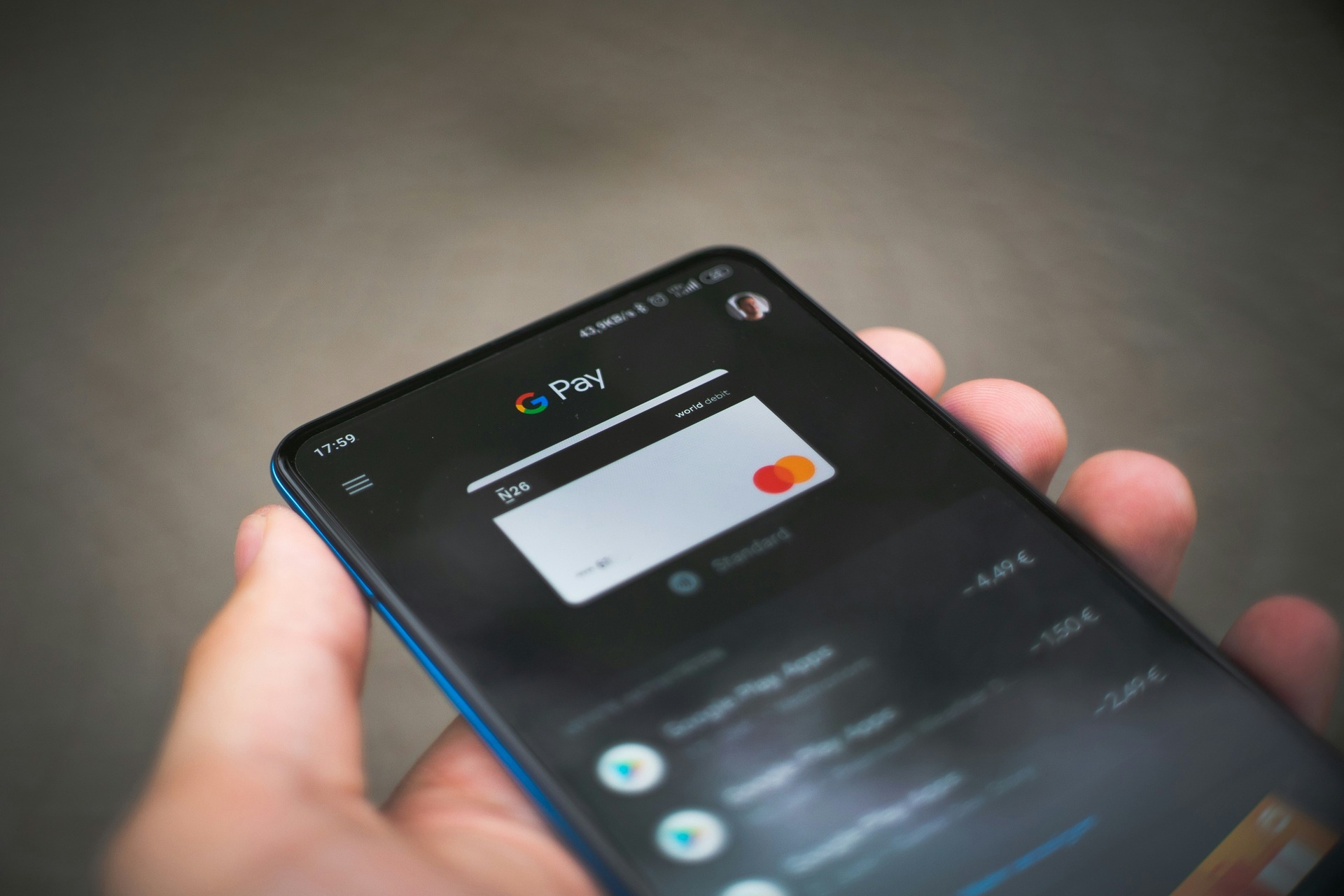
Mobile payment apps for small businesses have influenced how freelancers and small teams manage transactions in a digital-first economy. They replace manual invoicing and delayed bank transfers with fast, centralized platforms. Payments move in real time and designers can serve local and international clients with minimal friction.
This shift improves operational efficiency and reduces administrative overhead as businesses scale. Demand continues to rise as clients expect fast and secure payment options that align with modern purchasing behavior. Business owners increasingly adopt tools that support digital wallets and recurring billing while maintaining strong security through encryption. This approach makes seamless payment experiences a key driver of client satisfaction and retention.
Why Mobile Payment Apps Are Essential for SMBs and Creative Professionals
Faster payments shorten the gap between invoicing and receiving funds, which allows freelancers and small businesses to operate with greater financial stability. Automated tools, like real-time tracking and reconciliation, reduce administrative workload and give teams more time to focus on client work.
The shift toward cashless transactions impacts expectations, as clients increasingly prefer flexible payment options like cards and digital wallets. This is especially true with 50% of online shoppers worldwide using digital wallets as their preferred payment method in 2023. Mobile payment apps meet these expectations while elevating professionalism through branded invoices and seamless checkout experiences that support long-term client relationships.
Features to Look for in a Mobile Payment App
Mobile payment apps for small businesses include essential features that streamline financial operations, starting with invoicing tools that allow users to create and customize professional invoices in minutes. Recurring billing automates payments for ongoing services. Meanwhile, payment tracking provides real-time visibility into completed, pending and overdue transactions.
Many platforms integrate seamlessly with accounting tools and e-commerce systems, which enables automatic data syncing and unified financial reporting across sales channels. End-to-end encryption and compliance with cybersecurity standards protect sensitive financial data and build client trust. Usability is also critical, with intuitive mobile interfaces and multi-currency support allowing small teams to manage payments efficiently across different regions and client types.
Top Mobile Payment Apps for Freelancers and Small Businesses
Selecting the right payment platform can affect how efficiently freelancers and small businesses manage transactions and client relationships. The following mobile payment apps offer a range of features to support different workflows and growth stages.
1. Paypal
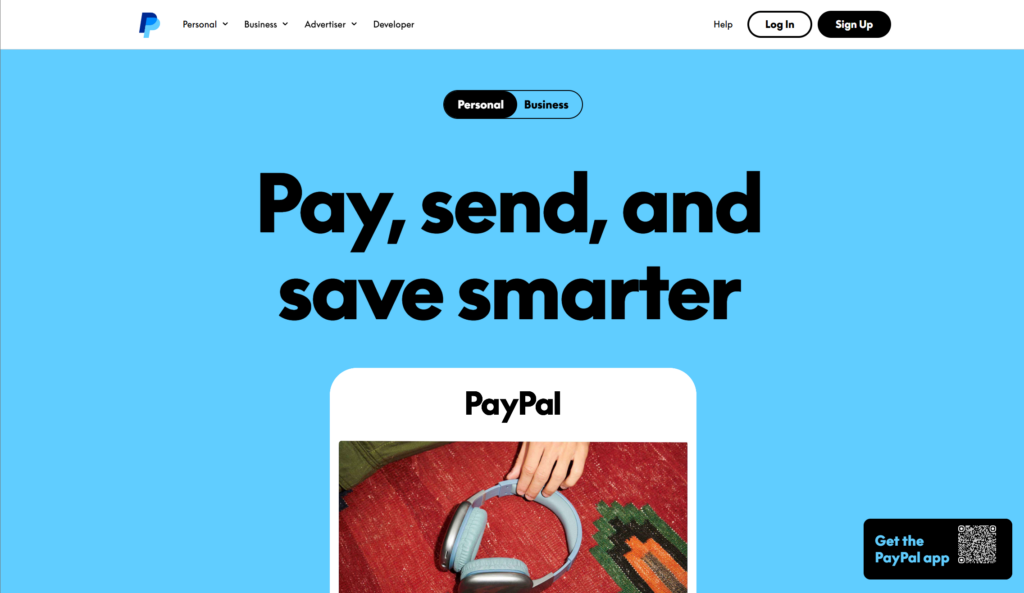
PayPal offers payment solutions, including online payments, invoicing, recurring billing and global checkout capabilities. The platform supports transactions in over 200 markets and 140 currencies, which makes it highly effective for businesses serving international clients and remote teams.
Fraud protection, digital wallets and buy now, pay later services enhance security and user experience. Its scale further strengthens its position, with around 439 million active accounts and approximately $1.79 trillion in annual payment volume, which reinforces trust and widespread adoption. Its ease of use and accessibility allow users to start accepting payments with minimal technical effort.
2. Square

Square is an all-in-one payment and business management platform that enables small businesses to accept various payment methods through a single system. It offers a powerful point-of-sale solution and customer management features, which can integrate with platforms like QuickBooks and WooCommerce.
The platform is widely recognized for its accessibility, as it offers free POS software with no monthly fees and only charges per transaction. Square also supports millions of sellers globally and processes billions in payment volume each year. It seamlessly combines software, hardware and operational tools that allow businesses to manage in-person and online transactions from one unified platform.
3. Stripe
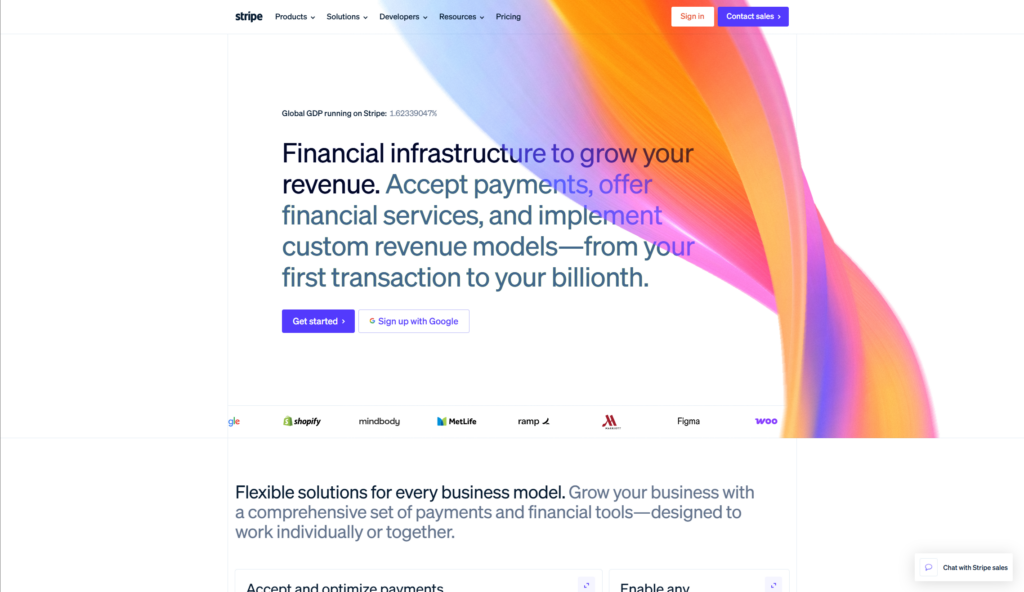
Stripe is a developer-focused payment infrastructure for small businesses to accept payments online, in person and across global markets. Its platform includes tools for subscriptions, invoicing and payment processing, all powered by customizable APIs that allow businesses to build tailored payment experiences.
Stripe supports over 135 currencies and processes around $1.9 trillion in annual payment volume. It stands out for deep customization and seamless integration into websites and marketplaces, which makes it well-suited for businesses with more complex or scalable needs. Its optimization capabilities also drive measurable results, reinforcing its value for growth-focused operations.
4. Venmo

Venmo is a mobile-first payment platform built for social and convenient transactions. It allows users to send money, split payments and pay businesses directly through an intuitive app. Its standout strength lies in its social payment experience, where transactions can include notes and shared activity, which creates a more engaging environment than traditional payment tools.
The platform also supports merchant payments and debit card usage, expanding its functionality beyond simple peer-to-peer transfers. With over 90 million active users, Venmo demonstrates high engagement and widespread adoption. It boasts a social-first design, which can help small businesses gain visibility and benefit from network-driven interactions.
5. Cash App
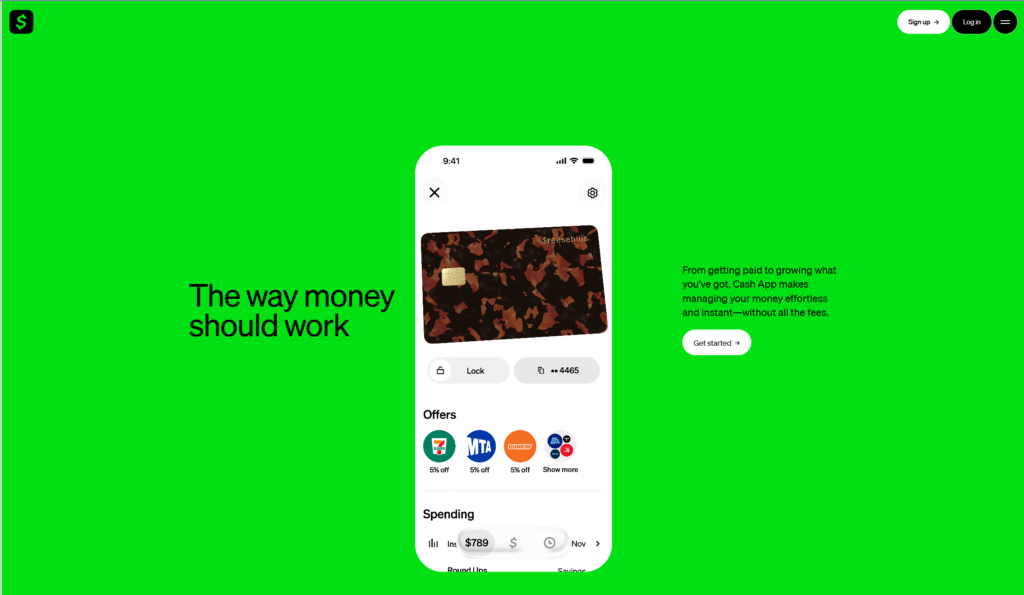
Cash App is a streamlined, mobile-first financial platform that allows users to send and receive payments and manage balances. It also features debit card transactions and investment tools within a single app. It enables freelancers and small businesses to accept payments instantly and transfer funds with minimal setup.
The platform has scaled to over 57 million monthly active users, reflecting strong adoption among digitally native audiences. Cash App also boasts encryption and real-time monitoring systems that have helped prevent over $2 billion in scams since 2020. It stands out for its peer-to-peer focus, which offers an accessible and user-friendly experience for quick transactions and everyday use.
Comparing Mobile Payment Apps for Different Business Needs
Mobile payment apps for small businesses address different priorities depending on the user, as freelancers typically prioritize ease of use and fast payouts to maintain consistent cash flow. Simple interfaces and instant or same-day transfers allow independent professionals to manage payments without added complexity.
In contrast, small businesses often require more advanced capabilities, including point-of-sale systems and scalable infrastructure that supports growing transaction volumes and team-based operations. Clear differences also appear in transaction fees and customization options, as freelancers tend to favor transparent pricing. Meanwhile, larger operations evaluate tiered fees and flexible workflows that align with their business processes.
Best Practices for Using Mobile Payment Apps Effectively
Mobile payment apps streamline invoicing by enabling users to create reusable templates and automate reminders that reduce payment delays. Recurring payments can be scheduled for ongoing services, which ensures predictable cash flow while minimizing manual follow-ups.
These platforms also maintain clear and organized records, automatically tracking transactions and payment histories to support accurate tax reporting and financial management. Security remains a priority, with features such as two-factor authentication and continuous transaction monitoring helping protect accounts from unauthorized activity.
Choosing the Right Mobile Payment Solution for Growth
Mobile payment apps for small businesses simplify transactions by centralizing invoicing and tracking into one efficient system that supports faster cash flow and smoother operations. Choosing the right platform depends on business needs and scalability goals, as each solution offers different features and pricing structures. Freelancers and SMBs that adopt these tools position themselves for more efficient workflows and a more professional client experience.

Leave a Comment