




In This Article
A brand is more than a logo or a name — it’s a promise to the customer. Attention-grabbing, recognizable branding is important for businesses of all sizes to cement their identity. However, even large brands can sometimes miss the mark. Learn about branding fails and the lessons that business owners can take away from them.
Deconstructing 6 Branding Fails
Branding failures can lead to financial losses and reputational damage across industries. Here are six misguided rebrands or campaigns from recent years and their consequences.
1. Twitter’s Rebrand to “X”

Image source: https://unsplash.com/photos/a-close-up-of-a-piece-of-paper-with-a-twitter-logo-on-it-yp4z1VkK3m4
In July 2023, the globally recognized Twitter brand changed its name and bird logo to “X.” This surprise change created massive confusion among users and advertisers alike.
Shortly after acquiring Twitter and rebranding it, Musk posted, “The Twitter name made sense when it was just 140 character messages going back and forth – like birds tweeting – but now you can post almost anything, including several hours of video.”
The X rebrand was widely received as an impulsive decision rather than a strategic one. The brand’s value dropped to $5.3 billion after Musk purchased it for $44 billion. Estimates from 2025 suggest a rebound, yet many advertisers and users remain wary of the platform.
2. Bud Light’s Disconnected Partnership
Bud Light, a well-known American beer brand, initiated a small social media partnership with Dylan Mulvaney, a transgender media personality. In a sponsored Instagram video, Mulvany received a personalized can to promote Bud Light’s “Easy Carry Contest,” which received massive backlash.
Mulvaney later issued a public statement addressing the harassment, noting that Bud Light had not reached out to her during the situation. The collaboration also alienated the brand’s more conservative audience, leading to a boycott and a $4 billion loss in market capitalization for its parent company.
The partnership was seen as an attempt at inclusive marketing, yet Bud Light’s larger Pride campaign faltered due to a lack of a clear strategy or authentic commitment to inclusivity. Without demonstrating year-round support and fostering inclusive internal policies, a brand’s attempt at inclusivity may feel superficial.
3. Apple’s iPad Pro “Crush” Controversy

Image source: https://x.com/tim_cook/status/1787864325258162239?
A 2024 Apple ad depicted a hydraulic press crushing creative tools, including cameras, paints, guitars, books and more objects. The commercial was intended to symbolize how all of their functions could now be achieved with the new iPad Pro.
However, many viewers felt that the ad diminished the creative community and its tools. It added to the growing concern about technology and artificial intelligence replacing human effort. Upon misunderstanding its core audience’s culture and values, Apple ultimately pulled the ad.
Tor Myhren, Apple’s VP of marketing communications, told AdAge, “Our goal is to always celebrate the myriad of ways users express themselves and bring their ideas to life through iPad. We missed the mark with this video, and we’re sorry.”
4. Bumble’s Insensitive Billboards
Bumble, a dating and social networking app, launched a campaign with anti-celibacy billboards featuring taglines like “You know full well a vow of celibacy is not the answer” and “Thou shalt not give up on dating and become a nun.”
The campaign was generally seen as dismissive of personal choices and as a tone-deaf attempt at edginess. This was a significant misstep, given that over 80% of consumers consider authenticity the most important factor in brand loyalty.
In response to the backlash, Bumble removed the billboards and donated to the National Domestic Violence Hotline. This marketing fail demonstrates the risks of a brand trying to engage in a complex social conversation without genuinely understanding its implications.
5. Shein’s Factory Tour PR Stunt
Over the years, fast-fashion giant Shein has faced substantial backlash for human rights violations and unsustainable environmental practices. In an attempt to improve its reputation, the company sponsored an all-expenses-paid trip for influencers to visit its “Innovation Factory” in Guangzhou, China.
Although influencers praised the working conditions and clean facilities on their social media accounts, many viewers found the campaign in poor taste. They saw the curated trip as a PR stunt and propaganda rather than an accurate portrayal of Shein and its operational practices. Both the influencers involved and the brand faced intense criticism.
At least one of the influencers, Dani Carbonari, has since publicly ended their partnership with Shein. In June 2023, Carboni posted to Instagram, “I have terminated my relationship with Shein upon returning from the trip, and I will no longer be aligned with them or work with them in any capacity now or ever in the future.”
6. Adidas’s Yeezy Partnership Collapse
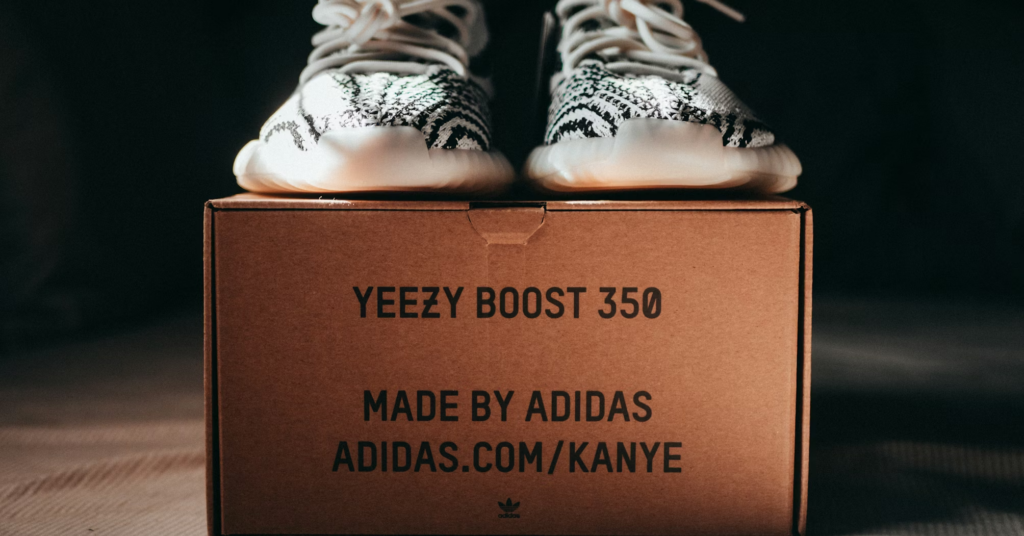
Image source: https://unsplash.com/photos/white-and-black-converse-all-star-high-top-sneakers-5Nmy7kGahpE
The footwear brand Adidas has generated over $2 billion in annual revenue through its partnership with Kanye West and Yeezy. However, the decades-long collaboration imploded after West made a series of antisemitic and offensive remarks on social media in 2022.
The brand lost billions in sales upon terminating the lucrative partnership and was left with a massive inventory of co-branded products. The shoes were eventually sold, with a percentage of the proceeds going toward groups combating hate speech. Adidas-branded Yeezys are no longer being manufactured.
Adidas’s slow response to the ordeal also damaged its reputation. A YouGov poll found that 37% of Adidas consumers in the U.K. felt the company moved too slowly to terminate its partnership with West. This demonstrates why companies must be proactive in their partnerships and in how they respond to controversy.
Actionable Lessons for a Stronger Brand
From impulsive rebrands to misguided campaigns and PR stunts, large brands are not immune to marketing mishaps. A successful rebrand involves adjusting existing methods while maintaining the core of the organization. Here are some key lessons to be learned from branding failures:
- Respect your core identity: Campaigns, partnerships, and other promotions should be aligned with a brand’s core values and goals.
- Listen to your audience: Consider your brand’s consumers by focusing on what resonates most with their values and interests.
- Always prioritize authenticity: While building a respected brand takes time, eroding trust can happen in an instant.
- Choose partnerships wisely: Be thoughtful when selecting other brands or individuals to promote or represent your brand.
- Remain forward-thinking: If a marketing mistake is made, acknowledge it, learn from it, and work toward doing better next time.
Building a Resilient and Authentic Brand
Brand evolution must be anchored in your core values and target audience. Business owners, designers and marketers can learn about thoughtful brand management by studying marketing failures. The most enduring brands are those that are committed to their promise in everything they do.


Leave a Comment