




In This Article
AI web design tools handle layout generation and content support, enabling faster production and more scalable workflows. However, even with this level of automation, human creativity remains essential for bringing emotional intelligence and real-world understanding into web experiences.
Authentic Brand Storytelling Turn Visitors Into Customers
According to a 2026 study, AI has become deeply embedded in design workflows, with 91% of designers using AI tools at least weekly. Even as adoption accelerates, web design still depends on human creativity for creating a meaningful and memorable brand identity.
Every business has a unique story and vision that distinguishes it from competitors. Effective web design translates these brand elements into visual experiences that resonate with target audiences. Authentic storytelling gives a website its personality and coherence. It ensures that design decisions are visually consistent and align with a brand’s purpose and positioning.
Emotional Connections Create Memorable Websites
The most memorable websites evoke emotions. Whether a business wants visitors to feel trust, excitement, inspiration or confidence, emotional design plays a critical role in shaping user experience. While AI can analyze user behavior and recommend optimizations, it cannot understand emotions in the same way humans do. Only designers can use empathy and creativity to create experiences that connect with people on a deeper level. These emotional cues influence whether a visitor stays, explores further or converts.
For example, a financial services website might use calm colors, reassuring language, and soft visual cues to reduce user anxiety during sign-up. These subtle emotional decisions come from human understanding of how people behave when making high-stakes decisions online.
Human Experience Guides Designs for Real-World Behavior
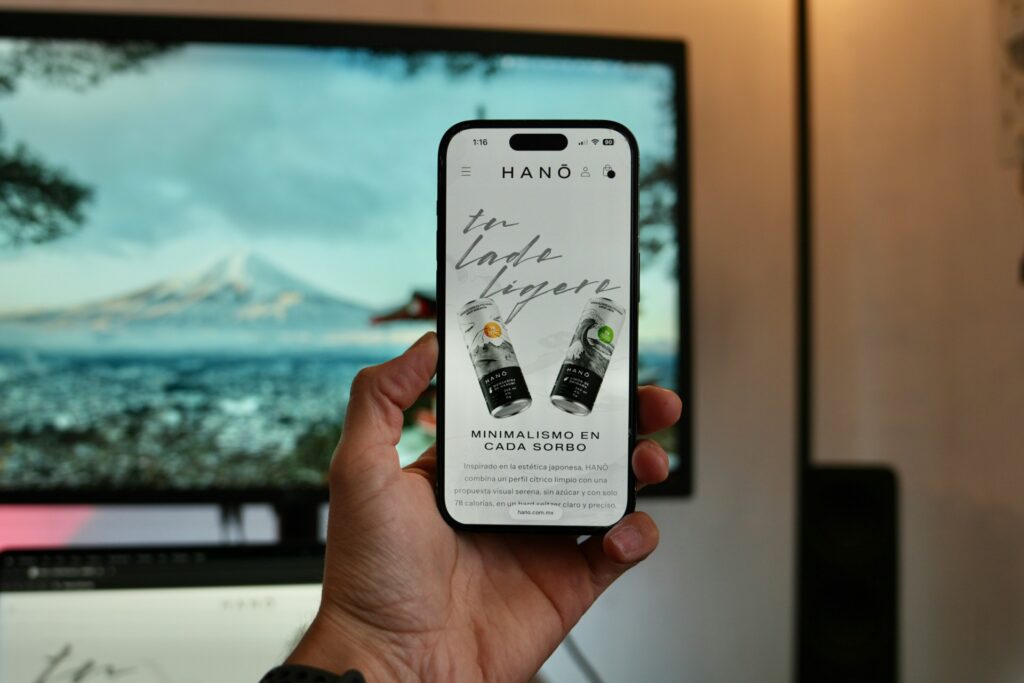
Everyone uses screens differently, from how they hold their phone to how they scan and navigate content. Even small details like the placement of buttons can shape how easy or comfortable a website feels.
For example, left- and right-handed users often reach for different areas of the screen. Placing key actions in awkward positions can slow users down or make the experience less intuitive, sometimes without their awareness. Designers can effectively address these patterns by drawing on experience and observation, ensuring that layouts, navigation and interactions are comfortable and natural for different users.
Original Ideas Drive Innovation and Differentiation
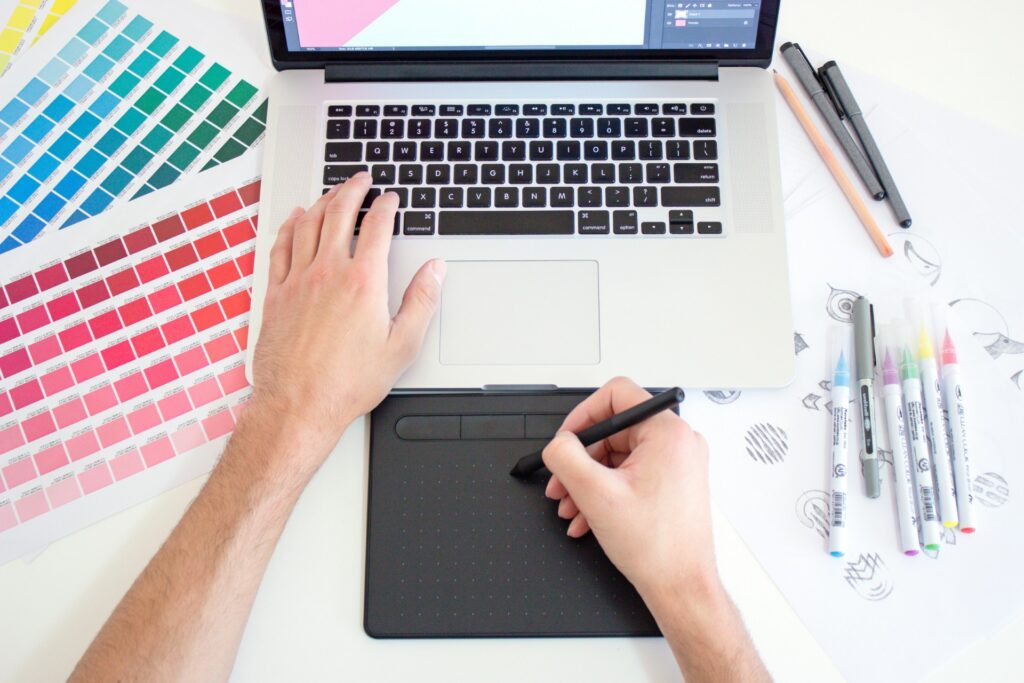
AI readily generates variations on existing patterns, leading many landing pages to follow similar, AI-generated structures. However, it’s human creativity that brings direction, originality, and purposeful decisions to help brands truly stand out.
While advanced AI tools and automation are increasingly common, real innovation in web design comes from redefining conventions and exploring new approaches. For example, a SaaS company might break away from the usual template features in favor of a narrative-driven layout that guides users through a story.
How AI Fits Into the Web Design Process
AI fits into the web design process as a supportive tool that automates routine tasks and streamlines workflows. As a result, designers and marketers can spend more time on creativity, thoughtful decision-making, and improving the quality of their work.
Accelerating Design With Ready-Made Systems
AI tools can generate wireframes, layouts and full design systems in minutes, significantly reducing the time needed to move from concept to execution. For example, AI logo generator platforms like Looka provide access to more than 300 ready-made templates and complete brand kits. While the tool allows user businesses to establish a visual identity quickly, it still requires human input for further refinement.
Improving Data-Driven Optimization
AI systems analyze user behavior at scale to identify patterns that influence engagement, usability and conversion rates. These dataset are valuable, but they work best in tandem with human judgment to help teams make more informed design decisions based on real-world usage.
For instance, AI might reveal that users consistently drop off at a specific section of a page. While the data highlights the problem area, human interpretation offers deeper insight into whether the issue comes from messaging, layout or overall flow.
Automating Repetitive Tasks
AI is particularly effective at handling repetitive tasks such as resizing assets, generating content variations and supporting SEO. By taking care of these time-consuming tasks, it reduces production overhead and frees creative teams to focus on higher-level thinking, problem-solving, and innovation.
While these tools improve efficiency, human creativity is still essential for maintaining quality and handling ambiguity throughout the design process. AI-generated outputs can sometimes be inconsistent or contain errors, so teams need to validate accuracy, refine details and ensure everything aligns with the design direction. This quality control layer helps catch issues early and ensures the final experience is both reliable and well-executed.
How Businesses Can Balance AI and Human Creativity
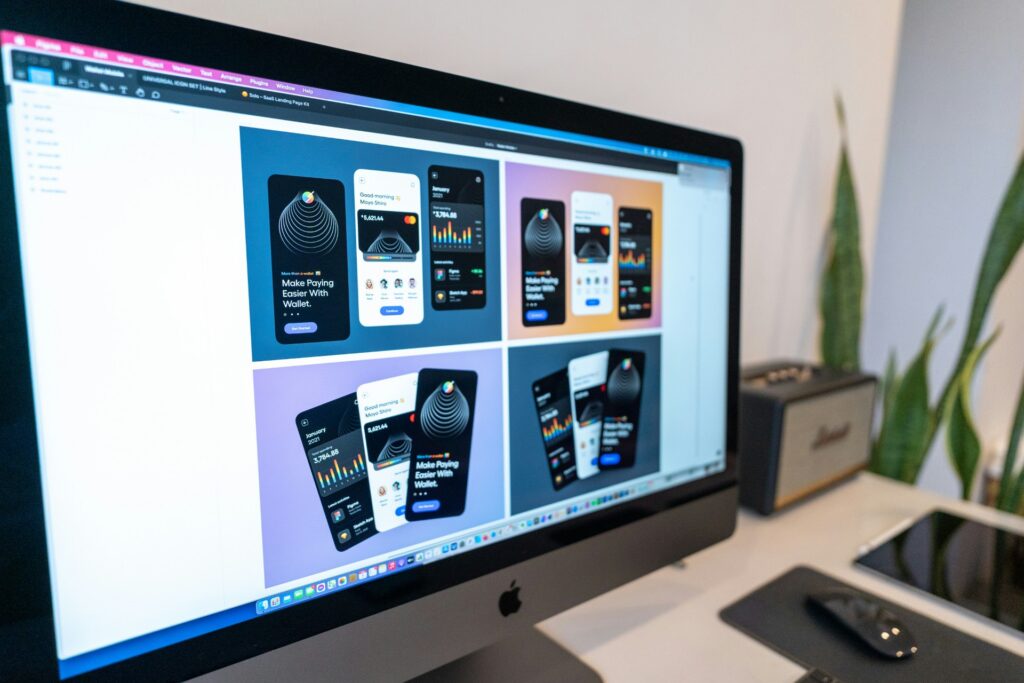
The most effective approach is a hybrid model where AI web design tools handle efficiency while humans guide creativity, strategy and final decision-making. AI can speed up execution, but human judgment ensures authenticity, clarity and trust.
Survey shows that consumer trust remains an important factor in AI-generated content. Around 70% of consumers express concern about AI-generated product descriptions, while 58% are cautious about chatbot-driven customer interactions. These concerns highlight the importance of maintaining human oversight in key brand and communication touchpoints.
The most effective results come from keeping creative direction firmly in human hands with AI supporting the process. For example:
- Using AI to speed up early-stage ideas, then refine them with human-led creative direction to ensure the outcome reflects design intent clearly.
- Treating AI-generated layouts as starting points to explore possibilities before applying strategic design thinking and user-focused adjustments.
- Keeping brand voice and messaging consistent through human review and editing, ensuring tone and personality are not lost in automated content.
- Using data insights from AI tools to guide improvements, balancing performance signals with real-world context and business priorities.
- Combining automation with manual testing to ensure usability and clarity, making sure designs work smoothly across different devices and user behaviors.
- Prioritizing real user needs, focusing on long-term usability and meaningful experiences.
Bringing AI Efficiency and Human Creativity Together
AI web design is transforming digital experiences, making production faster and more accessible across industries. However, human creativity remains essential because it connects design to real human behavior, emotional response, strategic goals and lived experience. Combining AI design with a human touch leads to websites that perform better and resonate more deeply with users.


Leave a Comment