




Every business needs a brand identity, no matter its size. If you don’t know where to start, look at iconic brands for inspiration. From Apple’s ecosystem to Barbie’s hot-pink empire, these companies have made strategic branding decisions that transformed their logos into cultural symbols. You can draw valuable lessons from their branding decisions.
7 Examples of Brand Identities Done Well
Take a look at the strategic branding decisions behind these seven iconic, well-known brands.
1. Apple
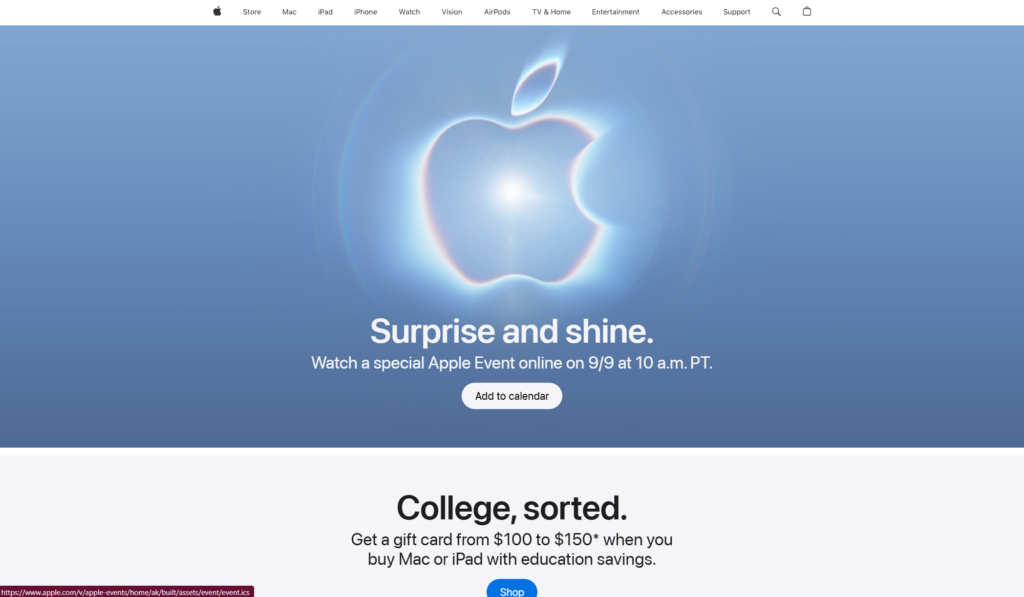
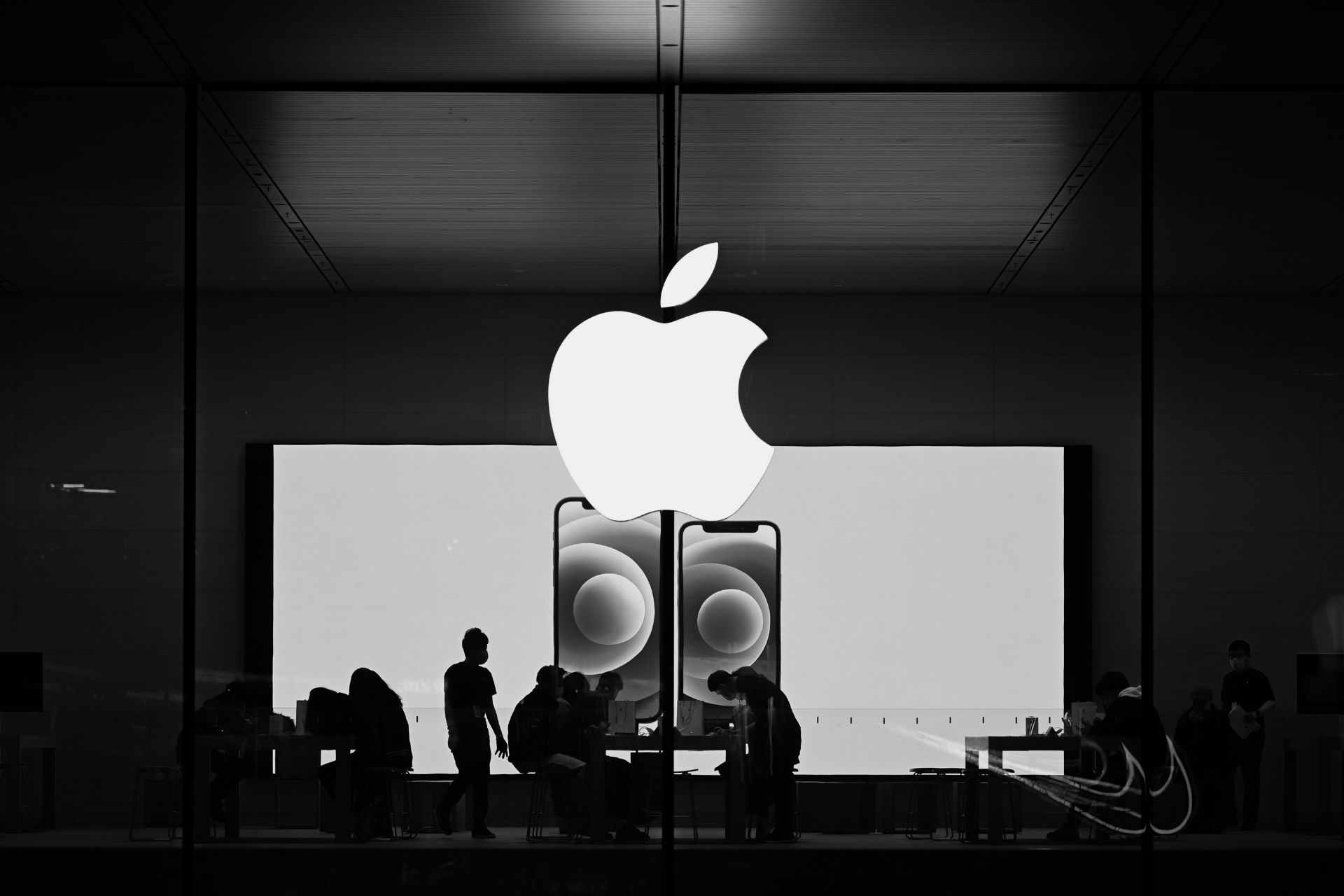
Apple has built an entire brand ecosystem and lifestyle association. It’s not just about the logo, but what it means to be someone who owns an iPhone rather than an Android, Nokia, or Google Pixel. The brand represents innovation, simplicity, and status.
2. Barbie
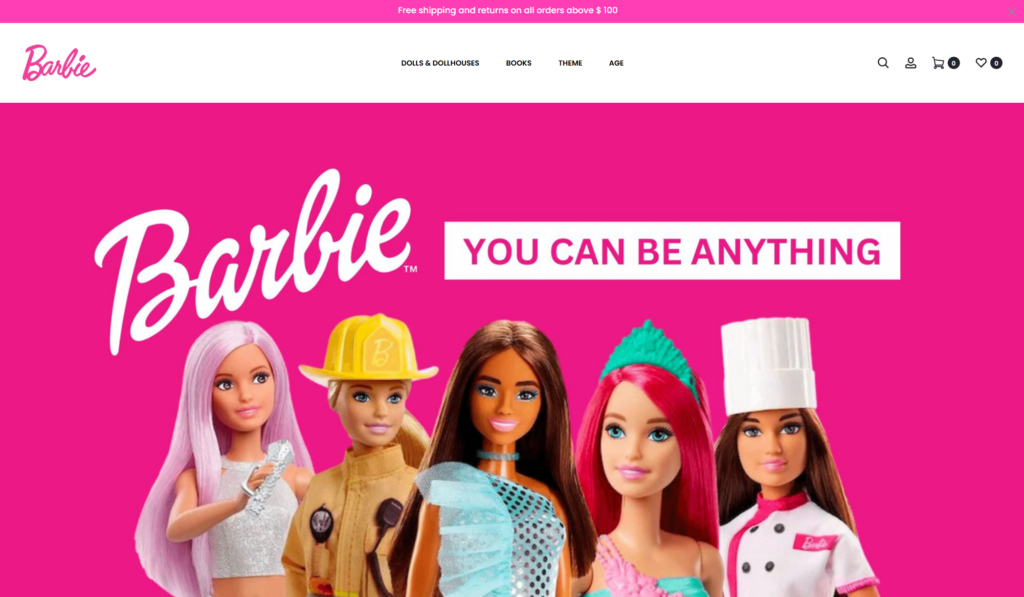
The Barbie movie was such a cultural moment because the Barbie brand represents something greater than a children’s toy. Since its inception, the doll has stood for empowerment, representation, and limitless potential. Being a “Barbie girl” means valuing friendship, girlhood, and self-confidence. The recognizable color, typeface, and cultural representation have made this brand instantly identifiable.
3. Tiffany & Co.
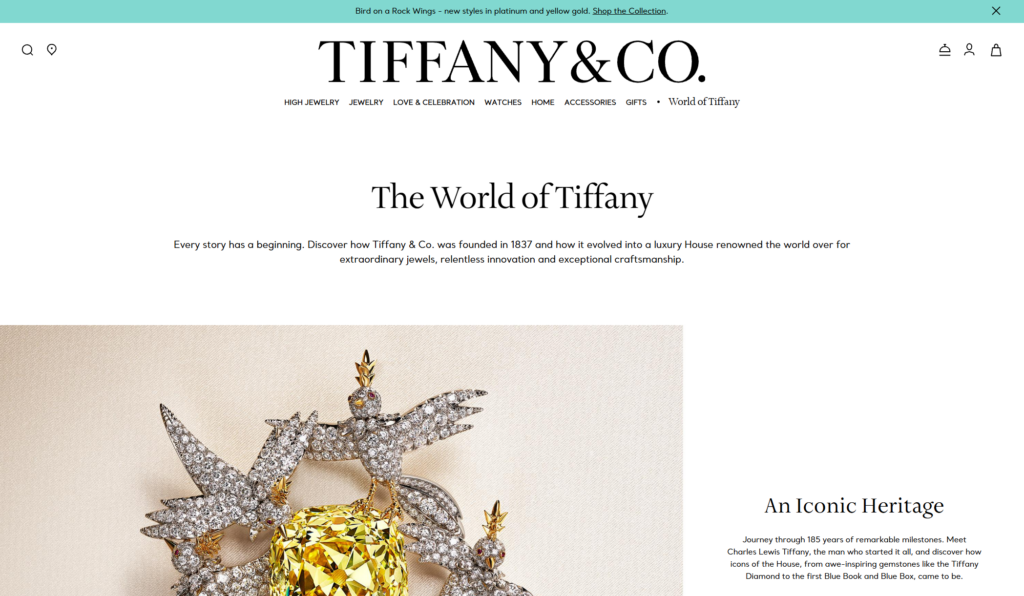
Tiffany & Co. has built its reputation on a luxury association and an iconic blue box. The distinctive shade known as Tiffany blue is trademarked and legally protected as a brand asset. The moment someone sees that distinctive shade, they know exactly what it represents: elegance, romance, and premium quality.
4. Coca-Cola
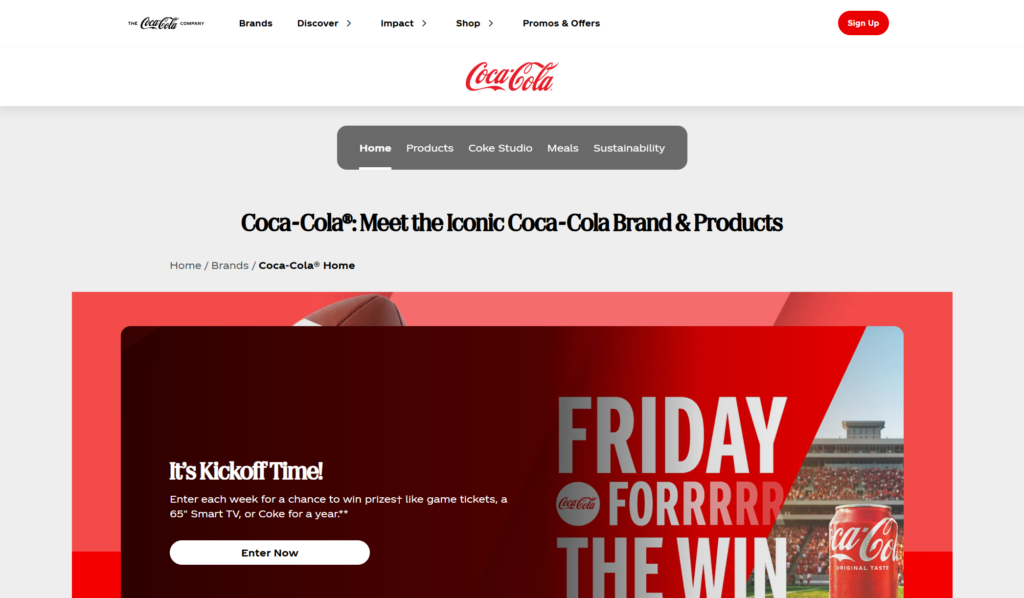
Coca-Cola’s classic red color and script font have remained consistent for over a century. This consistency has made the brand recognizable across generations and cultures, proving that a strong visual identity withstands the test of time.
5. Netflix
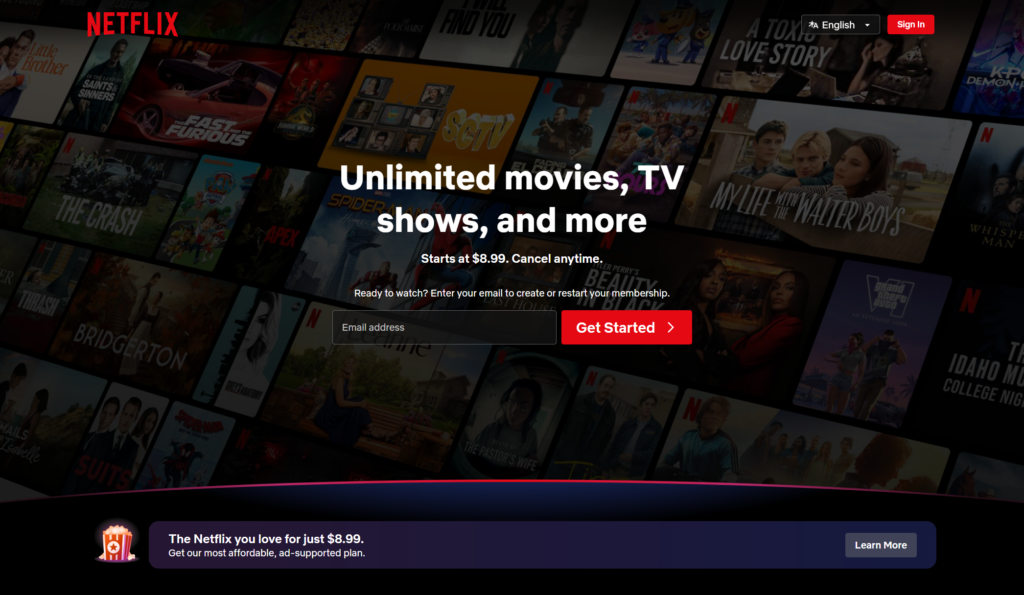
Netflix has mastered audio and visual branding with its iconic sound and visual opening. The simple “ta-dum” sound has become so embedded in popular culture that it signals relaxation and entertainment before any content even begins.
6. Xbox
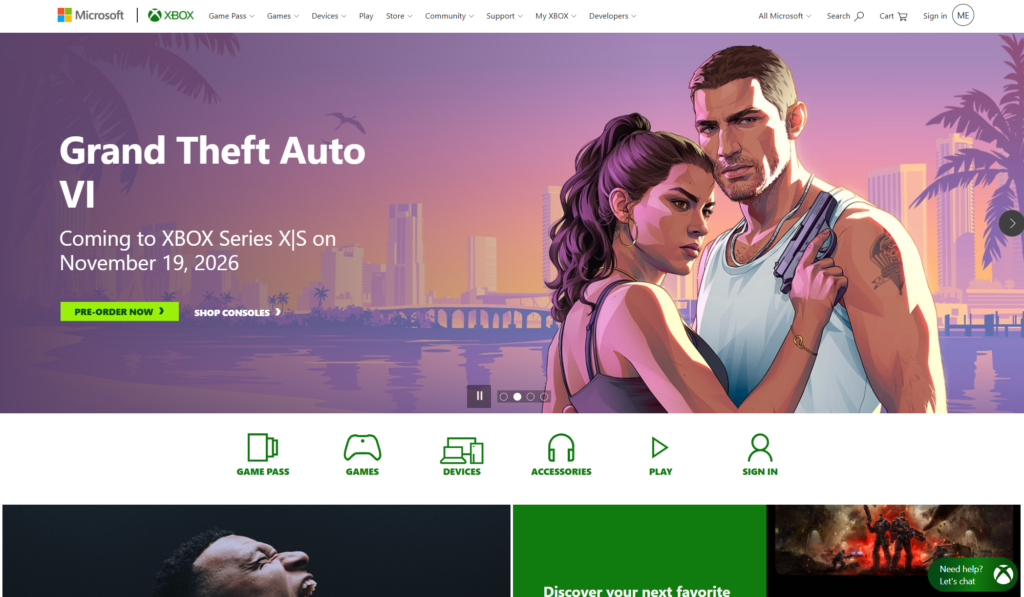
The neon-green color and “X” logo that define Xbox are so recognizable that the company has been able to release limited-time collaborations with jewelry, furniture, and purse makers. Even though the Xbox and PlayStation run many of the same games, brand differentiation sparked the “console wars,” in which consumers were judged by which company they were loyal to.
7. Mitsubishi
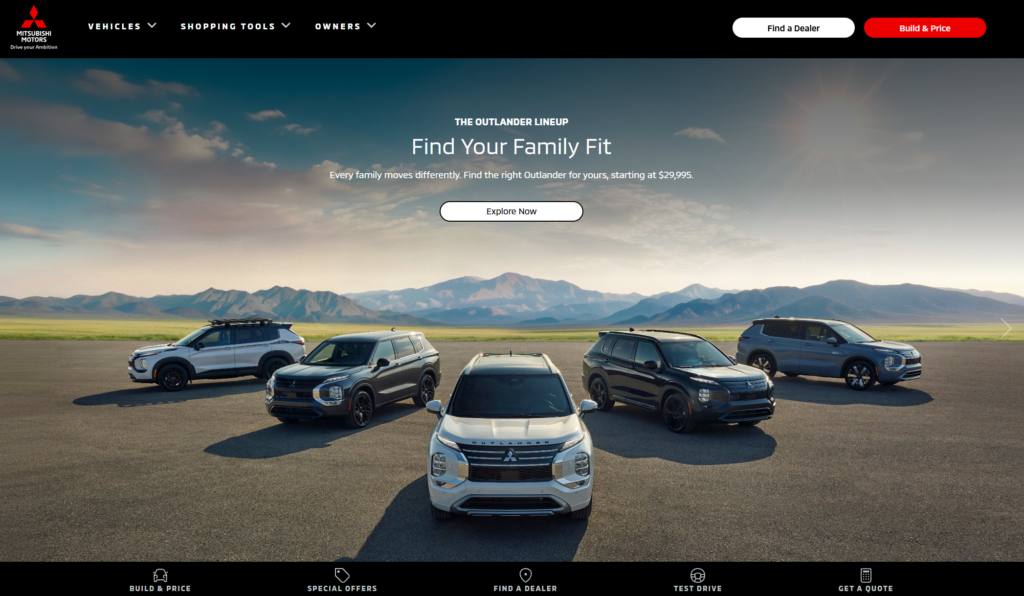
Mitsubishi’s iconic logo stems from traditional Japanese family crests used to identify a lineage or clan. The Yamauchi family crest depicts three oak leaves, while the Iwasaki family crest represents a three-tiered water chestnut.
The name “Mitsubishi” is a combination of the words “mitsu,” meaning three, and “hishi,” meaning “water chestnut.” The company name literally translates to three diamonds in Japanese, which is how founder Yataro Iwasaki created the now-iconic logo. By uniting a 150-year-old samurai heritage with luxury-focused car design and the minimalist Japanese corporate world, this brand identity has carried the company through the decades.
What You Can Learn From These Iconic Brands
These massive companies share overarching themes that apply to organizations of any size. Design consistency allows brands to become instantly recognizable across all touchpoints. Whether it’s a color, font, or visual element, repetition builds familiarity and trust with audiences.
Deep emotional connections transform customers into advocates. When a brand represents values, aspirations, or identity beyond its products, it creates loyalty that transcends price comparisons. People don’t just buy from these brands — they align themselves with what these companies stand for.
Distinct visual assets serve as shortcuts to brand recognition. A trademarked color, unique logo, or signature sound can communicate brand identity in seconds. These elements work together to create a cohesive system that reinforces the brand with every interaction.
How Small Businesses Can Make a Big Impact
Brand identity isn’t reserved for multinational corporations. Small businesses can create equally powerful brand recognition by staying true to their identity and strategically executing an authentic, creative vision.
Fourth Wave Wine
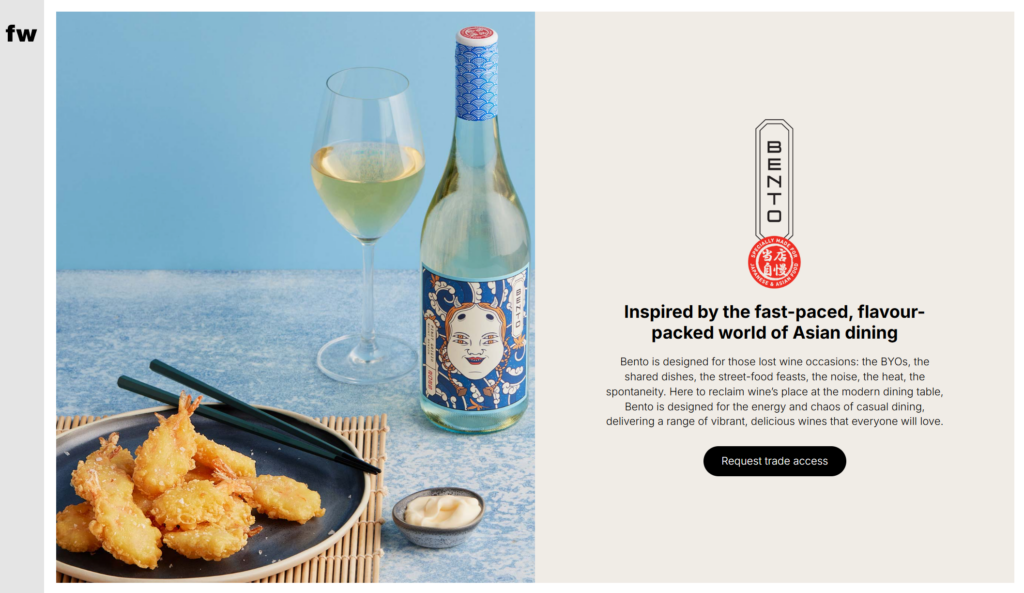
Fourth Wave Wine’s Bento Cans were designed around Japanese-inspired flavor combinations, including lychee raspberry, fuji apple, and sour cherry. As homage to the culture, the bottles’ designs incorporate vertical typography, traditional Japanese ceramic patterns, and a red stamp often used in Japanese restaurants. When consumers look at this packaging, they are reminded of Japan’s rich history.
The design execution demonstrates how cultural storytelling can elevate a product, and the Bento line uses Japanese aesthetic elements to create instant recognition.
The Mill Coffee & Tea
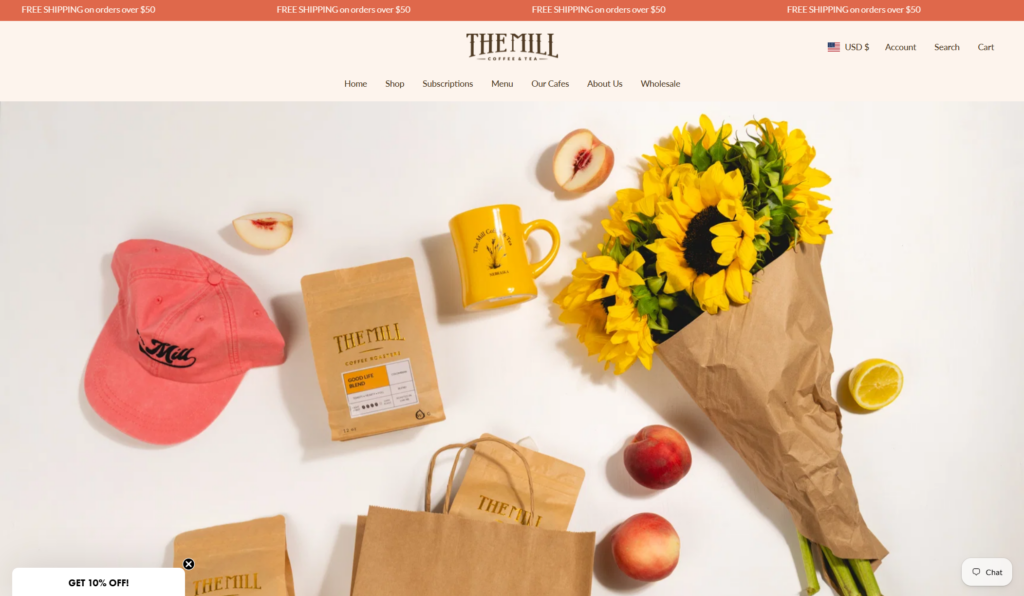
The Mill Coffee & Tea is a small-batch coffee roaster, tea house, and espresso bar based in the Midwest. What started as a local bike shop serving hot coffee on cold days has grown into a beloved local brand.
Tea leaves are stored in glass jars, and patrons sit near greenery and natural light. While the branded merchandise features a variety of typefaces and designs, each mug, sticker, and sweatshirt feels like part of a set because the company has cultivated such a strong brand identity through consistent aesthetic choices.
Evrgreen Clothing
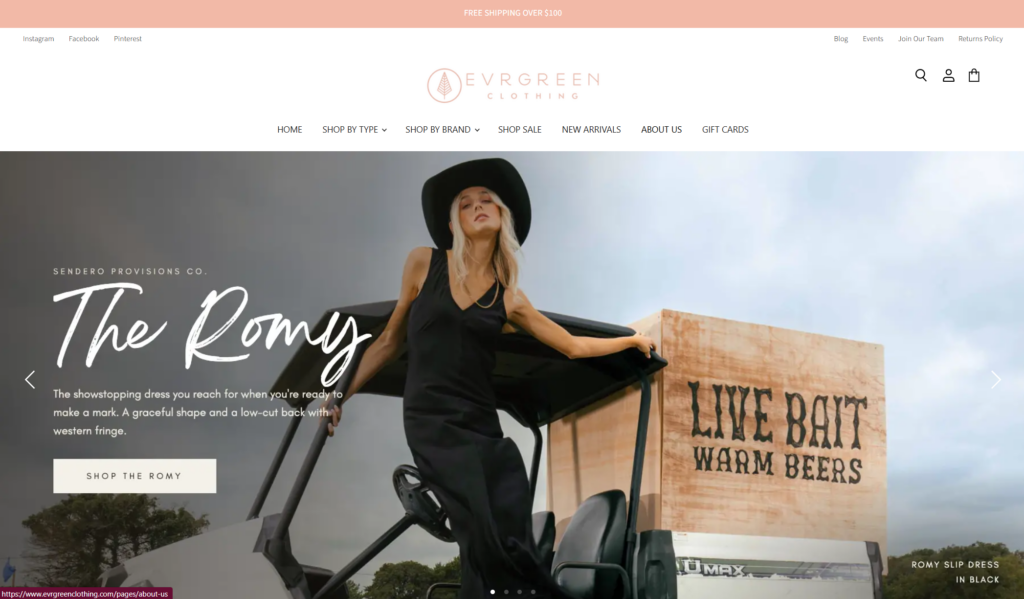
Evrgreen Clothing prides itself on selling quality women’s clothing. This Montana-based brand defines itself by Western influences, midcentury modern decor, and local art. Its physical locations and social media presence give off an air of luxury with a hometown touch.
The branding is minimalist and toned down, letting the clothing speak for itself. When consumers see a high-end featured brand, they subconsciously associate that company with this one, creating a symbiotic brand ecosystem.
Using Brand Archetypes to Find Your Identity
Over a century ago, psychologist Carl Jung developed a set of common personality archetypes that he believed were innate, passed down from parents to children. As such, they transcend time and culture.
Here are the 12 archetypes:
- Creator: Innovation and originality. You are expressive and use creativity to solve consumers’ problems.
- Innocent: Safety and simplicity. You promote honesty, loyalty, and a glass-half-full outlook on life.
- Ruler: Control and leadership. You project power, status, and strong leadership that customers can trust.
- Caregiver: Service and nurturing. You protect and provide compassion, making customers feel cared for and supported.
- Everyman: Belonging and dependability. You are down-to-earth and trustworthy, helping customers feel right at home.
- Jester: Enjoyment and humor. You bring playfulness and fun, making customers smile and enjoy the moment.
- Magician: Transformation and power. You make dreams come true and help customers transform their reality.
- Outlaw: Liberation and disruption. You challenge the status quo and give customers permission to break the rules.
- Explorer: Freedom and adventure. You inspire customers to discover new experiences and embrace independence.
- Sage: Understanding and expertise. You provide knowledge and wisdom, helping customers make informed decisions.
- Hero: Mastery and courage. You motivate customers to overcome challenges and achieve their goals.
- Lover: Intimacy and connection. You create indulgent experiences that fulfill desires and build emotional bonds.
Do you want your company to provide structure, connect people, offer meaning, or leave a legacy? These archetypes help businesses maintain a consistent, relatable personality across all channels.
Questions to Ask When Building a Brand Identity
Building a brand identity requires introspection and strategic thinking. These questions guide small businesses through the process of defining who they are and how they present themselves to the world.
What Makes Your Brand Instantly Recognizable?
Visual elements like logos, color palettes, and typography make a brand stick in consumers’ minds. Research shows that 55% of first impressions are based on what people see, meaning visual brand identity is crucial for making an immediate impact.
Do the Founders Have a Story to Tell?
Your brand identity includes your logo, color palette, typeface, tagline, packaging, and imagery. However, it is more than the sum of its parts. Each element is a part of your company’s story, the narrative that shapes your mission, marketing, language, visuals, and customer experience.
Sharing a genuine founder story or company origin builds trust and an emotional connection with your target audience. Are you a local business that relies on your community? Did you overcome adversity to make it where you are today? Were you impassioned to create a difference? Are you just here to have fun? Consumers will want to know.
Research shows 86% of consumers agree authenticity is the most essential part of supporting and connecting with a brand. However, most people feel that less than half of companies create content that feels real. This gap presents an opportunity for those willing to share their stories.
If Your Brand Had a Personality, What Would It Be?
How can your brand have an identity without a personality? People need something to connect and relate to, something that sets you apart from the thousands of other businesses offering the same products and services.
Think back to Jung’s archetypes. Which one, if any, would you pick? This practice can help you maintain a consistent, relatable personality across all channels.
How Does Your Brand Make Customers Feel?
Strip the marketing away. What do people actually get out of doing business with you? Do they genuinely enjoy your products? Does your service feel genuine in a sea of LLCs?
Picture a small, local shop downtown that sells small-batch, gourmet-quality craft coffee. It gets away with selling expensive drinks and overpriced merchandise because its brand identity makes purchasing something an experience, not a transaction. Wearing a branded hoodie or holding a cup with the logo facing out suddenly says something about you, your tastes, and what you’re like as a person.
Only You Can Find a Brand Identity That Fits
The best branding tells a story that no one else can tell. While you can draw inspiration from iconic brands and archetypes, your ultimate identity must be unique and authentic to your specific mission.

Leave a Comment