

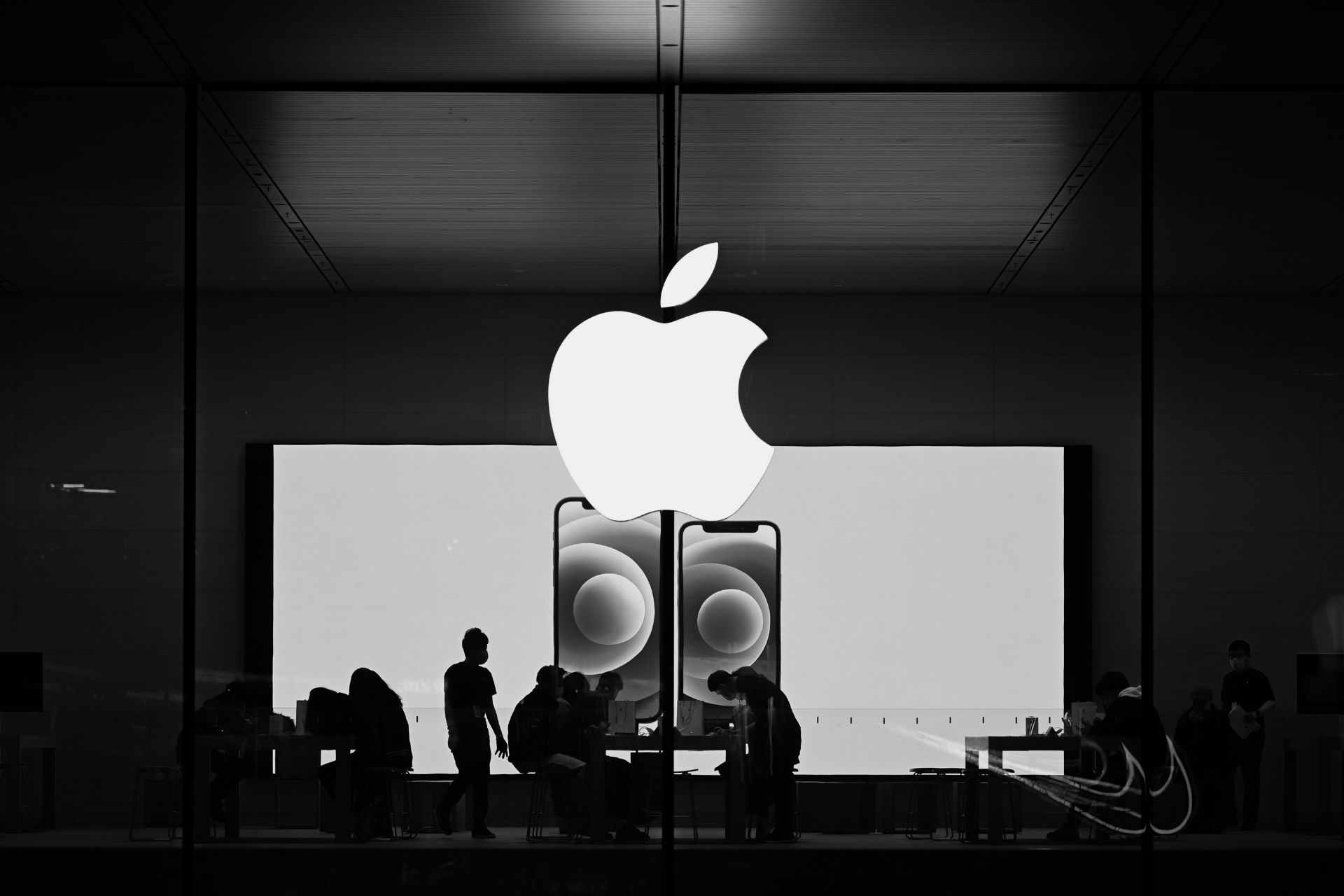

Apple builds some of the most polished products on the market, yet its effort to deliver a smarter Siri has stumbled through delays, leadership changes and researcher departures. Business leaders can learn from Apple’s AI challenges because the same pressures show up in smaller companies. You can use these lessons to set realistic expectations and help your team adapt as AI reshapes their work.
Apple’s Multiyear Struggle to Ship a Smarter Siri
Apple’s promise of a smarter Siri has repeatedly collided with engineering reality. As TechSpot noted, Apple has again delayed parts of its long-awaited Siri overhaul as technical challenges mount. February 2026 reporting indicated that these problems could push planned Siri upgrades beyond iOS 26.4 into later updates.
Reports described three trouble spots in internal testing:
- Stalled requests: Siri reportedly stalled on complex queries and answered some prompts too slowly.
- Misread instructions: The assistant misinterpreted some commands and handled multistep tasks poorly.
- Borrowed answers: Siri fell back on ChatGPT even though Apple’s own models were available.
Apple has since moved ahead. It began rolling out Siri AI as an English-language beta with iOS 27 on September 14, 2026, with availability restrictions by region and device. Even so, the beta arrived after earlier release targets slipped, which shows how wide the gap between a promising demo and a dependable tool can be.
What You Can Learn From Apple’s Delayed AI Rollout
Apple’s experience points to four safeguards any small team can apply before launching an AI tool:
- Test on real tasks: Try the tool on jobs your customers actually need done before you publicly promise what it can do.
- Start with a pilot: A limited rollout lets you resolve reliability problems before more people depend on the tool.
- Check your team’s readiness: Review skills and training budgets before you set a launch date. A Bipartisan Policy Center survey found that 48% of small-business owners and executives worried about employees’ digital skills, and 46% worried about training costs.
- Let results set the schedule: Base your timeline on demonstrated performance and leave room to fix what testing uncovers.
The Power Struggle Behind Apple’s AI Leadership Shake-Up
Apple also changed who runs Siri. Reuters, citing Bloomberg, reported that Apple reassigned Siri oversight from John Giannandrea to Mike Rockwell, who would report to software chief Craig Federighi. The shake-up followed months of delays, and the report said CEO Tim Cook had lost confidence in Giannandrea’s product execution.
What You Can Learn From Apple’s Leadership Confusion
Designate one person to own your AI rollout and give that person clear authority to resolve competing priorities. Define how they’ll coordinate with the employees who implement and use the technology.
Explain changes in responsibility, so your team knows where to raise concerns and get decisions made. WTW’s Suzanne McAndrew, Global Leader of its Employee Experience business, says getting the human experience right can help turn AI-driven disruption into lasting competitive advantage.
Apple’s Growing AI Talent Exodus
Apple’s AI challenges now extend to the people building its technology. The company has lost at least four more of its artificial intelligence researchers, Business Standard reported, including Yinfei Yang, Haoxuan You, Bailin Wang and Zirui Wang. Senior Siri executive Stuart Bowers also left.
The same report said Apple has lost well over a dozen AI researchers in six months, with some heading to Meta and Google DeepMind. It also linked some employee dissatisfaction to Apple’s decision to use external AI technology, raising concerns about the future of its internal research.
What You Can Learn About Retaining Your AI Talent
Involve employees throughout AI adoption and explain how strategic changes affect their roles, so they feel like vital parts of the rollout. According to Segal, an AI consulting firm for HR and benefits operations, AI adoption must be a people-centric process. Its resource says, “To ensure successful integration of AI at your organization, prepare and engage your people.”
Gallup found that active manager support strengthens AI adoption:
- Frequent use: Employees with supportive managers are 2.1 times as likely to use AI at least a few times a week.
- Usefulness: They are 6.5 times as likely to find their organization’s AI tools useful.
- Better work: They are nearly nine times as likely to say AI gives them more chances to do what they do best.
- A support gap: Only 28% of employees strongly agree that their manager actively supports the use of AI.
Mercer’s research finds that real engagement does not come overnight or from a single training, so give your team time, space and ongoing education. Specialized support from AI consulting firms for HR and benefits operations may also help you address retention concerns during the transition.
Apple’s Shift to Outside AI Expertise While Maintaining Privacy Standards
Apple turned to Google’s Gemini technology to support the next generation of Apple Foundation Models. Business Standard also reported that Apple chose to outsource some AI technology to Google, which is helping build core models for new features.
In their January 2026 joint announcement, the companies said Apple Intelligence would continue running on Apple devices and Apple’s Private Cloud Compute system while maintaining Apple’s privacy standards. Apple said it judged Google’s technology the most capable foundation for those models after careful evaluation.
What You Can Learn About Balancing Values and Speed in AI Adoption
Define which privacy protections and quality standards your business must keep before you choose AI tools. Outside expertise can fill capability gaps while you meet those standards, so evaluate each potential partner’s handling of customer data alongside its tool’s performance.
Then measure results against business goals. Aon’s Puneet Swani, Head of Talent Solutions for Asia Pacific, says, “Make productivity gains, not tool usage, part of goals.”
Apple’s AI Shortfalls Are Shaking Investor and Market Confidence
Apple’s AI setbacks have raised questions about its ability to stay competitive despite a strong core business. The same Business Standard report connected concerns about its AI progress to a stock slump, even as iPhone sales topped $85 billion in a quarter. Strong sales may soften the blow, yet repeated missed promises still carry a reputational cost.
What You Can Learn About Protecting Credibility During AI Rollouts
Keep your public claims aligned with proven AI capabilities so customers can trust what you promise. When delays occur, communicate them early and explain how you’re resolving the issues without offering untested assurances.
Build change management into your rollout, too. Research from the Society for Human Resource Management (SHRM) found that HR professionals at organizations that follow change management best practices were 2.6 times more likely to report successful AI outcomes. Share measurable progress and take responsibility when results fall short to protect stakeholder confidence.
Turning Apple’s AI Stumbles Into Your Competitive Advantage
Apple’s AI challenges show that a successful rollout takes more than deep resources. The lessons give you a practical way to build an advantage by supporting your employees and assigning clear responsibility for AI decisions.
A focused rollout with realistic promises can help you deliver useful improvements while protecting customer trust. Start with one practical AI use case, then expand as your team demonstrates reliable results.

Leave a Comment