




In This Article
Listicles have earned a lasting place in digital content because they make information easy to digest. Readers can quickly scan options and find useful answers without reading an entire article. For publishers and small businesses, the format also offers a simple way to organize information. However, artificial intelligence (AI) search is changing this familiar relationship. Search engines can now summarize multiple sources before readers visit individual websites.
Does a traditional listicle still provide enough value when AI can create a similar list within seconds? The answer may depend on what publishers add beyond basic information. Original insights and firsthand experience can give readers reasons to explore the full article. As AI-driven discovery grows, publishers may need to rethink how they create listicles rather than abandon the format altogether.
Why Listicles Became an SEO Staple
List-based content became popular because it gives publishers a simple structure for presenting several ideas or recommendations. Numbered sections also make articles easier to scan, allowing readers to compare options without moving through long blocks of text. For businesses, the format offers SEO advantages as well. Listicles can naturally incorporate relevant keywords and internal links, while individual sections can address related searches.
This structure works especially well for searches with clear comparison intent. Someone searching for the “best logo design tools” or “top accounting software for small businesses” likely wants several options in one place. A listicle can provide those choices while explaining what separates them. Still, the list itself only provides the framework. Its real value depends on the depth and usefulness of the information within it.
AI Search Changes What Happens Before the Click
AI search changes the path people take to find information online. Instead of moving from a search query to a results page and then to a website, users can receive synthesized answers drawn from several sources. These responses may include summaries and comparisons, reducing the need to open every page. Some research estimates that search generative experiences could cause organic sessions to decline by approximately 18% on average. However, the exact impact can vary by website and search behavior.
Generic listicles face particular pressure in this environment. When an article offers little more than names and short descriptions, AI can summarize much of that information directly within search results. That creates a challenge for small businesses and marketers that rely on organic traffic to build awareness, generate leads and support sales. To earn the click, list-based content needs to offer something a short AI summary cannot fully provide.
What Makes a Listicle More Valuable in AI Search?
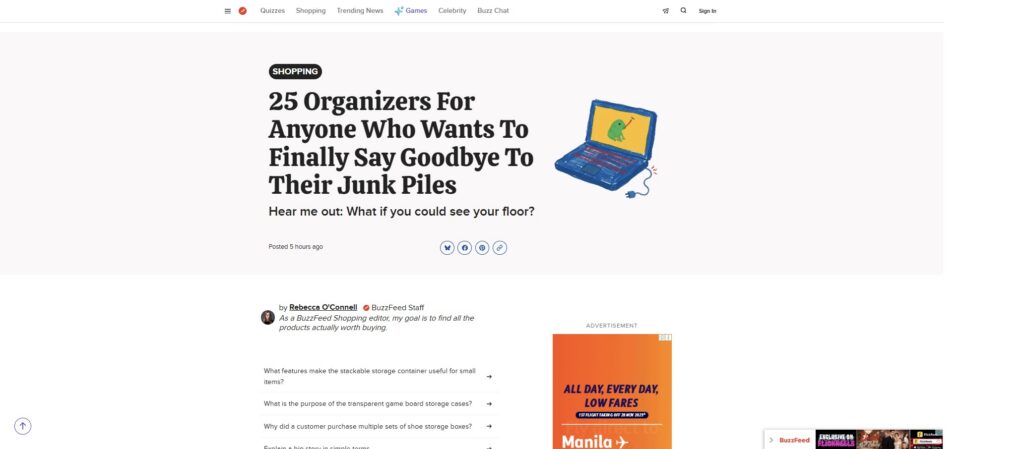
Listicles can still earn attention in AI search when they offer more than information gathered from other sources. Publishers can strengthen the format by adding original insights, useful context and clear distinctions between recommendations.
Clear Selection Criteria
A strong listicle should explain why each product, service or brand earned a place on the list. Without clear criteria, readers may struggle to understand whether the recommendations reflect careful evaluation or simply fill space. Publishers can define factors such as price, target audience, capabilities, usability and design quality before comparing their options.
Transparent selection criteria also make comparisons more useful. Readers can see which factors influenced each recommendation and decide whether those priorities match their own needs. This approach gives the list more substance than a basic collection of names and descriptions.
Specific Comparisons Instead of Generic Praise
Generic descriptions such as “great for small businesses” tell readers little about who would actually benefit from a recommendation. A stronger listicle identifies the businesses or use cases each option suits and explains why. It should also discuss trade-offs alongside strengths to give readers a clearer picture of what they gain and sacrifice with each choice.
Listicles that just repeat marketing slogans or have vague ranking systems aren’t very useful for readers, whether they’re human or AI. Content becomes more useful for citation when it evaluates options rather than simply describing them. Concrete details about features, limitations, costs or use cases can help readers distinguish between similar choices. With that added context, the listicle becomes a decision-making resource rather than a simple directory.
Scannable Structure and Clear Context
A useful listicle should make each recommendation easy to understand at a glance. Descriptive headings can communicate what an item offers more effectively than numbers alone. Important details, including ideal use cases and distinguishing features, should also appear close to each recommendation. Tables, bullets and consistent formatting can make comparisons easier when readers need to evaluate several options.
List posts often aim to be comprehensive, which can make them long and difficult to navigate. When a topic requires deeper explanation, publishers can direct readers to a separate resource instead of overcrowding the listicle. They should also avoid repetitive descriptions added to increase the article’s length. Strong information architecture keeps the content scannable for readers while giving search systems clearer context about each item.
Listicles Should Answer the Questions AI Summaries Cannot Fully Resolve
Modern listicles can provide more value by helping readers make decisions instead of simply ranking options. Writers might organize recommendations around specific use cases, such as “best for small teams” or “best for designers managing client approvals.” This approach also reflects changing search behavior. Google searches with more words, questions or full sentences tend to generate AI summaries more often, making deeper answers important.
Each recommendation can address questions that a summary may leave unresolved. Who should choose the option, and who should avoid it? What compromises come with the choice, and how does it compare with the closest alternative? Answering these questions gives readers practical context for making a decision. It can also give them a stronger reason to visit the source after receiving an AI-generated overview.
How Small Businesses and Marketers Can Update Existing Listicles
Existing listicles do not always need a complete rewrite to remain useful in AI search. Small businesses and marketers can strengthen older content by improving its accuracy, depth and value for readers.
- Review outdated entries: Remove products or recommendations that no longer fit the list, and replace outdated information with current details.
- Explain the selection process: Define the criteria used to include and compare each option, such as price, usability, features or target audience.
- Strengthen comparisons: Explain how similar options differ in areas that matter to readers instead of repeating general product descriptions.
- Improve the structure: Use descriptive headings, bullets and tables where they make longer listicles easier to scan and compare.
- Link to deeper resources: Direct readers to supporting articles when a topic requires more explanation than the listicle can reasonably provide.
The Future of Listicles Is Less About Lists and More About Value
Listicles may be losing some of their traditional power as AI search reduces the advantage of simply collecting information already available elsewhere. However, structured lists can still help readers compare choices when publishers support recommendations with original analysis, evidence and useful context. Instead of producing another generic “10 Best” article, businesses can create resources that readers and search systems have meaningful reasons to reference.

Leave a Comment