

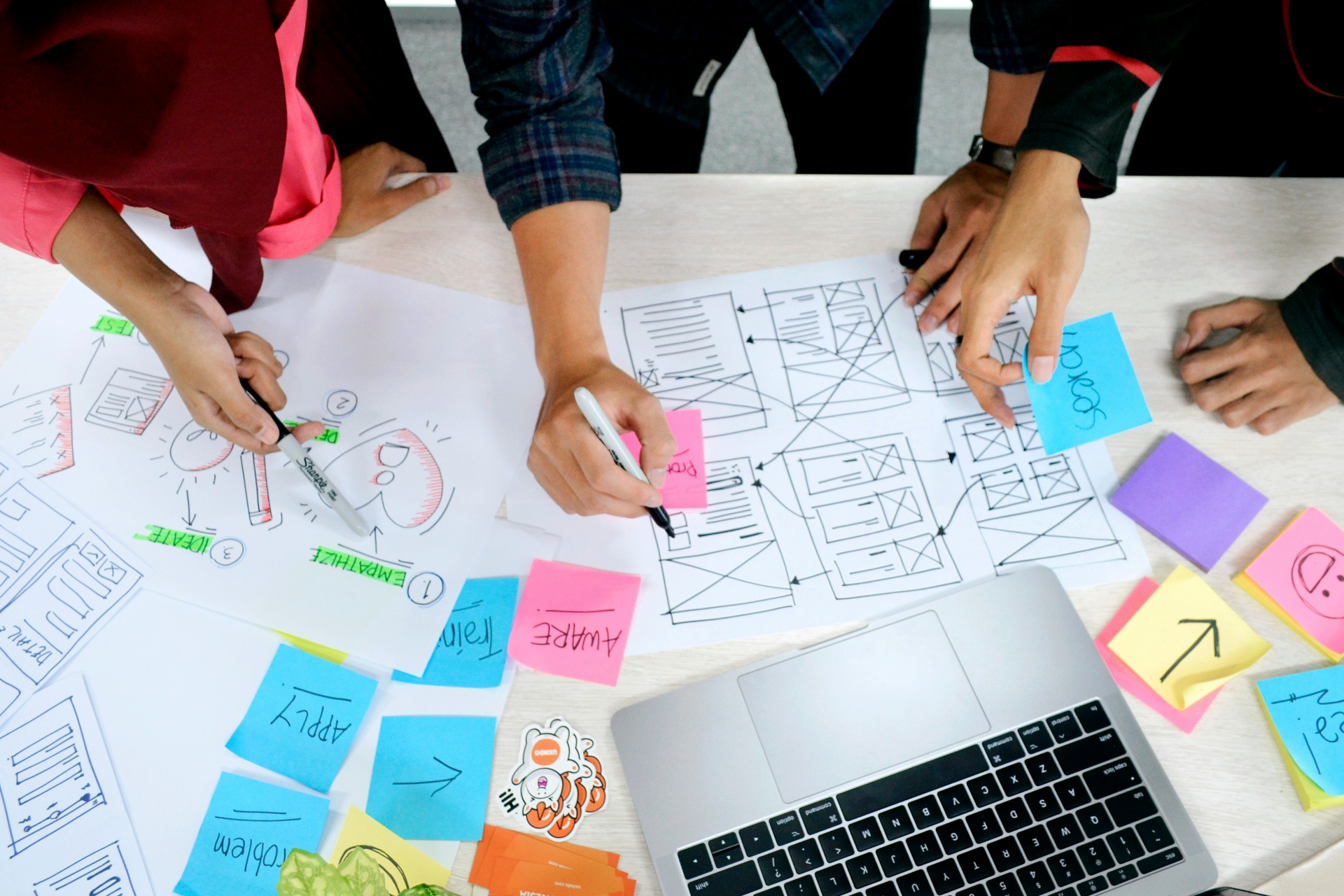


When you build products or marketing campaigns around real customer needs, you create experiences that resonate and deliver better results. You gain clearer insight into what your audience values, which makes it easier to solve meaningful problems and build lasting trust.
By adopting human-centered design, you can research user needs, test ideas early and refine your work with real feedback before launch. This approach helps you improve customer experiences and make more confident decisions throughout your workflow.
What Is Human-Centered Design?
Human-centered design puts the people using your product at the center of every decision. Instead of relying on assumptions, you use research and feedback to understand user behaviors and expectations. Its core principles include empathy, collaboration and evidence-based decision-making.
Unlike designing solely around internal opinions, putting users at the center requires understanding the real-world challenges and frustrations your users face and creating solutions that directly address them. For small and midsized businesses, this approach helps you build stronger customer relationships, reduce guesswork and deliver products and experiences that better meet user expectations.

Why Human-Centered Design Matters for Modern Businesses
When you understand the people you’re designing for, you can make decisions that create better experiences and stronger business results. A user-centered approach aligns your products and marketing efforts with real customer needs while supporting your organization’s long-term goals.
Create Better Customer Experiences
When you take the time to understand your customers’ preferences and pain points, you can create campaigns that feel intuitive from the very first interaction. Instead of asking users to adapt to your processes, you design experiences that match their expectations and remove unnecessary friction. This makes it easier for people to complete tasks, engage with your brand and recognize the value you offer.
According to PwC’s 2025 Customer Experience Survey, 29% of consumers say they stopped using a brand because of poor customer experience, either online or in person. When customers consistently have positive experiences, they are more likely to remain loyal over time. Strong customer satisfaction builds trust, and that trust becomes the foundation for sustainable growth.
Reduce Risk and Improve Decision-Making
Validating your ideas with real users early in the design process identifies usability issues before they become expensive problems. Making improvements during the research or wireframing stages costs less than fixing the same issues after your team has invested significant time, effort and money into high-fidelity prototypes. Early feedback also reduces the risk of launching products that fail to meet customer expectations.
At the heart of human-centered design is the practice of using customer feedback to guide decisions instead of relying on assumptions. When you understand where your audience encounters friction and how they interact with your solution, you can prioritize the features that deliver the greatest impact. These customer insights help you make more confident business decisions and allocate resources more effectively.
Encourage Cross-Functional Collaboration
When product teams work from the same understanding of customer needs, they can make decisions that support a shared goal instead of competing priorities. User research provides a common reference point that helps every team understand who they are designing for and what problems they need to solve.
Shared customer insights also reduce communication gaps by replacing assumptions with evidence. Instead of debating opinions, your teams can rely on real user feedback to prioritize features and refine messaging. This collaborative approach keeps projects moving in the same direction and helps you deliver more consistent results for your customers.

A Step-by-Step Process for Implementing Human-Centered Design
Putting users at the forefront of your workflow does not require you to overhaul your entire process overnight. By following a structured, user-focused process, you can make better decisions and create experiences that consistently meet customer needs.
Research Your Users
Strong human-centered design begins with understanding the people you are designing for. While surveys and analytics reveal patterns in user behavior, direct customer conversations through interviews or one-on-one discussions uncover motivations and unmet needs that basic analytics alone cannot capture.
As you collect feedback, focus on identifying your users’ goals and behaviors rather than validating your own assumptions. These insights help you understand why people make certain decisions and where they encounter obstacles. With a clearer picture of their experiences, you can create solutions that address real needs instead of perceived ones.
Define the Core Problem
After gathering user research, your team should organize the findings to identify recurring themes and common frustrations. These insights can then be synthesized into clear problem statements that define the specific challenges your solution should address. Well-written problem statements keep everyone focused on solving the right issues instead of chasing isolated feedback.
Prioritizing customer pain points based on user value and business impact is also important. Focus first on the problems that affect the largest number of users or create the greatest friction while also supporting your business objectives. This balanced approach helps you allocate resources more effectively and deliver improvements that benefit your customers and your organization.
Generate and Prototype Ideas
Once you have defined the problem, you can begin generating ideas through brainstorming techniques such as collaborative workshops and mind mapping. Encourage your team to explore multiple solutions before selecting the strongest concepts for testing. From there, create rapid prototypes that represent your ideas without investing significant time or resources.
Rapid prototyping is iterative by design, helping you test whether your innovation strategies are viable before committing to full-scale development. Because these early prototypes are quick to produce, you can gather user feedback sooner and make improvements at a much lower cost than revising finished products or campaigns.
Test, Refine and Repeat
Usability testing allows you to observe how real users interact with your product as they complete specific tasks. By watching where users hesitate, become confused or encounter obstacles, you can identify opportunities to improve the overall user experience before launch.
Treat usability testing as an ongoing process rather than a one-time activity. After each round of feedback, refine your design, test the changes and continue improving based on new insights. This cycle of iterative improvements helps you deliver more effective solutions over time, as continuous refinement produces stronger long-term outcomes for your users and your business.
Common Challenges When Adopting Human-Centered Design
Adopting human-centered design can present several challenges, especially if your organization is working with limited time or tight budgets. A common obstacle is fully understanding the needs and expectations of end users, which can vary widely based on age, abilities, lifestyle and personal preferences. Gathering meaningful insights requires time and consistent engagement, which many growing teams may find difficult to prioritize.
You may also need to balance user needs with business goals, ensuring that customer-focused improvements support your strategic objectives. At the same time, overcoming internal resistance can be difficult if stakeholders are accustomed to making decisions based on experience or assumptions. Recognizing these challenges early allows you to plan realistic strategies that make a user-centered approach easier to adopt and sustain over time.
Put People at the Center of Every Decision
The most effective services are built on real customer needs rather than assumptions, allowing you to create experiences that deliver meaningful value. By embracing human-centered design, you can integrate user research into every stage of your workflow to make more informed decisions and deliver better results. Organizations that consistently prioritize people are better positioned to strengthen brand loyalty and achieve sustainable growth.


Leave a Comment