


In This Article
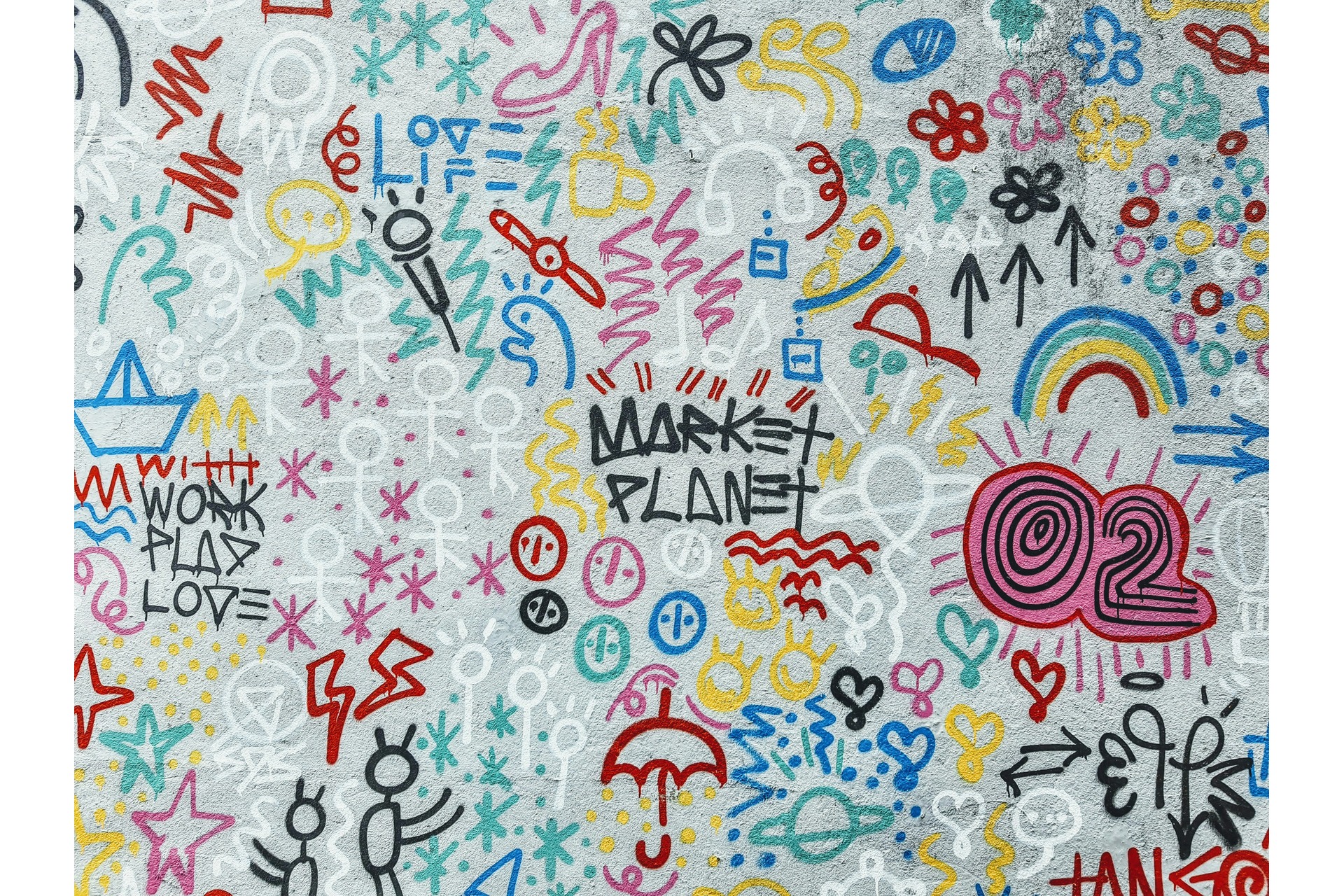
A child’s drawing or mindless doodling has a certain charm that audiences miss in current minimalistic and often AI-generated design. Naive design embraces that childlike, creative expression as a direct response to current grayscale websites and branding. This design looks hand-drawn, originating from the naive art movement. The popularity of the naive design trend in 2026 represents a cultural shift that emphasizes authentic, unmistakably human creations.
The Naive Art Movement
Naive design is not a new concept. Current artists draw on the naive art movement, in which artists created paintings and drawings without formal training. They created art that ignored the traditional rules of academic art, eliminating realistic-looking portraits, utilizing bold and vibrant colors, depicting scenes from everyday life and giving a two-dimensional impression.
Some key figures from the naive art movement are Henri Rousseau and Grandma Moses. Their styles are both unique but share a similar naive art aesthetic. Rousseau created jungle scenes with bright colors and child-like appearances. Grandma Moses created memories of her life, incorporating her imagination into landscapes of her home or significant events. Both of these artists faced ridicule for not practicing the academic approach to art, which emphasized realism and rigid techniques.
As newer artists observed their work and drew inspiration from it, Rousseau and Moses received praise for their contributions to the naive art movement. This movement is making a comeback in 2026 as AI and minimalism slowly take over the creative landscape. Websites may feature more naive design elements, and various brands may start incorporating doodles or bold colors into their logos or web interfaces.
Psychology Behind the Naive Design Trend
Naive art and design are trendy, but the psychology behind it is worth noting. One potential reason for its appeal is that people are experiencing digital fatigue. They are tired of everything looking perfect, especially as AI advances make images and logos look almost too pristine to some viewers.
Another cause could be the desire for authenticity in a world where deepfakes and AI-generated content are becoming increasingly popular. In fact, AI-generated content should increase by 560% in 2031, prompting a need for authenticity to grow along with it. Designers who do not use AI and showcase those imperfections may become more appealing.
Nostalgia is also the appeal of naive art. Because bright colors and uneven lines evoke childlike drawings, naive art transports people to the time of innocence and unbridled creativity of childhood. Naive art’s color and design choices make it stand out, especially among brands that utilize neutral colors and strict font variations, making it a wise choice for companies trying to get noticed.
The Creative Principles of Naive Design
The main goal of naive design is to embrace imperfection and give the design a human-made quality. The following are specific principles for creating an effective naive design.
- Wobbly lines: Designers should stray from straight, rigid lines and hand-draw wobbly or disjointed lines to give the design a naive art quality.
- Asymmetry: Minimalist art usually has a perfectly balanced structure. Naive art focuses on asymmetry, making elements appear imbalanced on purpose.
- Bold colors: Current designs focus on grayscale or neutral colors. Naive design inspires designers to experiment with bold, bright colors that viewers might not normally associate with the design’s subject.
- Character-driven illustrations: To create an emotional connection with viewers, designers should produce illustrations with quirky personalities, especially when drawing animals or people.
- Texture: Naive design should also appear to have texture, like the feel of paper or paint, giving it a handcrafted quality that draws viewers in.
Designers must remember that naive design is not chaotic. It is all about balancing the chaos to create a unified but unique feeling. If there is a logo or other text, it should still be readable. The design should also reflect or represent the intended subject. As long as the design appears human-made and evokes emotion, it should achieve the goals of naive design.
Where Designers Incorporate Naive Design
Designers can incorporate naive design into many places to sell or promote something, as well as to convey a story. The following are some industry-specific examples.
Branding and Packaging
Branding can incorporate many aspects of naive design to appear more approachable to customers. Designing packages with bold colors or creating logos with funky, doodle-like designs are options. These naive art qualities can make brands stand out from typical minimalist designs and add the human touch people desire.
Web and App Design
In website and app design, naive design manifests in user experiences. Using warm colors that evoke nostalgia can encourage users to stay on the app or site. Adding hand-drawn navigational buttons is another way to use naive design and comfort the viewer. The key is for designers to get creative and not rely solely on design templates or what other companies are doing.
Illustration and Publishing
Publishers and artists are utilizing naive design in their respective industries. Custom illustrations were a popular design trend in 2025, and the trend is carrying over to 2026. Children’s book designers are leaning toward loud colors and doodling. In illustration and publishing, designers utilize naive art for its storytelling power, evoking emotions and nostalgia.
Fashion and Interior Design
Fashion and interior design are also seeing naive design in their work. Fashion designers are utilizing color and intentionally imperfect clothing to further the naive art movement. In interior design, designers are inventing quirky decor like lopsided vases and colorful kitchenware to match the trend. These industries are both utilizing bold colors and experimentation to appeal to the audience’s new desire for naive art.
How Social Media Influencers Utilize Naive Art

There are many real-world examples of naive art, design and expression, but since influencers are a continuously popular barometer in 2026, their contributions are worth considering. Two specific influencers, Jillian Webber and Bug, are notable figures who utilize naive art in their content creation.
Jillian Webber is famous across multiple social media platforms. She is also a professional dancer, most known for her quirky and expressive dance videos on TikTok. Recently, she released a coloring book titled Sip and Scribble. The illustrations are her own and have a childlike quality, resembling naive art. Curvy lines and cute characters fill the book’s pages. While a coloring book seems geared toward children, adults are purchasing it, showing the audience’s draw to naive art.
Another naive artist is Bug, a TikTok user under the handle @pollypocket.mp3. They are known for wearing eccentric, colorful outfits, showcasing a real-life version of fashionable naive art. They also have a cooking series featuring a colorful logo in a quirky font. Bug is unapologetically themselves online as well, highlighting the authentic, human qualities of naive art.
While these influencers are expressing naive art in their own ways, they have collected fan bases of people who enjoy their authentic and colorful personalities. Together, they have thousands of followers and millions of likes, showcasing the growing appeal of naive design in the public eye.
The Future of Naive Design
The naive art movement has developed into the current naive design trend. It is also more than a trend, but a meaningful response to an increasingly digital, fabricated world. It will continue to evolve as digital technology does too. Human-made work continues to hold value, especially when compared with AI logos and grayscale website designs.

Leave a Comment