



Video has become a staple of modern marketing, but visibility can still be a challenge. SEO for video content helps businesses improve discoverability across YouTube, Google, and their own websites, ensuring valuable content reaches the right audience.
Why Video SEO Is a Critical Investment for Growth
Video continues to play a growing role in how people discover information online. Google’s search results often include video carousels, and YouTube’s search feature has allowed it to function as a search engine of sorts.
Research from Adilo found that videos ranking in YouTube’s top three search positions achieve an average engagement rate of 2.65%, and the median view count for those videos is approximately 300,000. These numbers show that visibility drives opportunity.
Many businesses are already investing in video because it is an effective way for brands to communicate complex ideas and reach their audience. According to a 2024 report, 69% of men and 61% of women use video streaming platforms to watch videos and clips.
Video SEO helps businesses:
- Increase organic traffic
- Build brand authority
- Improve engagement
- Support lead generation
- Extend the lifespan of marketing campaigns
Just as SEO is a long-term strategy, a well-optimized video can continue generating traffic long after publication.
Foundational Keyword Research for Video
Effective video SEO starts with choosing the right topic and keywords to target.
1. How to Identify Video-Friendly Keywords
Some searches naturally lend themselves to video content. Queries containing phrases like “how to,” “tutorial,” “review,” and “comparison” typically indicate strong video intent.
Google offers a simple validation method. Teams can search their target keyword and look for video carousels on the results page. If videos appear prominently, audiences likely expect visual content. SEO tools like Ahrefs and Semrush can also help identify search volume, keyword difficulty, and related opportunities.
Long-tail keywords generally provide clearer intent and lower competition. For example, the term “SEO” is broad, while “SEO for video content for small businesses” provides a more specific target.
2. Analyzing Competitor Video Strategies
Before outlining a script, review the videos currently ranking for target terms. Examine their length, thumbnail design, publishing schedule, and audience feedback in the comments section.
Patterns often emerge quickly. If top-performing videos average 10 minutes and include detailed demonstrations, it’s a good baseline for understanding what audiences expect. Businesses can use those findings to shape content while offering a unique perspective.
Optimizing Video Content for YouTube’s Algorithm
YouTube rewards videos that keep viewers watching. While metadata can contribute to rankings, audience behavior carries a lot of weight.
3. Crafting Compelling Titles and Descriptions
Only 6% of top-ranking YouTube videos use exact-match keywords in their titles. Instead, successful creators write headlines that match search intent and communicate value.
Descriptions deserve equal attention. Top-ranking videos average approximately 222 words in their descriptions, which gives YouTube and viewers additional context about the content. An effective description should include the primary keyword, supporting terms, timestamps, and relevant links when appropriate.
4. How to Maximize Engagement Signals
Engagement is one of the strongest indicators of content quality. Asking viewers to share their experiences or answer a question at the end of a video can encourage comments naturally. Creators should also pay attention to introductions, as a strong lead-in can keep audiences hooked throughout the video’s duration.
5. Leveraging Transcripts and Closed Captions
Captions improve accessibility while helping search engines better understand video content. Transcripts also provide useful source material for blog posts or social media updates, allowing teams to extend the value of every video they produce.
Technical SEO for Website Videos
Businesses sometimes focus exclusively on YouTube and overlook opportunities on their own websites. Google recommends using dedicated watch pages and stable URLs. A dedicated watch page makes content eligible for Google’s video snippets, which helps websites gain more traffic.
6. Using Video Schema to Earn Rich Snippets
VideoObject schema provides search engines with key information like titles, descriptions, thumbnails, durations, and upload dates. Pages with proper schema markup have a better chance of appearing as rich results in Google search results.
7. Best Practices for Video Sitemaps
Video sitemaps help search engines discover content across a website, particularly for businesses with extensive libraries of tutorials or product videos. Including accurate metadata makes it easier for Google to understand and categorize each video.
8. Ensuring Google Can Index Embedded Videos
Technical issues prevent videos from appearing in search results. Videos hidden behind tabs, incorrect lazy loading implementations, blocked resources, and unsupported formats can all affect discoverability. Businesses should regularly review Google Search Console to confirm the accessibility and indexing of their embedded content.
Creative Choices That Improve SEO Performance

Creative decisions influence SEO performance because they affect viewer behavior. Better engagement often leads to stronger visibility in search and recommendation platforms.
9. Designing Thumbnails that Boost Click-Through Rate
A thumbnail usually influences whether someone clicks on a video. Strong thumbnails typically feature a clear focal point, limited text, and consistent branding. Even small improvements in click-through rate can produce meaningful gains over time, especially for evergreen content.
10. Pacing and Editing to Maximize Watch Time
Disciplined editing keeps viewers watching. Cutting dead air, trimming filler words, removing repeated takes, and opening with a visual hook help extend watch time, which is a strong ranking signal. Length matters too. Top-ranking videos are often long enough to cover a topic thoroughly and short enough to hold attention to the end.
How to Measure Video SEO Impact
Tracking the right metrics helps businesses understand which topics resonate with viewers and how videos contribute to broader marketing goals.
11. Tracking Key Metrics on YouTube Analytics
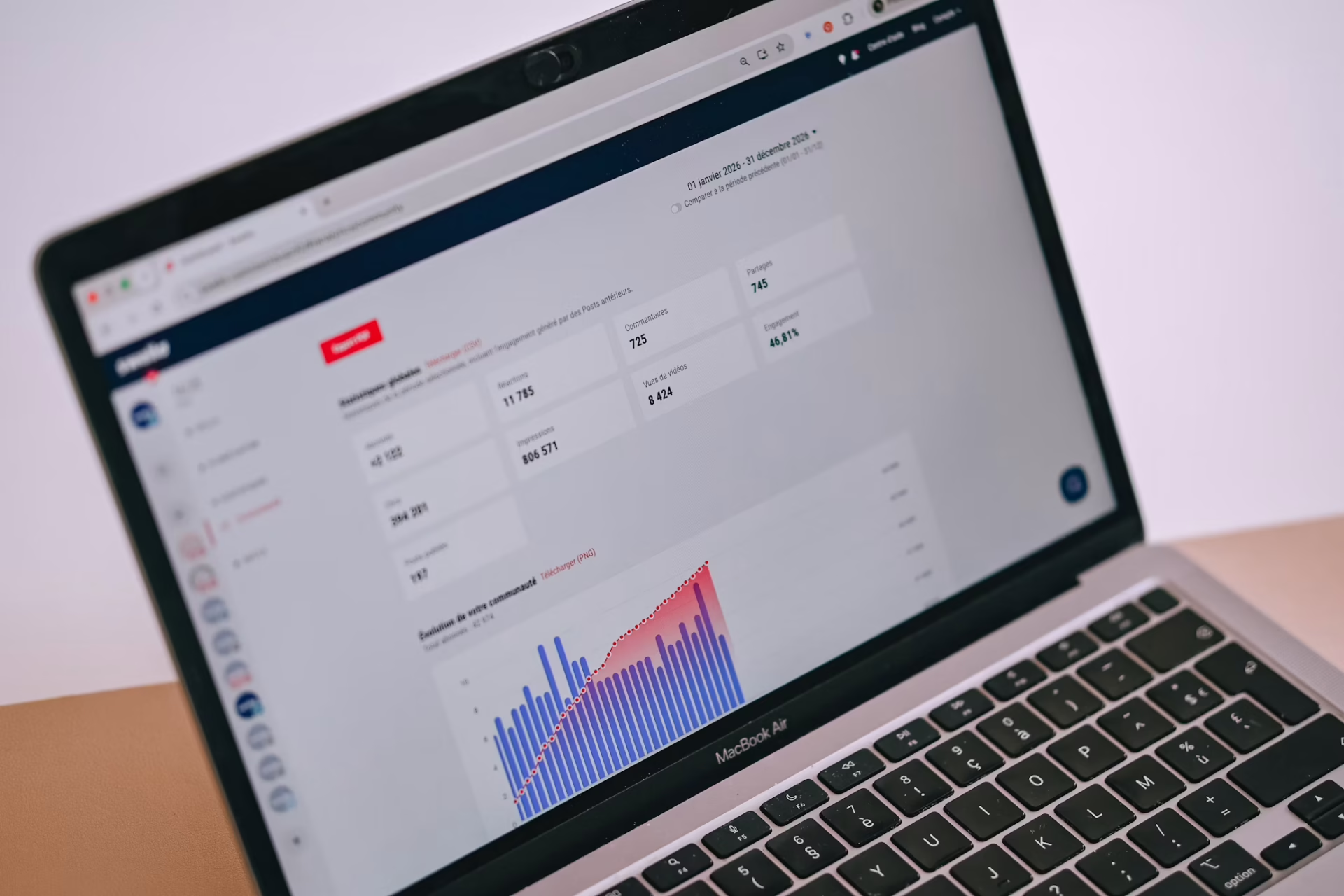
YouTube Analytics provides a clear picture of how viewers interact with content. While view count offers a quick snapshot of performance, several other metrics provide greater insight into a video’s effectiveness.
Pay particular attention to watch time, audience retention, click-through rates (CTR), and traffic sources. Strong audience retention often indicates that a video delivers on its title and keeps viewers engaged throughout its runtime. CTR can reveal whether thumbnails and titles encourage users to click.
Subscriber growth and returning viewers are also useful indicators. Consistent increases in these metrics suggest that the audience continues to find value in a channel’s content.
12. Monitoring Video Performance in Google Search Console
Google Search Console helps businesses understand how videos perform outside of YouTube. Reviewing this data regularly can uncover technical problems like indexing errors or inaccessible embedded videos. It also provides insight into which pages attract traffic through video search features.
Turning Search Visibility Into Tangible Results
Video SEO rewards businesses that pair strong content with consistent optimization. Investing in technical best practices and audience engagement can help marketers create videos that attract traffic and generate positive results over time.

Leave a Comment