


Modern brands are competing for attention in crowded digital spaces. Motion branding provides a practical way to cut through the noise by adding clarity and personality to a brand’s online presence, particularly in increasingly interactive environments.
What Is Motion Branding?
Motion branding uses animated components to establish a strong visual identity. It translates a company’s personality and values into movement, manifesting in forms like animated logos, kinetic typography, transitions, or interactive elements in apps and websites.
The human brain is smart. When it sees movement, it becomes more engaged, usually anticipating an object’s next move.
Integrating movement into visual elements makes a brand feel more memorable and expressive. It can add rhythm and emotion, helping audiences connect more deeply with the brand and its values at a glance.
Well-executed motion branding is intentional, reflecting one’s personality and creating consistency across platforms, making digital experiences feel smoother and more engaging.
The Benefits of Motion Branding for a Dynamic Brand Identity
Integrating movement into one’s brand offers advantages across several aspects of running a company and engaging one’s audience.
Boosts Brand Recognition and Recall
Creating a strong visual brand identity is crucial, as 55% of first impressions come from what people see. Motion captures attention faster than static imagery, making animated brand elements more memorable. Many viewers remember a message delivered through motion more vividly than one conveyed through text or a still visual.
Enhances Emotional Storytelling
Movement expresses emotion in ways static visuals can’t. The pace, direction, and style of animation work together to signal attitude, tone, and energy. For example, a slow fade can convey calm or trust, while sharp and fast movements communicate boldness. Motion can be a powerful tool for shaping how audiences feel when interacting with a brand.
Increases Engagement and Interest
Moving elements are more likely to grab and keep people’s attention. Short animated loops and micro-animations are more engaging to watch on platforms like Instagram and TikTok because they stand out in an endless scrolling feed. Motion also increases curiosity. Viewers want to know what happens next with a moving element, while they might be less inclined to linger on a still graphic.
Improves Digital User Experience
In UX design, motion helps people navigate and understand digital environments more intuitively. Thoughtful, intentional animation guides focus, provides feedback, and reinforces relationships between different elements or steps. With the right execution, motion creates a smooth, polished experience that feels more user-friendly.
Examples of UX-enhancing motion include:
- Button and hover animations that signal interactivity
- Transitions that clarify the next step
- Loading screens that make wait times more enjoyable and less noticeable
Differentiates the Brand
Many brands rely on similar formulas, templates, and design systems. These systems work and are popular for a reason. However, organizations still need to differentiate themselves to win over their target audience successfully.
A signature animation style, such as a recognizable logo reveal, transition, or movement pattern, can help a business stand out instantly. This distinction is especially valuable on platforms crowded with look-alike visuals.
Creates Versatility
Motion branding can adapt across most channels. A set of animated assets can fuel video intros, social media posts, website hero sections, or in-app interactions. This versatility makes it a cost-effective investment for businesses of all sizes, giving them a recognizable presence across multiple touchpoints. Marketing teams can easily reuse or tweak animated assets for several campaigns, producing engaging visuals without having to start from scratch every single time.
Key Elements of Motion Branding
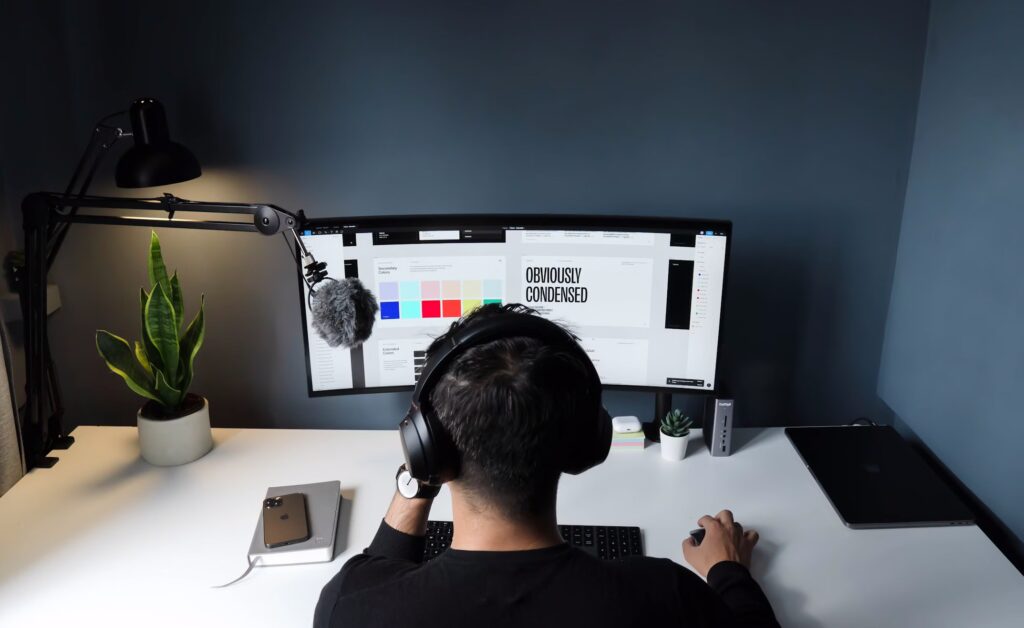
Motion branding can come in different forms, making it a highly versatile avenue of communication and engagement. Designers often use a combination of these four elements to create distinctive moving designs that attract and delight audiences.
Animated Logos
Logos are a powerful branding asset — one-third of American adults have purchased from a business because they found the logo pleasing. Animated logos translate a company’s identity into a short, memorable sequence. Designers can create movement that accurately reflects their message or values across multiple platforms and formats, helping audiences form a strong emotional connection.
Kinetic Typography
Kinetic typography uses movement to emphasize key messages. Text can slide, stretch, bounce, fade, or reveal itself in sync with other movements, sound, or a narrative. This approach adds rhythm to written content, making messages more engaging and easier to follow. It’s also a flexible tool that works well in explainer videos, advertisements, onboarding content, or social posts.
Dynamic Color Palettes
Motion allows color to shift and move in ways static branding can’t. Animated gradients, timed changes, or responsive commands create energy and guide the viewer’s attention. When used intentionally, dynamic palette use makes the brand feel more modern and expressive while still aligning with the brand’s core guidelines.
Sound Design
Sound can be a powerful accompaniment to motion. Short audio effects and branding elements strengthen impact and reinforce memory. Think Netflix’s iconic thumping intro that comes with its animated logo. Even simple additions, like soft clicks in a UI animation, can make the brand feel more polished. Alignment between visual motion and sound design creates a cohesive experience for the audience.
A Quick Guide to Getting Started with Motion Branding
Starting a motion branding project requires planning to ensure cohesion and effectiveness. These tips can help business owners and designers jump into their motion branding journey confidently.
Start with a Solid Foundation
Teams should ensure they already have a complete and well-defined core brand system. Motion supports the existing branding, but it cannot compensate for potential inconsistencies in one’s visual identity. A business should have a brand book that includes its logos, color palette, iconography, and typography rules.
Identify High-Impact Opportunities
Organizations should focus first on the places where movement will make the biggest impact. Promotional videos, website hero sections, and social media posts often receive the most attention. Picking a few priority channels makes it easier to monitor performance and refine one’s style.
Create a Storyboard for Key Animations
A storyboard outlines the entire animation sequence. Simple sketches can clarify timing, pacing, and essential elements before production begins. Including key frames for logo reveals, transitions, color changes, or other interactive elements ensures consistency and clear communication, especially when multiple designers are working on the project.
Principles for Building a Motion-Led Brand Identity
These principles help ensure every animation feels intentional and consistent, creating a recognizable brand identity.
Consistency
In motion branding, movement also needs its own rules. Brands should use consistent pacing, transitions, and movement directions across all assets to build familiarity and recognition. Aside from being visually pleasing, brand consistency can contribute 10% to 20% to a company’s revenue growth, adding to its profitability.
Purpose
Every animation should serve a clear function, like guiding viewers’ attention, signaling interactivity, or supporting storytelling. Purpose-driven motion keeps the brand polished and minimizes distractions that could be overwhelming or confusing.
Platform Nuance
Motion has a different effect depending on where it appears. A website might need subtle animations to support navigation and accessibility, while social content often requires bold and fast movement to grab people’s attention. Tailoring motion to each platform strengthens its appeal.
Bringing Brands to Life
Motion branding is a strategic tool to build a modern, expressive, and recognizable brand across multiple platforms. Intentional movement strengthens storytelling and helps businesses stand out in competitive markets. Small and midsized brands can start with a few core animations and build their system over time, which can be a valuable asset that supports long-term growth.

Leave a Comment