


In This Article
In 2026, two major forces are reshaping the trend of graphic design — rapid AI adoption and a growing demand for authenticity. As more businesses gain access to powerful design tools, the challenge is creating distinctive visuals. Brands are competing in a saturated digital environment where audiences are more visually aware and selective than ever. Making originality, emotional connection and clarity in designs are essential for business success.
For SMB owners, designers, and marketers, staying current with design trends is more than about chasing aesthetics. It’s about improving engagement, strengthening brand identity and driving conversions. Design is now a business-critical function that directly influences how audiences perceive and interact with a brand.
Why Graphic Design Matters in Business
Graphic design has become an integral part of business strategy rather than a supporting function, with 90% of companies relying on design expertise in some form. This figure underscores the essential role of professional creative input across industries.
From logos and websites to social media and advertising, design shapes every touch point of the customer journey. It influences first impressions, communicates brand values and affects decision-making. Understanding current trends helps organizations stay relevant, connect with the audience and apply design that delivers measurable business impact.
The following 10 trends highlight where design is heading and how to apply them effectively.
1. Imperfect by Design
Designers are intentionally embracing flaws, such as grainy textures, uneven lines and handwritten elements, to create a more human feel. In a landscape flooded with AI-generated perfection, these imperfections signal authenticity and build trust.
For SMBs, this can mean using real photography, raw sketches or organic textures in branding. The key is balance. Imperfections should feel deliberate, not careless. This approach works especially well on social media, where audiences respond more to relatable, less “manufactured” visuals than overly polished content.
2. Human and AI Collaboration
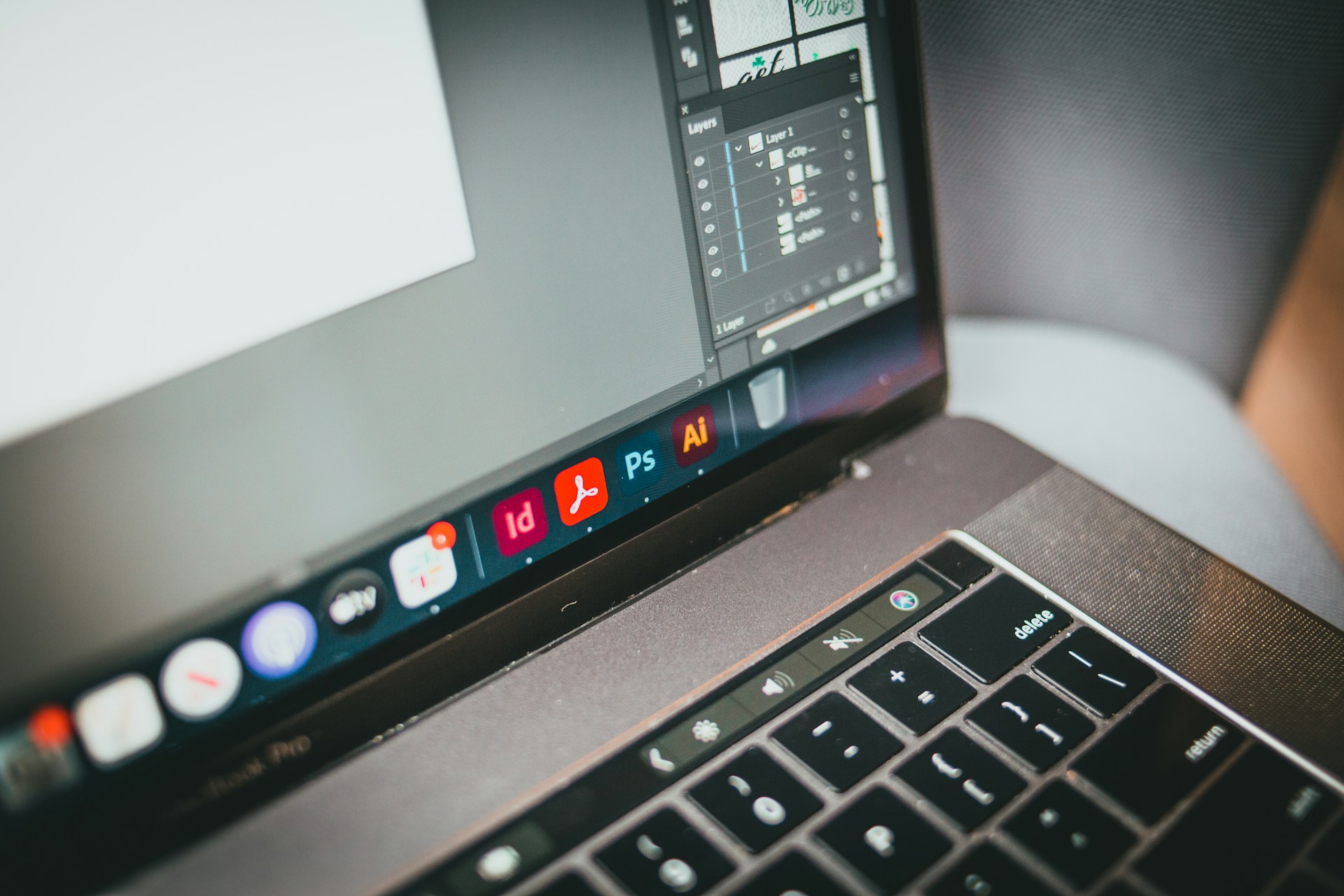
AI has become a core design tool. However, it’s most effective when paired with human creativity. Designers now use AI for ideation, drafts and rapid variations. At the same time, humans refine the final output for emotional depth and brand alignment. This hybrid workflow boosts efficiency without sacrificing originality.
For marketers and SMBs, the takeaway is clear. AI can accelerate production, but strategic thinking, storytelling and visual identity still require human oversight to avoid generic, repetitive designs.
3. Maximalism and Controlled Chaos
Maximalism is making a strong comeback, characterized by bold colors, layered elements and collage-style compositions. Unlike random clutter, “controlled chaos” relies on underlying structure, such as grids and hierarchy, to maintain clarity. This trend helps brands stand out in crowded digital spaces where minimal designs often blend in.
Designers should experiment with combining typography, imagery and textures. However, they should always guide the viewer’s eye with clear focal points and visual flow.
4. Tactile and Handmade Aesthetics
Digital design is becoming more tactile, incorporating textures that mimic the feel of physical materials, such as paper, fabric or clay. These elements create a sense of depth and realism, making designs feel more engaging and less sterile.
For SMBs, this can enhance product storytelling, especially in e-commerce, by making visuals feel more tangible. Subtlety is key, as light textures or handcrafted details can elevate a design without overwhelming the overall composition.
5. 3D and Dimensional Design
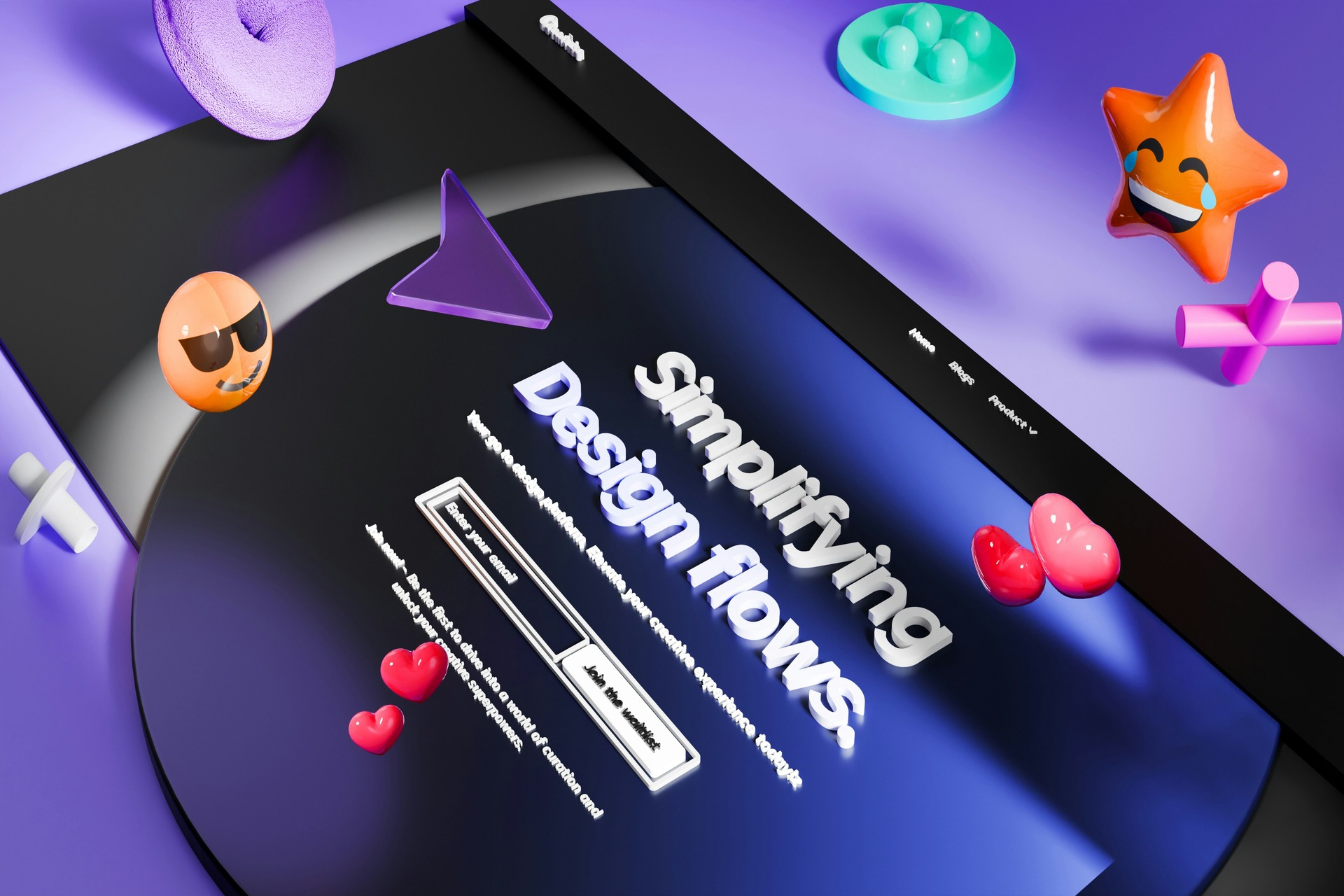
3D design is now widely accessible and increasingly used across websites, ads and branding. From 3D typography to interactive product visuals, this trend adds depth and realism that capture attention. It’s particularly effective for showcasing products or creating immersive digital experiences.
However, designers should use it strategically. Overuse can impact performance and distract from messaging. When done right, 3D elements can significantly boost engagement and perceived value.
6. Bold and Expressive Typography
Typography is no longer just supportive — it’s often the main visual element. Designers are using oversized fonts, experimental layouts and animated text to communicate messages quickly and memorably. This approach improves readability while also strengthening brand voice.
For SMBs, investing in distinctive typography can differentiate a brand without requiring complex visuals. The key is to remain legible while pushing creative boundaries.
7. Emotional and Story-Driven Design
Modern design prioritizes emotional connection over pure aesthetics. Visuals evoke specific feelings — nostalgia, excitement, trust — through color, imagery and layout. Story-driven design guides users through a narrative, increasing engagement and retention.
For marketers, this means thinking beyond visuals and focusing on the experience a design creates. Campaigns that resonate emotionally are more likely to convert and build long-term brand loyalty.
8. Anti-Generic Design
As AI-generated visuals become more common, many designs are starting to look the same. The response is a shift toward highly distinctive, original visual identities. Brands are investing in custom illustrations, unique layouts and unconventional styles to stand out.
For SMBs, developing a recognizable visual system can create a competitive edge. Avoid relying solely on templates or AI outputs. Instead, refine and personalize designs to ensure they feel unique and memorable.
9. Motion and Micro-Interactions
Static design is giving way to movement. Micro-interactions, such as hover effects, subtle animations and scrolling transitions, are becoming standard in digital design. These small movements enhance user experience by providing feedback and guiding attention. They also make interfaces feel more dynamic and engaging without overwhelming the user.
For SMBs, even simple motion elements can significantly improve usability and engagement, especially on websites and mobile platforms.
10. Minimalism 2.0
While maximalism is rising, minimalism is evolving rather than disappearing. Modern minimalism focuses on clarity, usability and intentional design rather than just aesthetics. This trend includes clean layouts, strong hierarchy and purposeful use of space. It ensures that users can quickly understand content and take action without distraction.
For SMBs, this approach is particularly valuable for websites, landing pages and apps where user experience directly impacts conversions.
The Power of Visual Content in Marketing
Marketers consistently rank visual elements, such as images, videos and colors, as the most important variables to test when optimizing performance of their campaigns. Strong visuals often determine whether audiences look, engage or convert. As a result, investing in high-quality, visually engaging content is critical for capturing attention and driving interaction.
Consistent, compelling design can significantly improve brand recognition, build trust and enhance overall marketing effectiveness across platforms.
Designing for Impact in 2026 and Beyond
Graphic design in 2026 is less about following trends and more about making intentional choices that reflect brand identity and audience expectations. The most successful designs combine efficiency with originality, leveraging technology without losing the human touch.
For SMBs, designers and marketers, the priority should be clear. They should focus on creating visuals that feel authentic, emotionally engaging, and distinct. Trends can guide direction, but long-term impact comes from consistency and thoughtful execution.
Leave a Comment