




In This Article
The best e-commerce apps in 2026 reflect an expanding digital marketplace fueled by mobile e-commerce and artificial intelligence (AI)-driven tools. Real user feedback is crucial in platform rankings, with reviews highlighting performance and reliability across different business needs. For small business owners, selecting the right app directly influences scalability and profitability.
The right platform can support growth and enhance the overall customer experience. Many platforms now integrate automation features such as inventory syncing and personalized marketing, which help reduce manual workload. As competition intensifies, businesses that invest in adaptable and consumer-approved solutions position themselves for stronger long-term success.
Why Choosing the Right App Matters
The choice of an e-commerce platform has a direct impact on customer experience and long-term retention. Smoother navigation and faster checkout processes encourage repeat purchases. Automation and mobile optimization are now central to enabling features such as real-time inventory updates and seamless shopping across devices.
For growing businesses, scalability remains essential, as the platform must handle increased traffic and more complex workflows without performance issues. Platforms also vary widely in ease of use and cost, which means small business owners must balance convenience with customization and long-term affordability.
Features Small Businesses Should Look For
The best e-commerce apps stand out for their ease of setup and usability, which allows small business owners to launch stores quickly without steep learning curves. Built-in marketing and SEO tools help drive visibility and sales, especially as people spend an average of 141 minutes a day on social media in 2025, creating more opportunities for discovery.
Strong payment gateway integrations and security features ensure smooth and safe transactions to build customer trust over time. Scalability and customization options are necessary so that businesses can expand and tailor their stores as needs change. Mobile responsiveness and omnichannel selling further enhance reach. They allow brands to connect with customers seamlessly across websites, apps and social platforms.
How Consumer Feedback Shapes These Rankings
Reviews, ratings and real-world usage insights are crucial to evaluating the best e-commerce apps because they reflect how platforms perform beyond marketing claims. Reliability and overall performance consistently rank as top priorities, since downtime or poor assistance can quickly impact sales and reputation.
Current user preferences also highlight a strong shift toward AI tools and seamless integrations. Businesses look for smarter ways to manage operations and scale efficiently. Many users also prioritize platforms that offer regular updates and active development, which signal long-term reliability and innovation. As expectations rise, apps that combine strong performance with intuitive features continue to earn higher consumer trust and loyalty.
The Best E-Commerce Apps of 2026
The following platforms stand out based on consumer feedback, offering small business owners reliable tools to grow and compete in a digital market.
1. Shopify
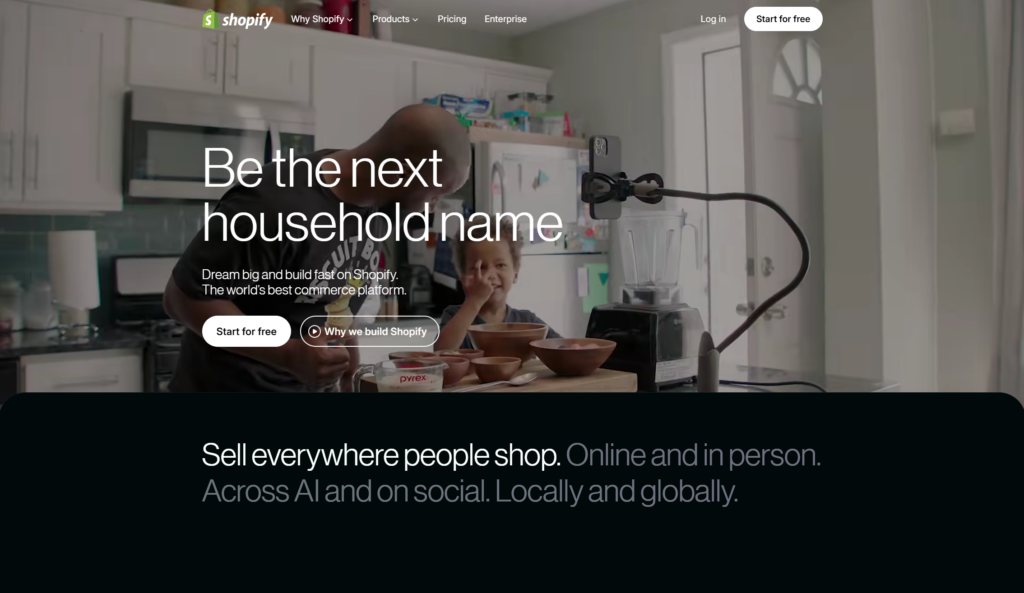
Shopify is an all-in-one e-commerce platform that enables businesses to build, manage and scale online stores without requiring advanced technical skills. Its core strengths include an intuitive interface, secure payment processing through Shopify Payments and access to a large app ecosystem that expands functionality.
The platform combines ease of use with strong scalability, which allows small businesses to start quickly while supporting high-growth operations over time. It manages hosting, security and updates, which reduces operational complexity and lets businesses focus on sales and customer experience. Shopify also leads in omnichannel selling, supporting seamless integration across websites and social media.
2. WooCommerce
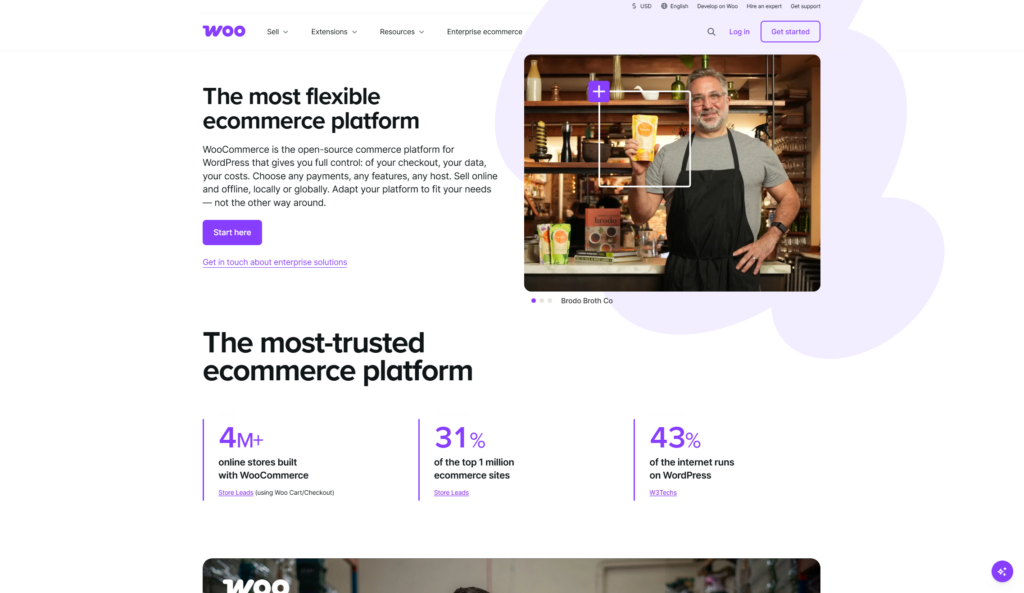
WooCommerce is an open-source e-commerce solution built on WordPress. It gives businesses full control over store design, functionality and data. Its strengths lie in a massive extension marketplace and seamless integration with the broader WordPress ecosystem. This allows businesses to tailor every aspect of the shopping experience.
WooCommerce requires users to manage hosting and maintenance, but this approach offers greater flexibility and often lower long-term costs. The platform supports a highly customizable environment that appeals to businesses with specific technical or branding needs. Its global adoption highlights its impact, powering over 4 million online stores.
3. BigCommerce
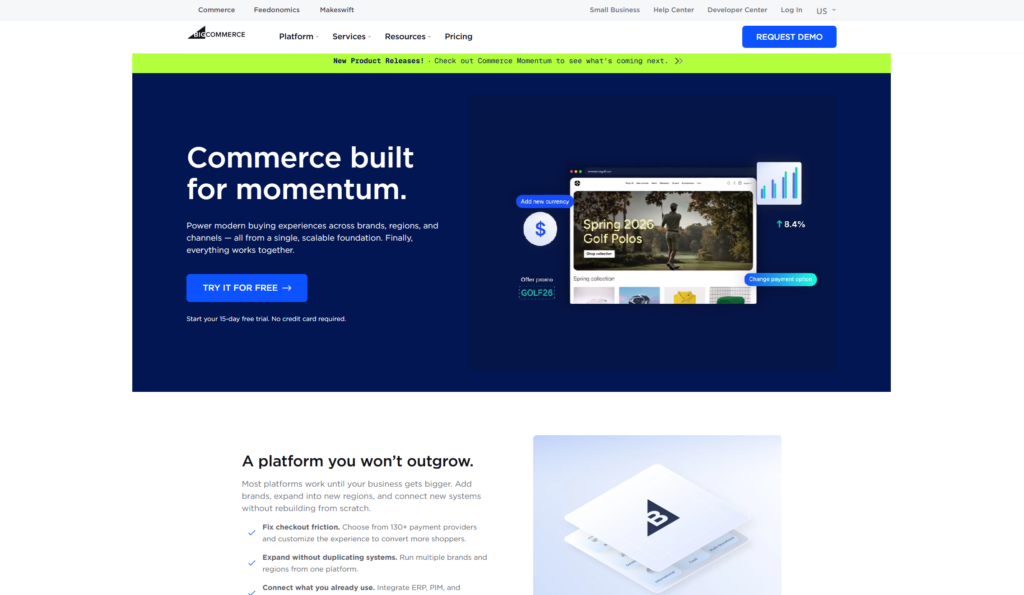
BigCommerce is a cloud-based e-commerce platform designed for businesses that need advanced features and flexibility. It offers multi-storefront capabilities, built-in SEO and marketing tools and seamless integrations with enterprise systems such as enterprise resource planning tools.
The platform delivers more native functionality, which reduces reliance on third-party apps and helps control operational costs. It also supports B2C and B2B models, which makes it a versatile option for businesses with complex sales requirements. BigCommerce powers thousands of merchants globally and grows alongside the expanding e-commerce market.
4. Wix eCommerce
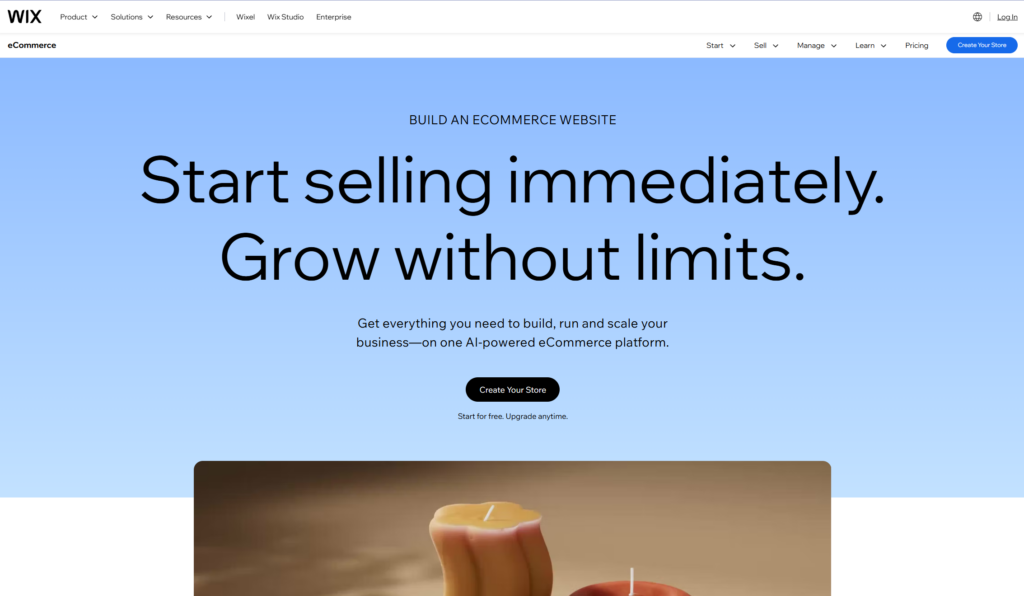
Wix is an e-commerce solution that combines website building, marketing tools and payment processing into a single platform. Its strengths lie in its intuitive drag-and-drop editor, professionally designed templates and marketing features, which allow businesses to launch and manage stores with minimal technical effort.
The organization uses a design-first approach and focuses on ease of use. These aspects are especially appealing to beginners and small business owners who value speed and simplicity. Wix prioritizes accessibility while providing essential features such as inventory management and omnichannel selling. It has over 272 million users worldwide and millions of live websites built on the platform.
How to Choose an E-Commerce App for Businesses
Choosing from the best e-commerce apps requires a clear understanding of business needs and long-term growth plans. The right platform should align with operational goals while supporting efficiency and customer experience.
- Business size and growth stage: Consider whether that platform can support current operations while scaling with increased traffic and sales volume.
- Ease of use and setup: Evaluate how quickly a store can be launched and managed without requiring advanced technical skills.
- Pricing and total cost: Review subscription fees and additional expenses for plug-ins or integrations.
- Customization and flexibility: Assess how much control the platform offers over design, features and user experience.
- Built-in tools and integrations: Look for marketing, analytics and third-party integrations that streamline daily operations.
- Payment options and security: Ensure the platform supports multiple payment gateways and provides strong security features to protect transactions.
- Mobile and omnichannel capabilities: Confirm the platform delivers a seamless experience across mobile devices and social media channels.
Common Mistakes to Avoid When Selecting an E-Commerce Platform
Many small business owners make avoidable mistakes when selecting from e-commerce apps, often focusing on short-term gains instead of long-term value. Choosing a platform based only on price can limit access to essential features, while ignoring scalability creates challenges as the business expands. Hidden fees and costly integrations can also reduce profitability over time if not carefully evaluated.
A lack of mobile optimization and omnichannel capabilities can also make it harder to connect with digitally active customers. Overlooking customer support quality can also lead to delays when issues arise, which directly impacts sales and operations. Careful evaluation across all these factors helps businesses avoid setbacks and build a stronger foundation for growth.
Choosing the Right Platform for Long-Term E-Commerce Success
Choosing from the best e-commerce apps remains a critical decision that directly shapes a business’s growth and long-term success. Each platform offers different strengths, so aligning features with specific business goals ensures better performance and smoother operations. Small business owners benefit most when they prioritize usability and customer experience, which creates a strong foundation for sustainable growth.


Leave a Comment