

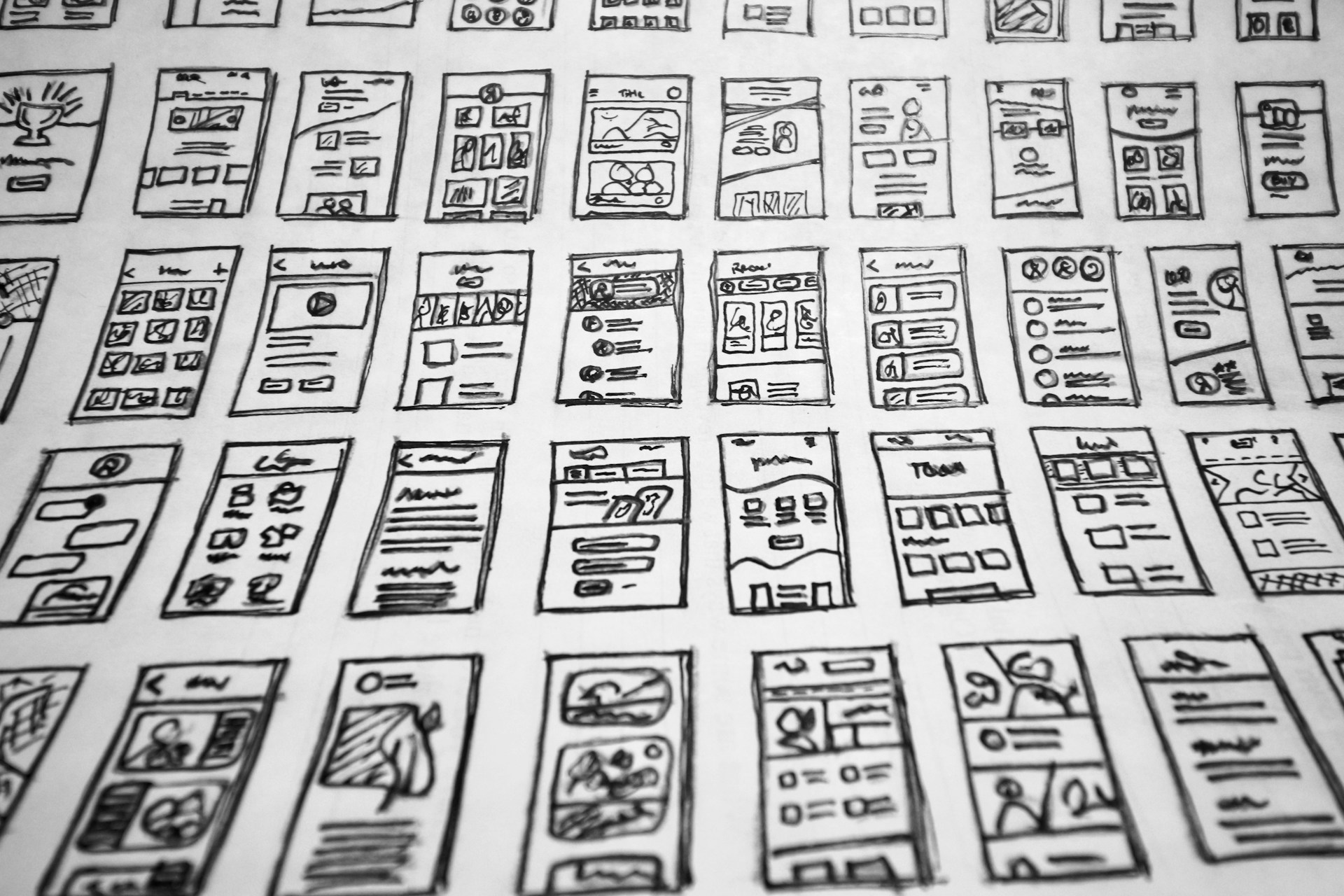


Artificial intelligence (AI) has moved from a futuristic concept to an everyday business tool, transforming how designers and developers approach their work. ChatGPT web design applications offer practical solutions for streamlining workflows, generating content and accelerating project timelines.
Many professionals struggle to move beyond basic prompts and generic outputs. This guide provides ready-to-use templates to help small business owners, designers and marketers harness ChatGPT’s capabilities effectively.
Understanding ChatGPT’s Role in Modern Web Design
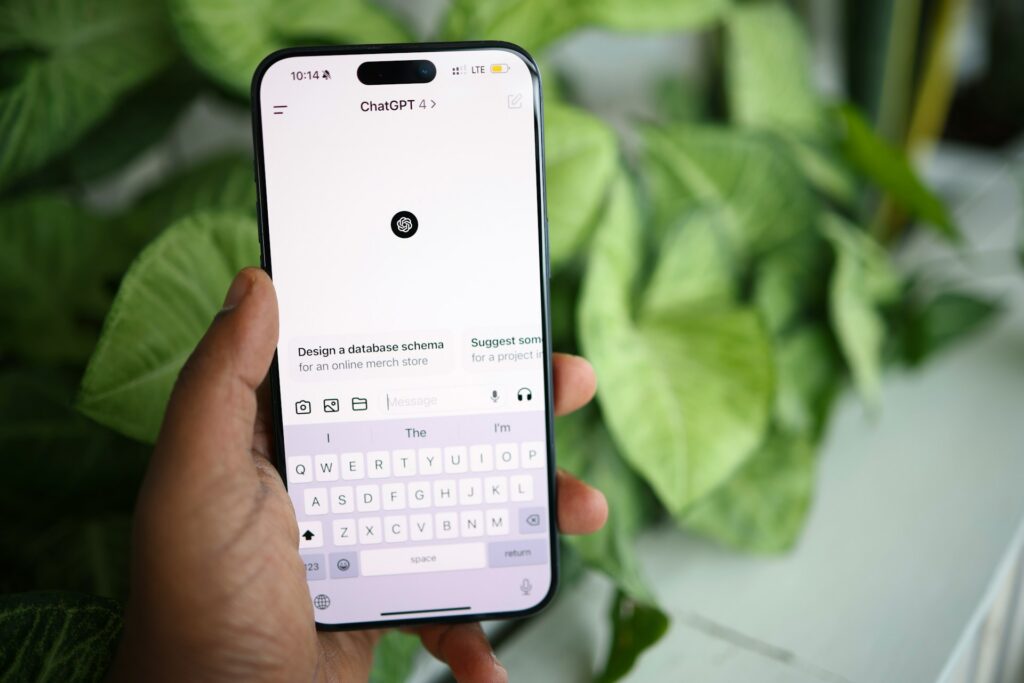
ChatGPT functions as a powerful assistant rather than a replacement for human designers. By handling time-consuming tasks that would otherwise slow down project timelines, the tool can augment creativity and efficiency.
Organizations across industries have embraced this technology as standard practice. According to recent research, 88% of organizations report using AI in at least one business function, reflecting a fundamental shift in how companies approach productivity and innovation.
Integrating seamlessly into existing processes, the ChatGPT web design workflow supports research, content generation, code assistance and project planning. Professional designers can then maintain creative control and focus on high-value strategic decisions rather than repetitive tasks.
Streamlining the Initial Project Discovery Phase
The discovery phase traditionally consumes significant time and resources as teams gather requirements, research competitors and define project parameters. ChatGPT web design prompts can accelerate this process, enabling designers to move from concept to execution more quickly.
Real-world applications demonstrate impressive results. Web design firms like Bemunchie Online in the United Kingdom have begun using data to inform design choices, such as color palettes and typography selections. Major brands have also adopted AI for strategic work, with Coca-Cola personalizing its ad copy and enhancing customer experiences through generative AI.
Creating Detailed User Personas
Understanding the target audience forms the foundation of effective web design, with well-crafted personas guiding decisions from navigation structure to visual hierarchy.
Prompt template: “Create a detailed user persona for [target audience description]. Include demographics (age range, location, income level, education), primary motivations for visiting the website, key pain points they experience, goals they want to accomplish and preferred communication style. Format the persona as a narrative profile.”
Defining Project Goals and Scope
Clear objectives prevent scope creep, while defining boundaries protects timelines and budgets. When stakeholders share expectations, projects stay on track.
Prompt template: “Help me define the scope for a [type of website] project. The primary business objective is [goal]. List five to seven key deliverables, identify potential constraints (budget, timeline, technical limitations) and suggest success metrics for measuring project outcomes.”
Conducting Preliminary Competitor Analysis
Competitive intelligence informs strategic positioning and prioritization by revealing market gaps and differentiation opportunities. Understanding competitor offerings helps identify strategic advantages.
Prompt template: “Act as a marketing analyst. Identify five main competitors for a business that [description of business and services]. For each competitor, provide their website URL, two to three key strengths and teo to three observable weaknesses based on their online presence. Summarize opportunities for differentiation.”
Generating Content and Effective UX Copy
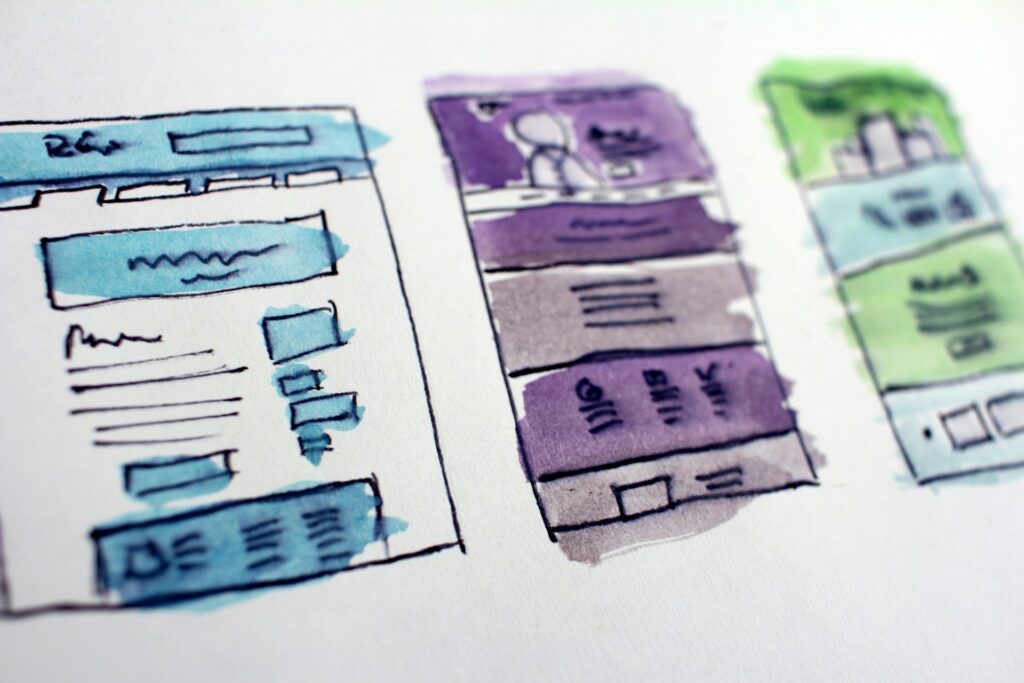
Language-based tasks are among ChatGPT’s strongest capabilities, from creating comprehensive brand guidelines to crafting precise button microcopy. ChatGPT web design prompts for content generation can save hours of writing time while maintaining consistency across digital properties.
Crafting Brand Voice and Tone Guidelines
Consistent brand voice builds recognition and trust across all client touchpoints. When documented guidelines ensure that every team member writes in a unified style, customers experience cohesion across websites, email or social media.
Prompt template: “Analyze the following examples of our writing: [paste three to five samples of existing content]. Based on these samples, create a brand voice and tone guide that includes: voice characteristics (three to five adjectives), tone variations for different contexts (promotional, educational, customer service), words and phrases to use, words and phrases to avoid and three example sentences demonstrating the voice.”
Writing Website and UI Copy
Hero sections must capture attention immediately while clearly communicating value propositions, as these critical first impressions determine whether visitors engage or leave within seconds.
Prompt template: “Write a hero section for a [product/service description] targeting [audience]. The unique value proposition is [key differentiator]. Provide three variations, each including: a headline (eight to 12 words), subheadline (15 to 20 words) and primary call-to-action button text. Make the tone [desired tone].”
Brainstorming Content and Blog Topics

ChatGPT is a valuable ideation tool for content planning, though its outputs require critical evaluation. While the tool generates concepts quickly, research shows that AI produces generic ideas that lack specificity and depth. Human creativity remains essential for refining these starting points into compelling, unique content.
Prompt template for initial brainstorming: “Generate 10 blog post topics for a [industry/niche] website targeting [audience]. Topics should address common pain points, answer frequent questions and showcase expertise. Focus on practical, actionable subjects.”
Prompt template for refinement: “Take this topic: [generic topic from AI]. Make it more specific and compelling by: narrowing the focus to a particular subset of the audience, adding a unique angle or perspective not commonly covered and incorporating a tangible outcome or benefit. Provide three refined versions.”
Accelerating Development With Code Generation
ChatGPT can function as a junior developer or pair-programming partner, handling repetitive coding tasks and assisting with debugging. This capability delivers substantial time savings for development teams working under strict deadlines.
The efficiency gains can be substantial. For example, the CEO of Freshworks reported that code-generation tasks that once took eight to 10 weeks were completed within days using AI.
Building Basic HTML and CSS Structures

Well-structured, reusable components form the building blocks of most websites, accelerating development while reducing maintenance overhead.
Prompt template: “Generate clean, semantic HTML and CSS code for a responsive three-column feature grid. Each column should include an icon placeholder, heading, paragraph text and a ‘Learn More’ link. The grid should stack vertically on mobile devices. Include comments explaining the key structural elements.”
Creating JavaScript for Interactive Elements
Interactive features, such as animations, form validation and dynamic content updates, can enhance user engagement. However, these require careful implementation to avoid accessibility or performance issues.
Prompt template: “Write JavaScript code for [specific functionality, e.g., ‘a lightbox image gallery’ or ‘form validation that checks email format and required fields’]. The code should be vanilla JavaScript (no frameworks), include error handling and have clear comments explaining each major section.”
Debugging Code and Identifying Errors
Even experienced developers encounter bugs that consume valuable troubleshooting time. A fresh perspective often reveals issues that have become invisible after extended focus.
Prompt template: “Review the following code and identify any errors, potential bugs or areas that don’t follow best practices: [paste code block]. Explain what each issue is, why it’s problematic and how to fix it.”
Applying Best Practices for AI-Assisted Design
Effective prompt engineering determines the quality of AI outputs. Providing clear context, specifying a persona or role and including examples can improve results. The Massachusetts Institute of Technology suggests building on AI conversations through follow-up questions and additional prompts to refine its results.
Ethical considerations extend beyond prompt quality. While organizations rapidly adopt AI tools, governance frameworks lag significantly behind. Recent data reveals that just 13% have policies in place despite widespread AI planning initiatives. Establishing official guidelines for AI use protects organizations and clients.
Human oversight remains nonnegotiable regardless of output quality. Every AI-generated asset requires review and refinement before deployment. This approach helps ensure accuracy, brand alignment and appropriateness for the audience.
Recognizing the Limitations of AI Creativity

While ChatGPT processes patterns and generates outputs based on training data, it cannot replicate genuine creative insight or emotional resonance. The technology lacks contextual understanding of brand heritage, company culture and audience preferences that inform differentiated design work.
As AI tools lack true comprehension or nuanced judgment, human designers remain essential. They deliver irreplaceable value through empathy, cultural awareness and strategic intuition. Designers can understand unstated client needs, recognize emerging trends before data confirms them and make judgment calls that balance competing priorities in ways algorithms never could.
Marketing success requires an authentic connection. While AI can produce technically correct copy and functional code, it cannot infuse work with the passion, personality and purpose that drive meaningful engagement. Human creators translate brand values into tangible experiences that resonate emotionally, making artistry and creative vision irreplaceable elements of effective web design.
Frequently Asked Questions
Common questions about ChatGPT’s capabilities help clarify realistic expectations and appropriate use cases.
Can ChatGPT build a complete website on its own?
No. ChatGPT generates text-based outputs, such as code and content, but cannot perform actions such as purchasing domains, configuring hosting or creating visual assets. The tool assists human developers throughout the process rather than replacing the complete workflow. Technical implementation, design execution and quality assurance still require human expertise.
Does ChatGPT generate code reliable for professional use?
The generated code typically provides a strong starting point but requires thorough testing and human review before deployment. AI outputs may not follow current best practices or could contain bugs that only appear under specific conditions. Developers should treat all AI-generated code as a draft requiring validation, optimization and integration testing.
Balancing Automation and Artistry in Web Design
The future of web design does not pit AI against human designers. Instead, it belongs to designers who effectively leverage AI tools to amplify their capabilities. This collaborative model combines computational efficiency with human creativity, producing better results faster than either could achieve alone.


Leave a Comment