



In This Article
Circular packaging design is gaining momentum as consumer expectations around sustainability continue to rise across industries. Packaging no longer functions solely as production protection — it also communicates brand values, priorities and long-term commitments.
Forward-thinking companies use circular strategies to reduce waste, extend material life cycles and strengthen brand identity. When executed thoughtfully, this approach transforms packaging into a visible expression of purpose rather than a disposable afterthought.
What Is Circular Packaging Design?
Circular packaging design represents a decisive shift from traditional “take-make-dispose” systems toward regenerative, resource-efficient models. Instead of relying on single-use materials, it prioritizes reducing material consumption, enabling effective recycling and extending product life cycles. An Environmental Protection Agency report revealed that paper and paperboard constituted 23.1% of the municipal solid waste generated in the U.S. in 2018, underscoring the scale of packaging-related waste challenges.
Closed-loop thinking now guides decisions across sourcing and post-consumer recovery to keep materials in circulation rather than landfills. For modern brands, this approach strengthens environmental credibility and aligns operations with rising consumer expectations for responsible growth.
Why Brand Storytelling Is Evolving
Consumers increasingly connect with brands that demonstrate clear values rather than simply highlighting product features. As Harvard Business School Professor Jill Avery explains, “Brands that tell compelling stories have the power to break through the clutter and truly engage their audience.” Sustainability strengthens that engagement by adding emotional depth and reinforcing credibility in crowded markets.
Transparency, traceability and authenticity further build trust over time, turning one-time buyers into loyal advocates. In this context, packaging serves as a visible and tangible storytelling medium that communicates purpose from the very first interaction. Every design choice — from material selection to printed messaging — signals what a brand stands for. When executed thoughtfully, packaging transforms from a disposable layer into a strategic brand asset.
Where Circular Design and Brand Narrative Intersect
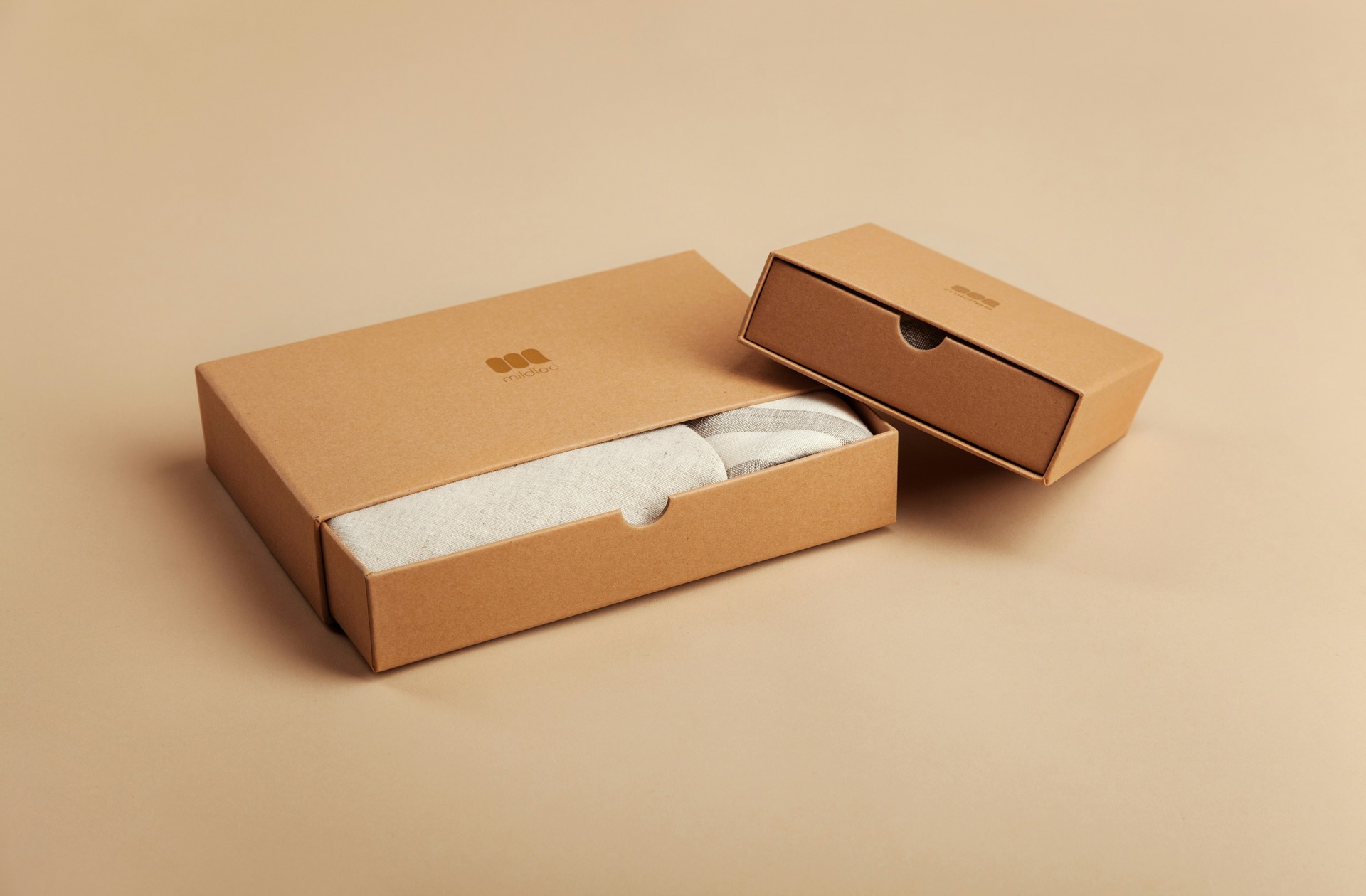
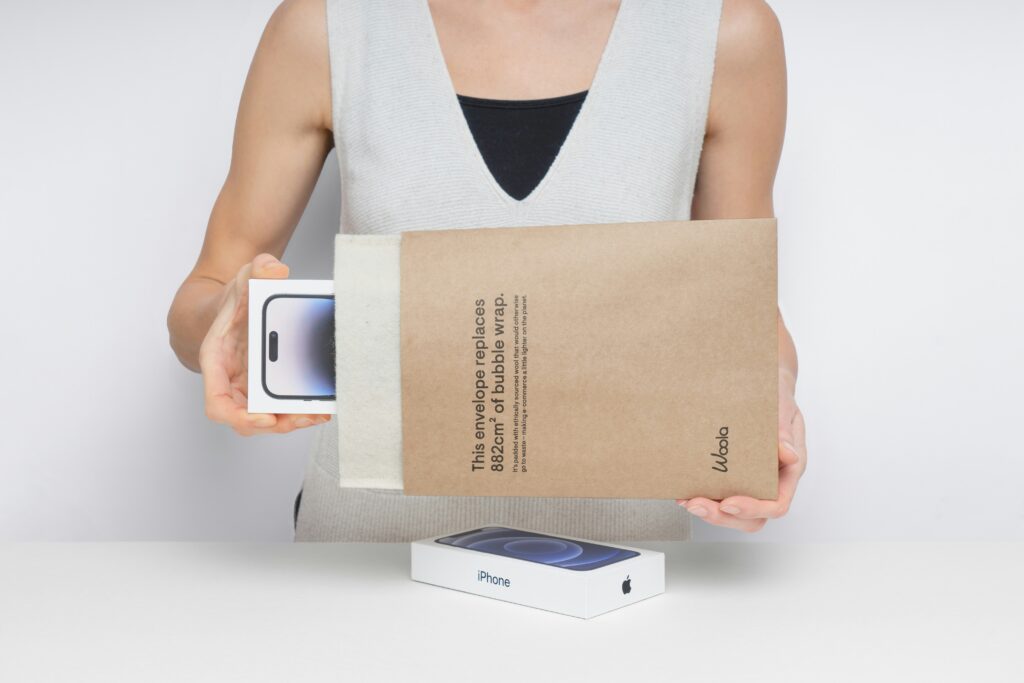
Circular packaging design turns materials, structure and minimalist aesthetics into visible signals of responsibility. Refillable systems and reusable containers foster ongoing customer relationships by encouraging repeat interaction rather than one-time disposal. Compostable mailers and recycled inputs further reinforce environmental commitments. In fact, some brands have adopted innovative solutions such as mycelium-based boxes that naturally break down in soil within 40 days.
Clear disposal instructions and measurable impact statements transform packaging into an educational tool rather than a silent wrapper. QR codes and digital storytelling elements then extend the narrative beyond the box, guiding customers to deeper insights about sourcing and sustainability goals. These touchpoints create moments of engagement long after the purchase is complete. Thoughtful execution strengthens environmental performance and brand equity.
Strategic Advantages for Small Businesses
Sustainability positioning allows brands to differentiate in crowded markets where products often appear interchangeable. Thoughtful circular strategies can elevate perceived value and support a premium brand image rooted in responsibility and innovation. Refill and return programs foster stronger community engagement by inviting customers to participate in shared environmental goals.
Over time, material efficiency and higher customer retention rates can generate meaningful cost savings. In eco-conscious markets, this combination creates a durable competitive advantage that extends beyond price. It also strengthens brand credibility among investors and retail buyers evaluating long-term resilience. As sustainability expectations rise, early adopters position themselves as category leaders.
Designing Circular Packaging With Story in Mind
Circular packaging design begins with clearly defined brand values and measurable sustainability goals that guide every decision. For example, The Coca-Cola Company aims to use 35% to 40% recycled material in its primary packaging, demonstrating how public targets can shape material strategy. From there, brands select materials that align with their mission and the product’s full life cycle, ensuring performance and responsibility work together.
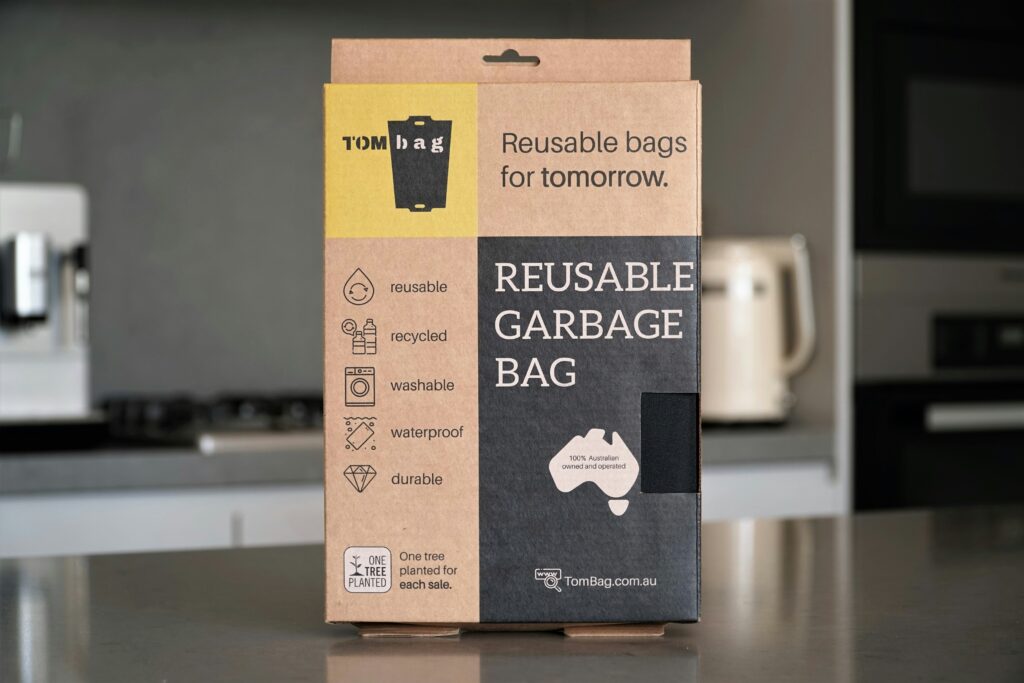
Concise, story-driven copy explains environmental impact and proper usage without overwhelming the customer. Intuitive visuals then communicate reuse, refill or recycling behaviors at a glance. Consistency across websites and physical packaging reinforces credibility and ensures the sustainability narrative remains cohesive at every touch point.
Practical Steps to Transition Toward Circular Packaging
Transitioning toward circular packaging requires strategic planning and cross-functional alignment. A phased, data-driven approach helps brands reduce risk while building long-term impact.
- Start with a packaging audit: Evaluate current materials, waste output, supplier practices and disposal outcomes to identify inefficiencies.
- Set measurable sustainability targets: Define clear goals for recycled content or waste reduction to guide decision-making.
- Engage responsible suppliers: Partner with manufacturers that offer certified recycled or refill-ready materials.
- Prototype and test solutions: Pilot refill systems or alternative materials before scaling.
- Educate customers clearly: Provide simple disposal instructions and explain the environmental impact directly on the packaging.
- Measure and refine continuously: Track performance metrics, gather feedback and adjust strategies to strengthen circular outcomes over time.
Common Challenges and Smart Solutions
Circular packaging design often presents operational challenges, yet strategic planning helps brands navigate them effectively. Managing higher up-front costs becomes more feasible through phased implementation, especially since upstream packaging solutions may require initial investments or container deposits that incentivize returns. Clear, direct instructions reduce customer confusion and encourage proper reuse or recycling behavior.
Strategic partnerships with suppliers and logistics providers help address supply chain complexity while maintaining efficiency. Backing sustainability claims with measurable data ensures credibility and protects brands from greenwashing risks. Transparent reporting further strengthens stakeholder confidence and reinforces accountability. Over time, disciplined execution transforms early obstacles into long-term operational advantages.
Measuring the Impact of Circular Packaging Initiatives
Data is critical in circular packaging design because measurable results transform sustainability claims into verified progress. Tracking key metrics such as recycled content percentage, packaging weight reduction, reuse rates and return participation provides clear visibility into performance and improvement areas. Life cycle assessments evaluate raw material sourcing and post-consumer recovery, offering a comprehensive view of impact.
Communicating these measurable outcomes to customers and stakeholders strengthens transparency and builds trust. When brands integrate impact reporting into their broader narrative, sustainability efforts evolve from marketing language into credible, story-driven proof of responsibility.
The Future of Circular Packaging and Brand Identity
Regulatory pressure continues to grow as governments introduce stricter waste reduction and extended producer responsibility requirements. At the same time, consumer scrutiny intensifies, with buyers demanding proof behind sustainability claims. Circular systems are quickly shifting from a competitive differentiator to a baseline expectation across industries.
Brands that integrate sustainability into their storytelling strengthen credibility and position themselves for long-term relevance in an evolving marketplace. Early adoption also allows organizations to refine systems before compliance deadlines tighten. In the long run, proactive adaptation builds resilience and safeguards brand equity against shifting market demands.
Designing for Purpose and Long-Term Impact
Circular packaging design blends operational responsibility with meaningful emotional brand impact. Small businesses and creative teams can leverage circular packaging design as a strategic storytelling asset that communicates purpose at every touch point. Thoughtful, intentional design decisions strengthen customer relationships while driving measurable environmental progress over time.


Leave a Comment