




Search engine optimization (SEO) impacts website visibility, brand awareness, competitive positioning, and lead generation. Although brands have always adapted to Google’s updates, it’s getting harder to keep up with best practices as voice search, artificial intelligence, and mobile optimization change the rules.
Understanding the balance between offensive and defensive SEO tactics is key for businesses that want to protect their existing rankings while pursuing new growth opportunities.
Understanding the Two Sides of SEO Strategy
While some marketers recommend only taking an offensive or defensive approach to SEO, the best strategies use a combination of both. Understanding how these approaches differ helps marketers build more resilient, effective campaigns.
What Is Offensive SEO?
Offensive SEO is the proactive, aggressive pursuit of growth. It involves targeting new keywords and reaching new audiences. Brands gain ground in search results through fresh content, link building, and competitive keyword targeting. These tactics help them capture visibility in emerging markets and trending topics before competitors can establish dominance.
What Is Defensive SEO?
Defensive SEO is the practice of protecting existing rankings and mitigating risks to ensure a website’s technical health and reputation remain secure. This approach focuses on maintaining rankings through careful monitoring and protection. Defensive strategies include monitoring algorithm updates, conducting technical audits, and cataloging brand mentions.
Why Should Businesses Use Both Strategies?
Thanks to mobile devices, AI, and voice search, the way people search is changing, yet not all businesses are adapting well. Google’s AI Overview can cause organic sessions to drop by 18% on average. While the best-performing website saw a triple-digit increase in traffic, others saw traffic decline by 95% overnight.
In the current digital environment, offense alone leads to vulnerability, while a purely defensive strategy results in stagnation. In practice, pursuing rankings aggressively without protecting them is counterproductive. However, protecting rankings that become irrelevant over time offers no long-term value. Brands must adapt to consistently succeed.
Despite shifts in search, SEO remains highly profitable. Businesses can make $7.48 for every $1 invested. With returns like these, the stakes are high. Rankings lost to competitors or algorithm updates can impact revenue. A purely offensive strategy is no longer enough to capture and maintain that return, supporting the case for a balanced approach.
Fortify Your Rankings with Defensive SEO
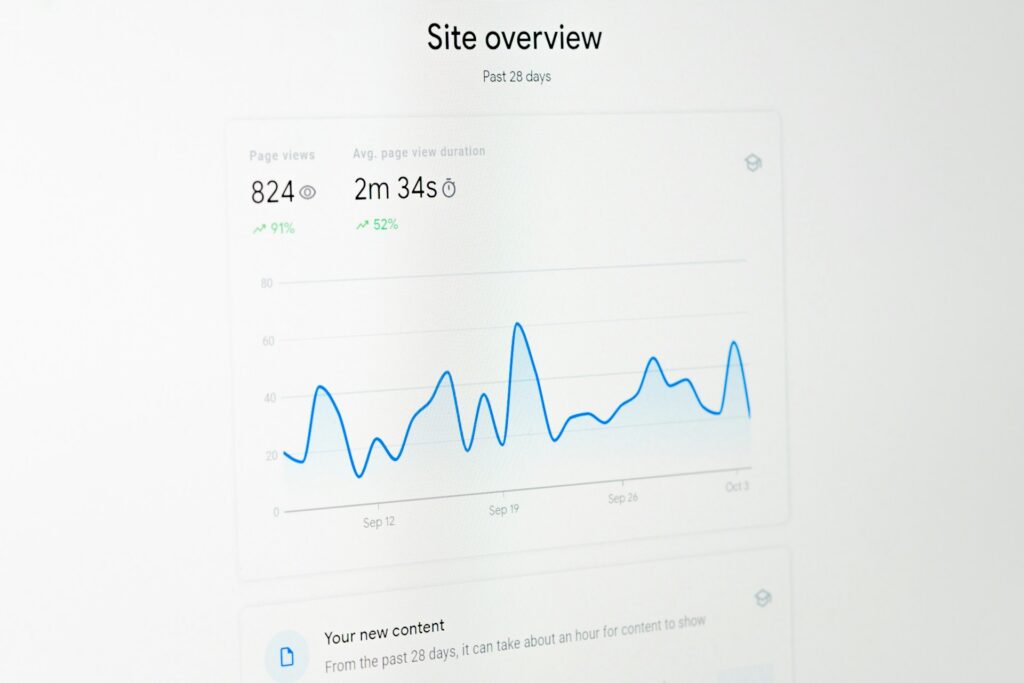
Before a business can grow, it must secure what it already has. Defensive SEO is the answer to declining traffic and abysmal click-through rates, especially amid change. The AI Overview can decrease the click-through rate by 60% to 70%, according to Kipp Bodnar, HubSpot’s chief marketing officer. This fact reinforces the need for defensive tactics that help brands maintain visibility as search behavior evolves.
Conduct Regular Technical Health Audits
Technical issues can undermine even the strongest content. Regularly checking for broken links, slow page speed, and crawl errors prevents websites from slipping down the search engine results page (SERP). Small technical problems compound over time, making routine audits essential for maintaining rankings.
Google Search Console and third-party tools can identify issues before they cause significant damage. Proactively addressing problems prevents the need for extensive recovery efforts later. Regular technical maintenance keeps websites competitive as search engines update their ranking criteria.
Protect Your Brand Narrative
Tracking brand mentions impacts credibility and Experience, Expertise, Authoritativeness, and Trustworthiness (E-E-A-T). Frequent placement on reputable sites signals trustworthiness to Google, which is vital for ranking. Even unlinked mentions are now recognized by algorithms as valuable signals of relevance.
Monitoring where and how a brand appears online helps businesses maintain control over their narrative. When negative mentions or misinformation appear, quick responses can mitigate reputational damage. Building relationships with authoritative sites in your industry creates opportunities for positive mentions that strengthen your digital presence.
Monitor Performance and Algorithm Changes
Monitoring keyword rankings and Google updates enables businesses to respond quickly to changes that may adversely affect their SERP position. Algorithm updates can shift rankings overnight. Brands that track performance metrics identify drops early and adjust strategies before losing significant traffic.
Setting up automated alerts for ranking changes and algorithm announcements helps teams stay informed. Understanding why rankings shifted allows for targeted responses rather than broad, ineffective adjustments. Ongoing monitoring minimizes the impact of unexpected changes.
Pursue Opportunities With Offensive SEO

Offensive SEO is a brand’s engine for growth. By leveraging these tactics, businesses gain new ground and build a stronger, more resilient presence that is harder to disrupt. These strategies complement defensive efforts by ensuring continued relevance and visibility.
Prioritize High-Impact Content Creation
Creating content that serves users’ needs and establishes a business as an authority naturally earns links and improves rankings. An aggressive content creation strategy involves high-volume production of high-quality, targeted material. Balancing quantity with quality maintains credibility while capturing multiple ranking opportunities.
Content should address specific pain points and questions your target audience has. Formats like comprehensive guides, original research, and case studies attract more links and engagement. Consistency matters as much as quality, as regular publishing signals to search engines that your site is an active, valuable resource.
Strategically Build Authority
Building a social media presence creates opportunities to connect social and SEO strategies. The average consumer has seven social media accounts, creating more opportunities than ever for businesses to reach their target audiences.
Social platforms are effectively search engines in their own right, featuring keyword search and algorithmic ranking. Social profiles and posts can also appear in Google search results, expanding brands’ search visibility. Engagement drives traffic and increases brand awareness. Strong social signals may even indirectly influence search rankings.
Conduct Advanced Keyword Research
Finding untapped keywords and content gaps competitors aren’t addressing creates new opportunities for visibility. Long-tail keywords may be particularly beneficial, as they are often overlooked despite their growing relevance in voice search and AI-driven queries. Specific, less competitive phrases deliver qualified traffic with lower investment.
Analyzing competitor strategies reveals opportunities they’ve missed. Search intent analysis helps identify what users actually want when they search for specific terms. This deeper understanding allows businesses to create content that better serves user needs and ranks more effectively.
When to Partner with a Professional SEO Agency
Rapidly producing high-quality content, conducting in-depth keyword research, and protecting existing rankings are time-consuming practices. Businesses need an in-depth knowledge of Google’s algorithm, AI search, and related technologies to execute both offensive and defensive strategies effectively.
Even if you have enough time, resources, and energy to pour into offensive and defensive SEO optimization, this isn’t a one-and-done process. Google updates its algorithm and adds new SERP features regularly, changing best practices each time. Keeping up with these shifts while running a business can stretch internal teams too thin.
SEO agencies employ experts whose sole job is to keep up to date with such changes. Whether you need help with content marketing, search visibility, or lead generation, SEO agencies like WebFX, SmartSites, and Higher Visibility can develop business-specific strategies tailored to your goals. These agencies have access to advanced tools and industry insights that may be cost-prohibitive for individual businesses to maintain.
If you’re unsure whether you need expert help, you can always try a do-it-yourself approach first. If you don’t see the results you want or realize you don’t have enough internal resources to maintain your rankings, you can reach out for help.
Building Complete SEO Strategies That Last
Offensive and defensive SEO are two parts of a single, powerful strategy for sustainable, long-term growth. Defensive tactics protect what businesses have earned, while offensive strategies push them forward into new markets and audiences. Together, they create resilience against algorithm changes, competitive pressure, and shifting search behaviors.


Leave a Comment