


In This Article
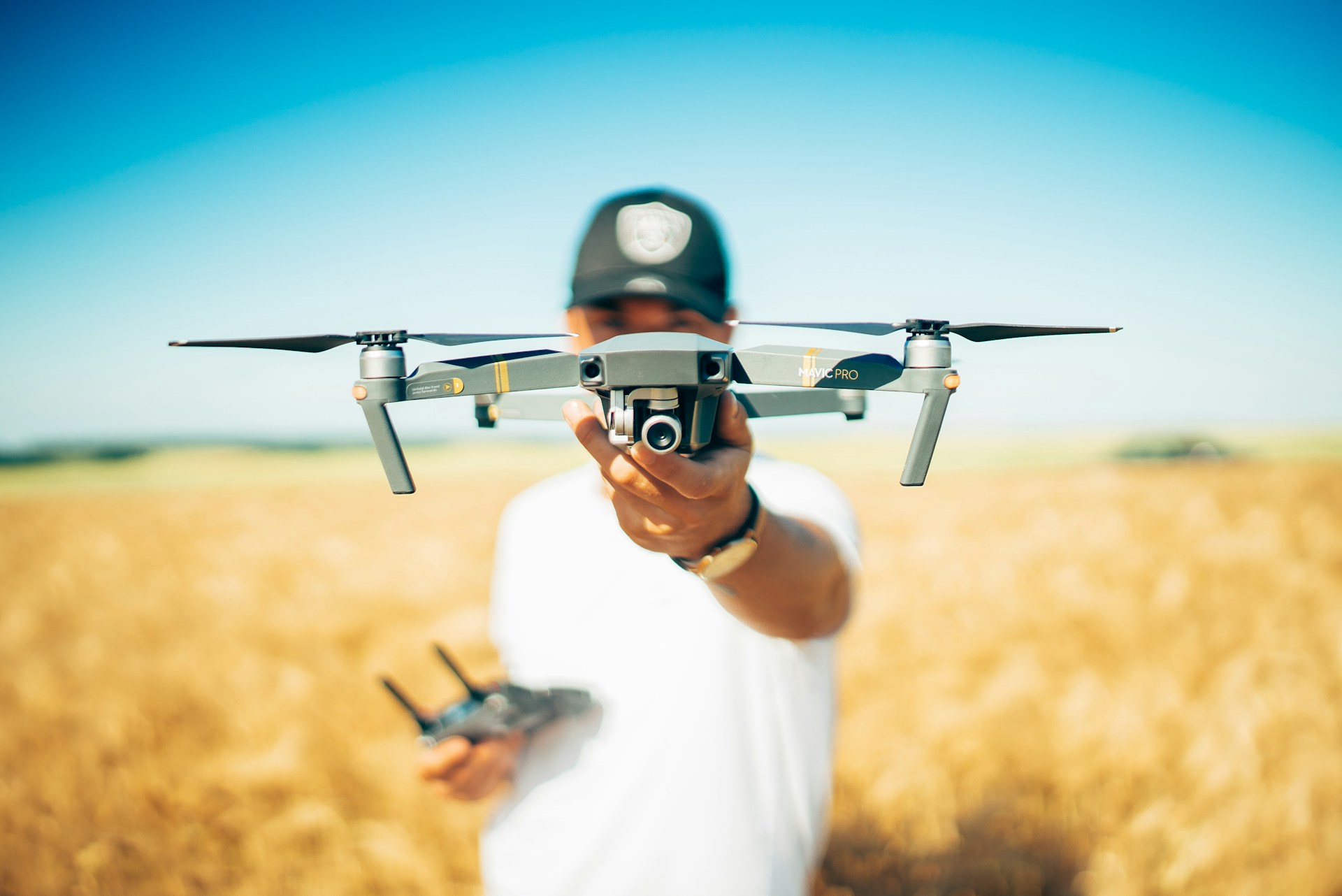
Drone photography allows photographers to look at old places in new ways․ A suburban neighborhood‚ busy construction site‚ lakeside venue or downtown storefront can look completely different from the sky․ A different perspective makes these aerial images valuable tools for clients‚ leading to scroll-stopping photos‚ marketing assets and compelling brand stories․
Aerial drone photography may be a practical option for existing photographers who want to offer aerial photography services for real estate listings‚ venue photography‚ tourism marketing‚ commercial photography‚ social media posts and small business websites․ But it takes more than buying a drone and flying it to build a business․ When you add in composition‚ safety‚ regulations‚ editing and marketing‚ the workload becomes considerable․
What Makes Drone Photography Different?
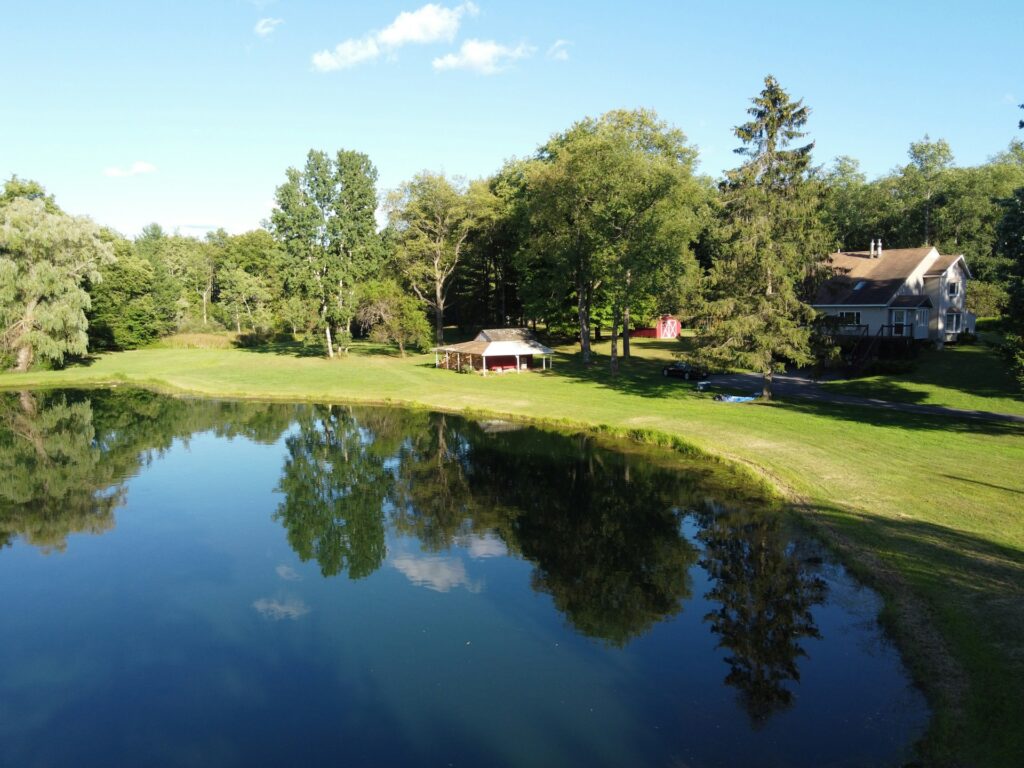
With other types of photography‚ you have to work with eye-level perspective․ Drone photography gives you height‚ movement and scale․ An aerial photograph can show building siting‚ relationship to nearby streets‚ or visual patterns across a landscape․ An aerial can illustrate the big picture because sometimes the whole story cannot be told from ground-level sightlines․
However, there are some legal considerations particular to aerial drone photography. In the United States‚ photographers who fly drones for work or business generally must operate under FAA Part 107 rules․ Commercial drone pilots are required to apply for a Remote Pilot Certificate and to pass the Unmanned Aircraft General Small UAG knowledge test․ Part 107 drone pilots must register their drones with the FAA․
Conducting client work changes the category of your flight․ Even if the project is seemingly simple work‚ such as a few images for a local realtor‚ getting paid for it or using it for business changes it to commercial use․ Think of certification as part of your professional foundation.
Drone photography requires checking airspace‚ the weather‚ battery‚ as well as the line of sight and potential take-off conditions․ Privacy‚ other people near you‚ trees‚ power lines and wind can affect your plans‚ and you will need to keep them in mind for drone photography sessions․
How Do You Choose the Right Drone?
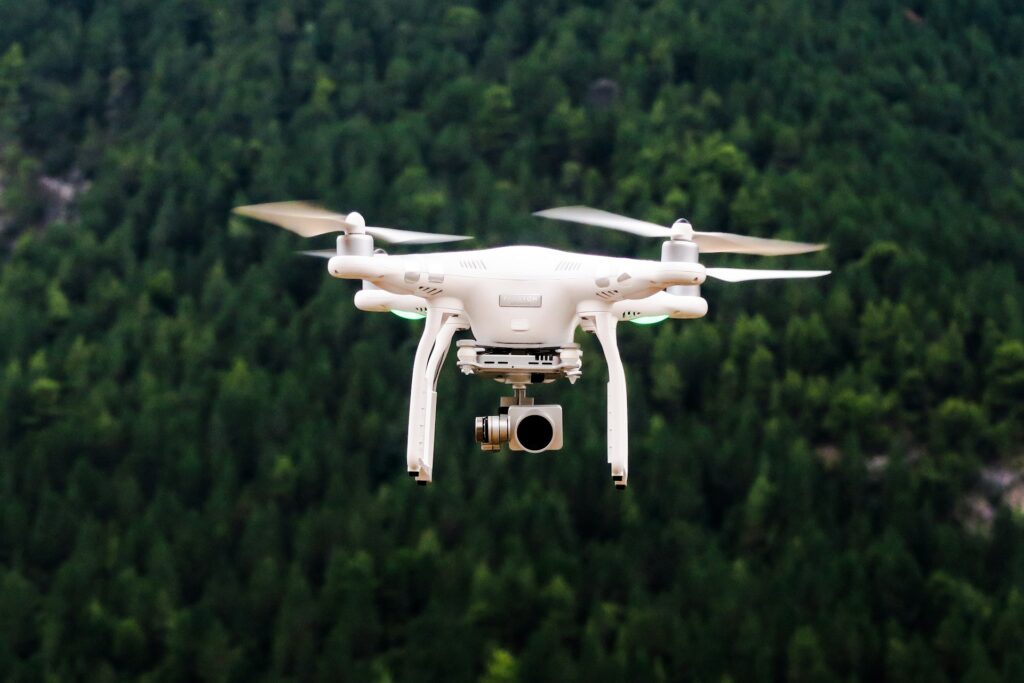
The best professional drone for you will depend on your target clients․ A commercial photographer may prefer a lightweight drone ‚ portable‚ takes good wide-angle shots and is quick to set up․ Someone shooting brand videos for a resort‚ or commercial spots‚ may care more about dynamic range‚ video resolution and fluid cinematic motion․
The drone should have a RAW format camera‚ stable stabilization‚ obstacle avoidance‚ good battery life and 4K video‚ at the minimum․ A larger sensor would be necessary for lower light environments․ You don’t have to buy the most expensive model on the shelf‚ but you do need to get one that produces deliverable files․
Accessories include extra batteries to prevent interruptions‚ neutral density filters to reduce the light level in bright weather‚ and high-speed memory cards to limit lag caused by writing speed․ Using a landing pad‚ protective case and checklist can make things feel much more professional when dealing with clients․
Think about what you’re likely to use the drone for. Real estate photographers need sharp stills and short videos. For wedding or event photographers, a small size, low weight and smooth panning are desirable. For commercial work‚ better video quality may be required․ Focus on matching the right tool to the right work‚ not the flashiest product launch․
What Skills Does a Drone Photographer Need?
Flying is only one aspect of aerial photography․ The best aerial photographers combine piloting skill with visual judgment‚ smooth control of the camera‚ a good eye for framing and knowledge of how silhouettes read from the air․
1. Fluidity
Fly in open spaces to understand how the drone behaves when rising‚ and when rotating‚ tilting and accelerating at different speeds․ The footage could seem cheap and handheld in abrupt changes and transitional shots‚ even when the area being filmed is beautiful․ Smoothness in movement gives your work a professional edge.
2. Aerial Composition
When viewed from above‚ landscapes flatten out․ Be sure to evaluate structural elements such as roads‚ fences‚ shorelines‚ shadows‚ rooflines and landscaping that create direction in the image․ Patterns can make something ordinary stand out‚ and scale can make an important location clear․
3. Editing Skills
Perfect refining skills, such as color correction‚ cropping‚ lens corrections and sharpening. You’ll also need to work with stabilization and find the right pace for the final product. Soft skills include‚ the selection of accompanying music and output settings for the platform․
4. Marketing
To sell customers on your new service, you need excellent marketing that starts with a gallery showcasing your best work. Your portfolio should contain more than just pretty pictures․ It should show the problems your drone photography solves․ A real estate example could show lot square footage and curb appeal․ A tourism example could show atmosphere and destination․ A construction sample can show development and context․
Finding Your Early Drone Photography Clients
Start with clients who already understand photography’s value‚ such as real estate agents‚ property managers‚ builders‚ wedding venues‚ tourism boards‚ farms‚ schools‚ small businesses and local governments․
Start doing sample projects in your niche. Take photos of a local park‚ a block of buildings in your downtown area‚ a commercial building‚ an open field or a neighborhood entrance. For example‚ a page for a real estate listing might include photos of the exterior‚ context of surroundings‚ view of the driveway and nearby amenities․ A page for a business brand could include photos of storefronts‚ parking and a neighborhood․Taking images to share can attract similar clients.
Cold outreach also works best if you personalize it and tell the potential client how aerial photography would be helpful to their business‚ instead of just saying, “I do drone photography․” Event booking may require better images from the venue․ A contractor may require status updates․ A realtor may need a stronger way to market acreage or luxury listings․ Find the problem your audience faces and solve it.
What Drone Photography Mistakes Should I Avoid?
The first mistake is to not know the rules before you start flying․ The FAA requires drone pilots to know where they can and cannot fly․ Airspace‚ airports‚ people‚ vehicles and visibility can restrict where you can fly․
The second point to understand is that just because you are taking a photo from up high‚ doesn’t mean it is interesting․ Many times‚ a low perspective with a better angle‚ a cleaner line and a stronger light yield a better photograph․
Overediting can also create issues. High saturation‚ high crunchy contrast and impossible skies all look spectacular for a second‚ but then beg the question of whether it is real․ Real estate‚ architecture and commercial customers tend to want realism․
Pricing can be another pitfall. New photographers frequently err on the low side‚ which seems logical․ Drone work is about planning‚ travel‚ setting up‚ flying the drone‚ editing‚ insurance and regulation knowledge․ Charge for the whole service‚ not the minutes spent in the air․
Finally‚ don’t skip contracts․ Have a simple contract that outlines deliverables‚ usage rights‚ turnaround time‚ weather rescheduling and payment terms․ A drone shoot is weather-permitting‚ so if wind‚ rain‚ or airspace restrictions prevent you from flying‚ let your client know your plan․
How Much Value Can Drone Photography Add to Your Business?
Drone photography can become an additional income stream for a photographer’s business‚ but varies due to location‚ niche‚ skill level and clientele․ Instead‚ it is safer to think in terms of service expansion․
Employment competition in photography is high․ According to the U․S․ Bureau of Labor Statistics‚ photographers earned an average of $20․44/hour in May 2024․ Employment is projected to grow at 2 percent from 2024 to 2034․ The BLS estimated that approximately 12700 opportunities for photographers would arise each year during the 2010s‚ a majority of which would be due to replacement․
In a competitive market‚ having drone photography sets your business apart․ Rather than being another business offering portrait sessions‚ product photography or event coverage‚ you can offer something unique that complements your business․
Bundled packages often work well. For instance, a real estate package with interior and exterior photos‚ aerial shots and a brief listing video or a venue package with web shots‚ social snapshots and seasonal aerial updates․ For small business packages‚ images might include storefronts‚ context shots of the area and branded video cuttings․
Eventually, your focus will switch from one-off shoots to repeat business‚ documenting construction progress‚ seasonal tourism campaigns or working with agencies and real estate companies to market properties․
How Can You Scale Drone Photography?
Make process the first step to scale․ Create preflight checklists‚ email templates‚ pricing sheets and editing presets․ The more repeatable your workflow is‚ the easier it is to serve clients without reinventing your process each week․
You can also do partnerships․ Real estate agents‚ marketing companies and agencies‚ website designers‚ builders and event venues tend to need continuing photo and video work regularly․ It’s easy to refer clients to a drone photographer who communicates‚ delivers on time and understands their needs․
Once demand builds‚ outsource the editing or work with other licensed drone pilots to scale your workload without affecting quality․ Educate other editors about brand standards so the content they create for you is on-brand․
Your site should grow with you‚ too․ Create dedicated pages for your niches‚ show examples and describe what’s included in each package․ You shouldn’t leave your clients to decode your work like a treasure map․ Write clearly․
Let Your Photography Business Take Off
In 2026‚ the use of drone photography can help creative businesses achieve better results thanks to its ability to give a sense of scale‚ place and movement that 2D images taken from the ground cannot achieve‚ which translates to better listings‚ campaigns‚ in-depth websites and social media․
Get certified‚ practice in a safe space‚ build a niche‚ and create a service that meets your clients’ needs․ With the right visuals and a good strategy‚ drone photography can be a no-brainer upgrade that really helps your creative business be seen more clearly․
Leave a Comment