




Most websites still live on a screen, but that is beginning to change. With embedded microcontrollers, you can connect digital experiences to real-world interactions, turning passive browsing into a more interactive experience. These tiny devices provide a link between what people see online and what they can touch. When used well, they make more engaging web experiences that seem less remote and more real.
The Tangible Benefits For Businesses
Introducing physical interaction into digital spaces may seem like an innovative move, but it can also directly affect how customers experience a business. The more individuals can get their hands on something, the more likely they are to remain, remember and build relationships. Over time, that transition can translate into tangible commercial value.
Enhanced User Engagement
When consumers can do more than click and browse, the experience becomes more immersive. The physical inputs of a web experience give a feeling of engagement that is hard to match with static content alone. The truth is, interactive elements have been proven to increase dwell periods by up to 3.02 times, providing users additional reasons to remain and engage with your business.
Brand Differentiation
Most sites still use the same patterns, making it difficult to stand out. There’s an instant novelty factor to adding microcontroller-powered interactions that sets your brand apart. It says innovation without saying it, helping you develop a digital presence that feels fresh and deliberate rather than predictable.
Data-Driven Insights
Sensors enable embedded microcontrollers to collect data from the real world, giving you new insights into how consumers experience your site. This data can be used to update information on the fly or to tailor the user’s view. You get to see behavior that demonstrates real engagement, not just clicks and page views.
Bridging the Physical-Digital Gap
Technology can add greater tangibility to online encounters for companies selling physical products. Interactive demos can respond to real-world interactions, helping users better understand how something works before they purchase it. It helps bridge the gap between surfing and experiencing, making your website feel less like a screen and more like an extension of the product itself.
The Software and Hardware Essentials When Using Embedded Controllers
Getting started with embedded microcontroller-driven web experiences may sound technical at first, but the basics are more approachable than many would expect. Once you understand the core pieces — hardware and software — you can begin building simple interactions that connect the physical and digital worlds.
Hardware Essentials
A microcontroller is a small computer that can read inputs from the physical world and respond to those inputs. It can take input from a sensor, process it and trigger an action, such as turning an LED on or transmitting data to a web interface.
The STM32 microcontroller is a good choice if you want to do something more complex or performance-driven. With this, the device offers high processing power up to 480 MHz, low power consumption, and a broad range of communication options, making it suitable for real-time interactions. That means better data handling and faster response when consumers interact with physical bits — for web-connected experiences.
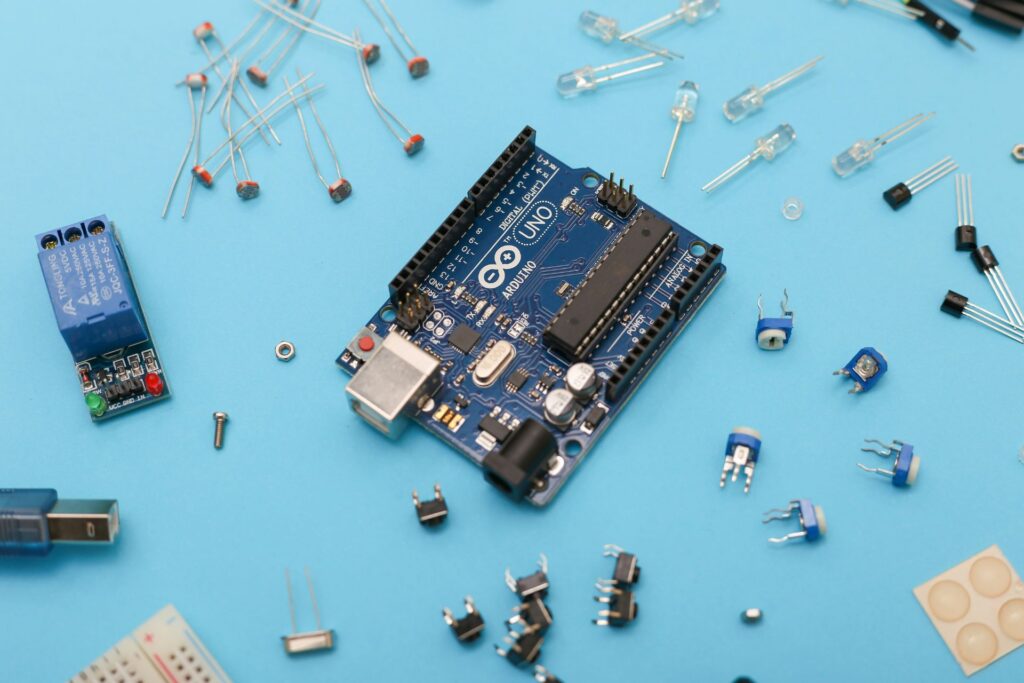
If you are just starting out, platforms like Arduino or ESP32 are often easier to work with. They come with many built-in tutorials and facilitate wireless connection. These solutions are great for prototyping and experimenting before heading into more advanced setups.
Software and Web Technologies
Firmware is the code that runs directly on the embedded microcontroller. It guides the device on how to read inputs, process data, and interact with other systems. Languages such as C++ and MicroPython are both well-supported and well-documented for novice and professional developers alike.
On the web side, technologies such as JavaScript and WebSockets enable your microcontroller to connect to a browser in real time. This allows for data to be sent back and forth in real time, so when a user interacts with a physical component, the website may respond quickly. This makes the experience more fluid and engaging, feeling more like real-time than static.
A Step-by-Step Guide to Your First Project
Once you understand the basics, the next step is putting everything together into a simple project. You do not need anything overly complex to get started. The goal is to build something small that helps you see how the physical and digital pieces connect.
Step 1: Conceptualize Your Interactive Experience
Start by deciding what you want to create. It can be as simple as adjusting a physical element with a slider. Keeping the idea small makes it easier to focus on how the interaction works rather than getting stuck on complexity.
Step 2: Program Your Microcontroller
Next, you will load code onto your microcontroller so it knows how to respond to inputs. This usually involves writing firmware that listens for signals, processes them and triggers an action. At this stage, you’re setting up the logic that connects your hardware to outside commands.
Step 3: Build the Web Interface
On the front end, you will create a simple interface that users can interact with. Buttons, sliders or toggles are enough to start. These elements send commands from the browser to your microcontroller, acting as the control layer for your project.
Step 4: Establish Communication
Now you need a way for your website and microcontroller to talk to each other. This often happens over Wi-Fi or through a server using real-time communication tools. Once connected, actions on the website can trigger immediate responses in the physical world.
Step 5: Test and Deploy
Finally, test the entire system to make sure everything works smoothly. Check that inputs are responsive and that communication is working properly. Once it’s stable, you can deploy your project and start refining the experience based on how it performs.
While the potential is exciting, there are a few factors to think through before diving in. Building connected, interactive experiences takes some planning, especially when you are working across hardware and web environments.
Hardware and Integration
Working with embedded microcontrollers introduces a learning curve, especially if you are new to hardware. You will need to understand how different components connect and communicate, which can take time to get right. Integrating that setup with a web interface adds another layer, so it is important to start small and build up your confidence as you go.
Security
Whenever you connect a physical device to the web, security becomes a concern. Data moving between your microcontroller and your website should be protected to prevent unauthorized access or interference. Even for simple projects, it is worth implementing basic safeguards to ensure your system remains reliable and secure.
Cost and Scalability
Costs can add up depending on the hardware you choose and the complexity of your project. While small prototypes are usually affordable, scaling that same idea across multiple devices or users requires more planning. Thinking ahead about how your project might grow can help you avoid costly adjustments later.
The Future of Interactive Web Experiences

The trend toward more immersive, responsive digital experiences is not slowing down. As people become more comfortable with technology, expectations for what a website can accomplish are beginning to shift. The experiment is quickly becoming part of the broader design world.
Eye-tracking and other technologies are indicating where this is going. The market was valued at $638 million in 2021 and is anticipated to reach $8.6 billion by 2030, underscoring a strong demand for more intuitive and responsive modes of contact. As these technologies become more common, the distinction between physical input and digital response will increasingly blur.
This allows designers and developers to reimagine how people interact with the web. Instead of being an afterthought, interaction becomes an integral part of the experience — something that can influence how people relate to a product, a brand or even an idea.
Rethinking What a Website Can Be
The interplay between embedded microcontrollers and web design creates opportunities to design experiences that are more interactive and interconnected. It is a learning process, but starting small will help you create something valuable without being overwhelmed. With these technologies constantly evolving, even small projects may make your work stand out and create a lasting impression.


Leave a Comment